Blog

  • Artificial Intelligence and Machine Learning: Revolutionizing Modern Technology

    Artificial Intelligence and Machine Learning: Revolutionizing Modern Technology

    Introduction

    What is Artificial Intelligence and Machine Learning?

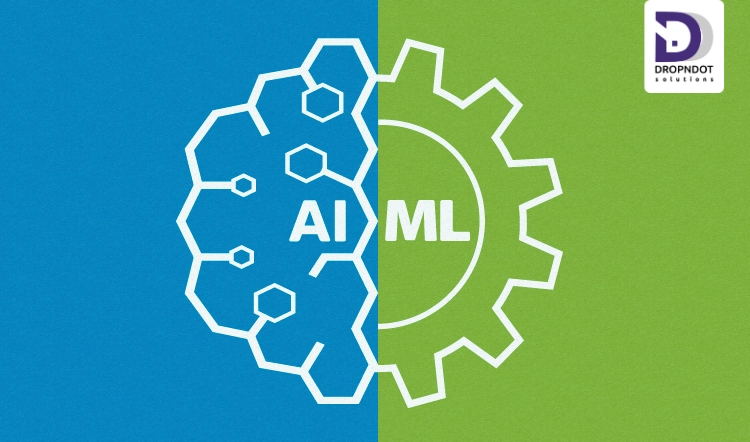
    Nowadays, two fields Artificial Intelligence and Machine Learning are adjacent but very different from each other, conforming to modern tech. AI refers to the broader idea of machines performing tasks in a manner that we would deem “intelligent”. AI Vs ML Let us tell you that AI is the broader concept, and has more general terminology. In contrast, machine learning (ML) is one aspect or subset that falls closer to the category specializing in creating algorithms so that systems can learn from said data asynchronously. The origins of AI stretch back to the 20th century when greats such as Alan Turing and John McCarthy started work on the technology that will grow to shape our world today.

    The Present Impact of AI and ML on Technology

    Artificial Intelligence and Machine Learning essentially are overused buzzwords but in reality, these are key technologies transforming the modern technology landscape. Across industries, from healthcare and finance to retail and manufacturing — organizations are using data-driven decision-making & machine learning for the accelerative level of innovation. For healthcare, Artificial Intelligence and Machine Learning have allowed for precision diagnostics as well as personalized treatment plans whereas in finance it has permitted fraud detection to be improved alongside systematic trading strategies. This article is written with the sole intention of explaining how AI & ML are disrupting these industries and more, and in doing so transforming our relationship with technology by setting a course towards creating an era where everything we use becomes intelligent. 

    The Foundations of AI and ML
    the foundations of ai and mlo

    The Foundation Of AI

    Several key concepts at the heart of Artificial Intelligence and Machine Learning will provide some foundational knowledge to intelligent systems. Concepts like machine perception are where machines can understand their world by taking data such as images and sounds, which manifest in technologies including computer vision or speech recognition. In the case of reinforcement learning in both AI and machine or traditional models, the reasoning is basically to derive the logical inference based on the right principle while learning refers to the ability to improve by experience. One key ingredient from the software development side is natural language processing (NLP), which provides machines with human-like understanding and generation of text. 

    These are achieved using different AI implementations and models like Expert Systems to duplicate the way human decisions can be taken for specific regions, Neural Networks that imitate how brain structure is used in information processing, and Deep Learning Models that have multiple neural network layers with the ability to learn complex data. These elements in concert serve as the infrastructure for AI itself allowing this technology to reinvent modern tech.

    The Brain Behind AI: Machine Learning

    Artificial Intelligence and Machine Learning ML would be at the root of the AI ladder. Essentially, we (developers) create algorithms such that systems can learn and get better over time from the data they observe. This is primarily what powers Machine Learning! Those algorithms fall into Supervised Learning where the model is trained on labeled data, Unsupervised learning which looks for patterns in unlabelled data, and Reinforcement Learning where an agent learns to make decisions interacting with the environment trying to maximize rewards. 

    At this juncture, the role of big data and data science becomes integral to churning out ML-relevant features based on Big Data since enormous volumes of digital age data are at disposal as raw material from which training may be carried ahead using one or more ML models. Using this data as a basis and drawing predictive inferences on it, AI systems can handle more complex tasks like image recognition, language translation, and getting insights from large pools of historical information with an efficiency that improves over time.

    AI and ML Synergy

    How the symbiosis of AI and ML is revolutionizing smart technologies today Machine Learning; a key enabler of AI, where all Artificial Intelligence systems learn from experience to improve their performance without explicit programming. Substantial ML algorithms are the basis of AI technologies like rideshare apps, and self-driving cars that can detect a massive amount of sensor data and make immediate driving decisions. Similarly, machine learning models drive AI applications like chatbots and virtual assistants in Natural Language Processing, enabling the application to understand human queries better. This creates a co-evolution of AI capabilities that not only makes stronger offerings but faster iteration, resulting in major transformations across all forms of technology we use now from personalization for e-commerce to sophisticated medical diagnosis.

    AI and ML in Transforming Key Technological Fields

    Software Development and IT Operations (DevOps)

    Artificial Intelligence and Machine Learning are changing the way software development operations are monitored through intelligent automation. It also enjoys the other side of DevOps and faces no issues in automating processes including code generation, testing as well deployment ensuring more efficient cycles for development. AI-powered tools write code and test them with little human intervention. On the other hand Machine Learning is an elemental piece of predictive analytics for IT operations or AIOps. ML models can predict system failures, allocate resources more efficiently, and otherwise optimize the most out of your IT infrastructures far better than humans.

    Cybersecurity

    Artificial Intelligence and Machine Learning are essential components in the cybersecurity landscape to detect threats and respond more quickly as well. AI-powered security systems examine the traffic that is entering and leaving a network to spot irregularities, this way potential threats in real-time can be identified which helps organizations reduce cyber incident response times greatly. These models continually learn from new data, which allows more recent threats to be accounted for and ensures that the detected results improve in accuracy over time. That ability to change is key; the security challenges that companies of all sizes face are evolving too quickly for traditional protocols and approaches. AI and ML in cyber defense create a stronger system incorporating prediction, detection, and mitigation of threats before the occurrence of harm.

    Autonomous Systems and Robotics

    Autonomous systems and robotics continue to advance thanks largely in part to Artificial Intelligence and Machine Learning, such as autonomous vehicles, drones, and industrial robots. AI allows these systems to analyze and act upon environmental data— such as its ability to drive through a city— without human intervention. A significant way of enhancing accuracy and efficiency is machine learning in general, and more so by these autonomous machines. For instance, you use ML models to understand sensor data when using autonomous vehicles and leverage the model to recognize objects quickly for making driving decisions. In robots, ML empowers the mechanic processes leading to performing a wide range of tasks with better and improved accuracy. These new data-driven, real-time decision-making, and automation advances not only improve what autonomous systems and robotics are capable of but also change many industries as well as everyday life.

    Data Analytics and Business Intelligence

    Artificial Intelligence and Machine Learning have radically changed data analytics in BI with an ever-increasing necessity, especially when it comes to the analysis of big data also assisting real-time decision-making. These tools can find patterns and insights hidden in mountains of data that are simply impossible to reveal for humans. For businesses that want to respond in a data-informed, real-time way — the ability to aggregate millions of individual decisions is gold. Machine Learning models take this up a notch giving organizations the power of predictive analytics, helping them predict trends, detect opportunities, and manage risks. From supply chains to customer experiences and financial forecasting; AI is changing how organizations use data to get ahead.

    Revolutionizing Consumer Technologies
    revolutionizing consumer technologies

    Home Automation and Personal Assistants

    The core of the smart home technologies and personal assistants revolution are Artificial Intelligence and Machine Learning which change how consumers interact with their environments. AI and ML are used in voice-activated assistants such as Alexa, Siri, or Google Assistant to make it possible for our devices to make it easier for us: Simply demanding what we want and holding a natural conversation language. Over time, these assistants enhance their predictive capabilities by learning from user interactions and as a result can recommend better suggestions or execute commands more accurately. Moreover, AI & ML capabilities are expected to work in the direction of intelligent home automation systems that flow lighting temperature security entertainment features, providing personalized and responsive living spaces, making lives a whole lot more comfortable and effective.

    Personalized User Experiences

    We can observe the power of Personalized User Experiences with Artificial Intelligence and Machine Learning across consumer technologies such as apps (with recommendations), e-commerce platforms, content streaming services, etc. With AI, it uses algorithms that are driven by personalization to check user behavior, preferences, and interactions between them to provide personalized content, product recommendations, etc For example, in e-commerce ML models keep an eye on patterns of browsing and shopping to make product recommendations based on individual tastes which help increase user satisfaction as well as increased sales. In the same way, modern streaming services use AI for better content curation — be it in movies or music; each user gets a recommendation based on his historic movie view/listen. This unique degree of personalization became a common practice in modern consumer technology, offering better and more user-friendly experiences.

    VR (Virtual Reality) and AR (Augmented Reality)

    They are also transforming Virtual Reality(VR) and Augmented Reality(AR), making them more life-like in terms of experiences these technologies provide with the help of Artificial Intelligence(AI). Using AI to create artificially generated but very believable virtual environments and characters is expected to make the experience of users more immersive or engaging. This makes machine learning able to access user behavior and responses in these environments, it can respond effectively by making dynamic changes that would have users immersed. In VR gaming, AI can change the game environment according to player choices, or in AR it may use ML algorithms that improve how accurately and quickly digital information is placed on top of a real-world stop. The possibilities in VR and AR are enormous thanks to these developments, which are reflected not just in VR gaming but also in entertainment, and education — the list goes on.

    AI and ML in Business and Industry

    Revolutionizing the Healthcare Industry

    The application of Artificial Intelligence and Machine Learning techniques is radically transforming the healthcare sector enabling major improvements in diagnostics, treatment planning as well as patient management. These systems are designed for medical image analysis, anomaly detection in images, etc, and can detect anomalies with much higher accuracy than traditional methods. In treatment planning, AI assists clinicians in creating individualized care plans as it analyses extensive patient data and ML models that forecast the results for patients along with recommending the best-suited kind of treatments. Personalized medicine is being fostered by ML, which tailors treatments to the genomics of individual patients for better outcomes. ML-based predictive healthcare allows for the early detection of diseases, before they occur and helps in managing chronic conditions by predicting deteriorating patient states.

    Transforming Financial Services

    Artificial Intelligence and Machine Learning are revolutionizing services in the financial sector, boosting fraud detection tools (which previously left several cracks to be exploited) and automating trading with robotic advisors while increasing customer service exponentially. Using artificial intelligence, these systems can keep track of a large amount of information coming in from different transactions and instantly detect patterns that human eyes may miss. Enter AI-driven algorithms that trade faster than human traders, which aim to get the best performance from an investment and in combination provide better returns. ML models are also vital in risk evaluation and monetary forecasting to maintain the finances & make details assumptions. What is more, with technology advancements powered by ML (Machine Learning), robo-advisors are democratizing investment management that provides tailored financial advice to everybody and not allowing refined levels of personal finance just for a select few.

    Redefining Manufacturing

    Automation and process optimization in manufacturing is redefined by Artificial Intelligence and Machine Learning. On assembly lines, AI-driven robotics take over increasing chunks of the work — smoothly and beautifully because robots don’t have bad days when they’re on a production line. Not only Automation, ML also helps in predictive maintenance which reads machinery data and predicts failures before they occur hence reducing downtime & saving huge on maintenance costs. ML is also leveraged in supply chain optimization, where it allows manufacturers to size up demand and manage inventory as well as logistics for the most efficient product availability path from production until delivery.

    Retail and E-commerce

    Artificial Intelligence and Machine Learning have been revolutionizing the retail and e-commerce markets, by significantly improving customer experience as well as streamlining operations across every level. By analyzing the behaviors and preferences of your customers, AI systems deliver personalized product recommendations that turn more visitors into satisfied buyers in style. Personalized marketing: ML models are used to identify which customers should receive specific offers at the right time, enhancing the overall efficiency of a marketing campaign. In inventory management, ML plays a pivotal role by predicting demands and determining the right stock level to keep products available for its customers at their timing needs along with wasting less of an excess in stocks and thereby costs.

    Emerging Trends in AI and ML

    Explainable AI (XAI)

    Explainability and Interpretability have since surfaced as two of the major issues in AI decision-making with Artificial Intelligence and Machine Learning becoming essential to decision-making processes across all disciplines. Typical AI models specifically deep learning systems, act as a “black box” — while they can make decisions it is quite difficult to verify. The lack of transparency is a problem, especially in high-assurance areas such as health care or finance and law where the rationale for AI-based decisions must be understood. The promise of XAI — it could develop AI systems that can provide understandable explanations to their reasoning and decision-making. Recent developments in XAI range from techniques for explaining decision paths, simplifying intricate models, or developing algorithms that describe their reasoning using a human-understandable vocabulary.

    AI in Edge Computing

    With edge computing increasingly paired with Artificial Intelligence and Machine Learning, more processing work is done closer to the source, not in centralized cloud servers. This move is fuelled by the increased importance of performing real-time processing and decision-making in autonomous vehicles, smart cities, and IoT devices. Edge-based AI and ML (augmented) by the unprecedented processing power available today at edge, allows systems to analyze data locally — in near-real-time reducing latency while making decisions helping in absolute efficiency. For example, on autonomous vehicles AI at the edge enables immediate processing of sensor data which means fast decision-making for navigation and security. The same goes for real-time monitoring and managing urban infrastructures in smart cities with edge AI/ML computing.

    AI Ethics and Governance

    Artificial Intelligence and Machine Learning Literature have identified the significance of various ethical concerns arising as a result of advancements in technologies to ensure responsible use. Concerns regarding AI include bias in algorithms, data privacy, and the abuse of (potentially harmful) technologies leading to active global competition about them: most notably about the ethics and governance of AI. AI decision-making being hidden behind a mechanical wall, job displacement of autonomous control systems and the liability of how killer robots may target any human by mistake donate to this already elaborate ethical tapestry. Organizations are working on developing principles, frameworks, and regulations encouraging responsible AI development and deployment to counter this.

    Challenges and Opportunities

    The Technology and Infrastructure Constraints

    Even though Artificial Intelligence and Machine Learning have been revolutionizing modern society, these still suffer from significant technological and infrastructural glitches. AI/ML limitations: The ability of AI and ML to successfully process information, understand unstructured data, train deep learning models, or the energy consumption derived from performing large-scale computations are other problems. Furthermore, the efficacy of AI and ML are highly sensitive to data quality (that is to say – garbage in equals a heaping mound of well-enriched manure out) as well as vast computational environments driven by GPUs or even more specialized hardware like TPUs. As a consequence, the data needs to be managed efficiently and AI systems must scale effectively this is an ongoing challenge that calls for new thinking about how we handle storage management and processing infrastructure of big scalable species.

    Closing Skills Gaps and Workforce Readiness

    The quick increase in usage of Artificial Intelligence and Machine Learning has resulted in a huge demand for professionals who are experts at developing, implementing & managing these systems. Unfortunately, a skills gap still exists in the workforce where key industries are finding it increasingly difficult to hire individuals with expertise working on AI and ML. To combat the problem, educational initiatives and training programs are under development to provide workers of tomorrow with essential skills. Whilst universities are adding AI and ML-focused specialized courses into their curricula, other online platforms also provide certifications along with boot camps in the same domain. These internal training programs are also being used to increase the skills of current employees.

    Built for Innovation in the Future

    Whilst challenging, Artificial Intelligence and Machine Learning offer immense opportunities for future advancements that can make a difference in many unexplored areas. First-generation AI (it has been around since the 1950s), centered on machine learning while holding high promise in industries as diverse as health care — for more accurate diagnostics and personalized treatments or breakthrough drug discovery. For environmental science, AI solutions could be beneficial in tackling world problems like climate change by predicting natural calamities and restoring energy by controlling physical resources. Moreover, AI and ML have the potential to stimulate deeper innovation in everything from education to transportation and smart cities — all with creative solutions that elevate quality of life while addressing dire social concerns. With the progress of research and development AI and ML, both can prove to be dominant factors in solving global challenges.

    There is no disputing that Artificial Intelligence and Machine Learning have, quite literally, transformed technology as we know it — changing the face of nearly every sector from healthcare to finance; manufacturing to consumer tech. These are not only changing how we live in the world but also making a path for future technologies that could help deal with some of society’s most urgent problems. The potential of AI and ML must be appreciated, research into their use has to continue as they evolve at an exponential rate. The various possibilities and opportunities that AI & ML are going to open up in the future will be enormous, where being aware or keeping an eye on all this stuff which coming new day by day is gonna play might needed role in achieving those great places.


  • Why Lawyers should care about SEO

    Why Lawyers should care about SEO

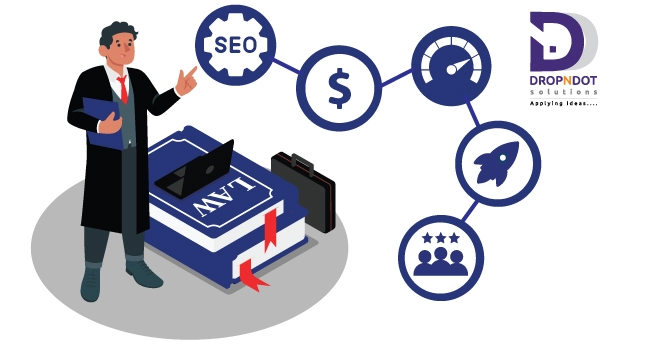
    A law firm website is like the proverbial billboard in today’s connected world. Although having the site set up is noble, it is not just enough. You are doing your business a great disservice if when a client is searching for the best lawyer near me, your firm is not listed. In this case, Search Engine Optimization or SEO is useful. In the same way, when you are a lawyer, it is life-changing to find the best SEO firm.

    Explaining What SEO Is, and Why Law Firms Need It

    Now let us talk on why SEO service is vital for lawyers before we talk on how to find the most appropriate SEO service provider. SEO assists law firms in making it high on the list of search engine results. Suppose, a potential client is searching for the terms such as “divorce lawyer in [your city].” So, if you’re on page one of Google, of course, there’s a much greater chance that they will click on your site than some random law firm on page three.

    But here’s the catch: SEO is not a task done by going through the site and adding some words irrespective of where they are required in the website. It is still an unfolding science particularly if one is contemplating the subject from a law firm perspective. In Google’s world, algorithm changes are quite common, and legal, everything is rather cut-throat on the Internet. This is why it is important to have people with proper legal niche knowledge in handling your SEO needs.

    Key Benefits of SEO for Law Firms

    key benefits of seo for law firms 1

    1. More Traffic, More Clients

    The main purpose of SEO is to bring free web traffic and potential clients to the website of a law firm. The frequent visitors of the site will likely click the button and set for a consultation. But this traffic is not just a bunch of people walking past—it is prospects looking for the legal services you provide.

    2. Increased Visibility

    To some extent, SEO puts your website in the limelight. It’s like relocating your law firm from a dark, hidden area of the city to a central business district. When people are unable to find you, they can’t choose you!

    3. Trust and Credibility

    People believe what they read and search for it, especially by using a search engine, such as Google. If your site is listing high, most of the time prospective clients will be assured with your law firm.

    4. Cost-effective Marketing

    In contrast to paid ads where finances can be depleted rapidly, SEO is cost-effective since it is a long-term undertaking. It is also a bet on the potential further development of the company that is your law firm.

    Challenges of SEO for Lawyers

    The legal profession like any other profession has its challenges as far as SEO is concerned. For instance:

    • Highly Competitive Niche: Pretty much all the law firms out there are after the same keywords. It is sometimes very ‘risky’ to compete with some of the big firms out there.
    • Strict Advertising Guidelines: As with most other companies that care about their reputation, Google has measures against legal advertising. You cannot post anything to your site, and you cannot post false representations.
    • Localized Focus: It thus means that a law firm’s SEO policy must be location-oriented. Clients are searching for “lawyers near me,” not some legal firm from a different state or even a different city.

    What Makes the Best SEO Company for Lawyers?

    Having comprehensively elaborated on why SEO is important to lawyers now let’s focus on the process of identifying the right SEO company. It is not a practice to hire a person who would say he or she knows SEO. The best SEO companies for lawyers have a few key characteristics:

    1. Experience in the Legal Field

    It’s important to remember that Legal SEO is not a traditional business service. For an SEO company to be able to help lawyers and law firms, it should be able to factor in the following. They have to realize how to boost the Law Firm website for legal phrases or words, be familiar with lawful ad guidelines, and supply recommendations unique by billed towards law companies.

    2. Proven Track Record

    Make sure you select a company that boasts legal industry success stories from other law firms. You want to see action, not just all the talk.

    3. Transparent Communication

    The best SEO companies will not hide their strategy from their audience or clients. Search engine optimization companies don’t want to scare you with any of that technical mumbo jumbo or any of that fancy fuzz that they spew at their potential clients.

    4. Customized SEO Strategies

    SEO is not a one-time activity or a single solution business. The top SEO company should come up with approaches depending on your law firm’s focus on family law, personal injury, or criminal defense among others.

    How to Find the Right SEO Company for Your Law Firm

    how to find the right seo company for your law firm 1

    Given enough effort, it’s not a difficult thing to find the right SEO company for lawyers, so here are some tips to help. Here are some steps to follow:

    1. Start with a Google Search

    However, if you are looking for a professional SEO company to do the job for you, then you better see how high they can rank on Google. Look for phrases such as: ‘‘top SEO agency for lawyers,’ and ‘professional SEO services for lawyers.’ If they are high-ranking one can easily say they know what they are dealing with.

    2. Read Reviews and Testimonials

    This is a common misconception held by many potential clients because any good SEO company will always have lots of happy clients willing to attest to that. In each case do not just look at the positives; focus on what is said. In what way did they assist with increasing the law firm traffic? Did they manage to turn that traffic into leads and customers?

    3. Check Out Their Website

    A professional SEO company should also have a neat and well-optimized website. If they do not agree with their advice on SEO how then would they deal with yours?

    4. Ask About Their Process

    Whenever you call an SEO company, ask them to explain to you the comprehensive approach to their work. How will they get you on page one? To what extent do they go out of their way to ensure you lawfully promote your products or services?

    5. Request a Consultation

    The majority of SEO companies provide a consultation service to their clients for free. This way, you may get a general idea of how they operate, the strategies they would employ for your business, and, most importantly, whether they grasp the specifics of SEO for a law firm.

    What to Expect When Working with an SEO Company

    When you have decided to hire the right SEO company for your law firm then what should you anticipate? Here’s an overview of what the process typically looks like:

    1. Initial Consultation

    When it comes to approaching SEO your specific SEO firm will first and foremost begin by assessing your law firm’s website, current SEO strategy, and ultimately your vision. They will need to know where you stand on practice areas you specialize in, your target market, and existing competition in your region.

    2. SEO Audit

    The next move is often an SEO analysis that looks at every corner and crevice of the site. This will involve looking at things like:

      i) Generational of your website architecture and speed

      ii) Keyword optimization

      iii) Content quality

      iv) Backlink profile

      v) Competitor analysis

    3. Keyword Research

    This is of course the foundation of every strategy for SEO. The SEO company will investigate the possibility of seeing what keywords potential clients type in every time they are looking for Law firms near you.

    4. On-page Optimization

    If the keyword research is completed, the SEO company will then concentrate on optimizing the website for the particular keyword. This could mean changing current content, optimizing meta tags, and/or making sure your site is responsive.

    5. Content Creation

    SEO is not only about keywords but also about the content that may be useful to your audience. The SEO company may advise developing the blog posts, the FAQ page, and any other material, that may provide answers to the potential clients’ questions.

    6. Link Building

    Backlinks are a serious element in optimizing sites. Larger quantities of quality sites that link to your law firm’s website will make Google view your site as credible and trustworthy.

    7. Constant Evaluation and Adaptations

    SEO isn’t a one-time thing. It’s an ongoing process. A good SEO company will always be checking on your site performance, and rankings and effecting necessary changes because of competitors.

    Final Thoughts: Choose the Best SEO Partner for Your Law Firm

    Selecting the best SEO firm is crucial if your law firm is to expand and attract more customers online. It’s not the lowest cost provider, nor is it the one with the nicest looking website; it is about selecting an ally that knows the legal business and is capable of producing results.

    Dropndot Solutions: Your Trusted Partner for Legal SEO

    If you are searching for the most professional SEO company for lawyers, the company that should come to your mind is Dropndot Solutions. In essence, at Dropndot Solutions, we exclusively focus on delivering unparalleled SEO services appropriate for law firms. Every lawyer or law firm seeking SEO services knows the challenges that come with legal SEO, it is usually very competitive, and the advertising regulations can be a bit tricky but we have got your back.

    At Dropndot Solutions, our team has been developing effective strategies to enhance the law firm’s web presence, client base, and practice. Regardless of whether your legal firm is new, or a large legal firm, with a global presence you can count on our team to help improve your online visibility and rankings.

    Why Choose Dropndot Solutions for Your Law Firm’s SEO?

    1. Organic Lawyer Marketing and Search Engine Optimization

    We realize that each of them targets different audiences, works on different cases, and has distinct goals and objectives. That is why we do not employ a conventional solution or let-s-call-all approach. SEO services at Dropndot Solutions are individualized plans based on your law firm’s requirements.

    2. Proven Track Record

    Indeed our portfolio is replete with success realizations of hundreds of law firms we have worked with showing improved rankings and online presence. We have assisted law firms to rank for local keywords, drive traffic to their website, and more importantly, convert such traffic into consumers of their services.

    3. Complete Transparency

    We value following a code of ethics as far as communicating honesty and in a plain language sense. For keyword strategies up to on-site optimization, we make sure you’re fully briefed each step of the way. No fluff, no gimmicks, just been there, done that tactics that deliver results.

    4. Comprehensive SEO Services

    Dropndot Solutions offers a full range of SEO services for law firms, including:

      i) Keyword Research & Strategy: We identify the search phrases that your prospective clients are typing in the search engines.

      ii) On-Page SEO: Organizing your content in the best possible way, and making the structure of your website perfect for SEO is our approach.

      iii) Content Creation: Our premium content is clear, and researched and provides solutions to your clients’ concerns while building your position as the expert.

      iv) Local SEO: Since most legal services are premises-based, we center on getting your firm to appear in local search.

      v) Link Building: We incorporate a relevant backlink strategy for strengthening your site’s reputation and rankings in search engines.

      vi) Ongoing Monitoring & Reporting: SEO is an ongoing business and we keep track of your site to guarantee a long-term strategy.

    Let Dropndot Solutions Help Your Law Firm Grow

    As we have seen, in today’s turbulent market, choosing the right partner for SEO can be key to success. At Dropndot Solutions, our main aim is to assist law firms to benefit in their Online Business. Combined with our individualized SEO plans, profound knowledge of the legal industry, and complete openness, we make sure that your law firm outperforms its competitors.

    If you are geared up to go to the next level when it comes to your law firm’s web presence, You can contact Dropndot Solutions today, let’s begin the process of increasing traffic—and your clients—to your website.

    Frequently Asked Questions (FAQ) about SEO for Lawyers and Dropndot Solutions

    1. Why does my law firm need SEO?

    SEO is very important for any business that is practicing in this sector to obtain new clients mostly from the Internet. Potential clients may never reach you if your firm’s website does not rank top in search engines such as Google. SEO ensures that your website is placed at the top of the Google search when people search for legal services offered by your firm within your region thus increasing the flow of clients.

    2. How long does it take to see results from SEO?

    SEO is not something that can be used to ‘fix’ a website, it is an ongoing process. Generally after 3-6 months of SEO, the results start to appear but this is not very definitive because it depends on factors such as competition and the standing of your website before the optimization process and the specific approach that is being used. The primary goal we at Dropndot Solutions have incorporated into our business model is not quick profit, but long-term constant growth, which in turn guarantees stability for your law firm.

    3. Why is SEO for law firms unique when compared to other industries?

    Legal SEO comes with unique challenges:

      i) High competition: A lot of organizations now seek the services of a law firm, and competition for the most popular keywords is fierce.

      ii) Strict advertising regulations: Advertising in the legal industry has its set constitution on what is acceptable to be advertised and what is not or which specific areas can be advertised within some areas of geographical locations.

      iii) Localized focus: Clients tend to look for legal services within their region so practicing local SEO techniques is effective.

    Our team at Dropndot Solutions understands these differences and we work closely to ensure that your law firm shines.

    4. Where the keyword research for law firms does Dropndot Solutions get the keywords from?

    Keyword research is the key to many SEO plans. Here at Dropndot Solutions, we go as far as looking for the very terms you are clients are using to search for law firms like yours. We focus on:

      i) High-intent keywords: These are the sort of searches like ‘divorce lawyer in [city]’ or ‘personal injury attorney near me,’ which point to when the client is seeking service.

      ii) Long-tail keywords: Long-tail keywords are phrases from the keyword spectrum, that are less popular, but may be more effective.

      iii) Local keywords: Local keywords are essential particularly to law firms because most of the clients searching are often in search of services in their vicinity.

    5. Will SEO work for my specific area of law?

    Absolutely! By extension, SEO works for any legal specialty including, personal injury, family law, criminal law, civil law, taxation and company law, probate, and so on. Rather than just using general keywords, at Dropndot Solutions we develop a plan specifically for your area of law to reach those individuals seeking your services.

    6. Why does Dropndot Solutions stand out from any other SEO company out there?

    All our employees at Dropndot Solutions are proud to be more than just an SEO solutions provider. Here being a partner in your law firm, we are to participate in its growth. Here’s what sets us apart:

      i) Industry-specific expertise: We know about the legal regulations and requirements of SEO for law firm websites.

      ii) Custom strategies: You will not find one size that fits all solutions to every problem here. It’s an SEO company that provides solutions depending on your firm’s objectives and requirements.

      iii) Full transparency: They think communication should be crystal clear for everyone. You will remain informed of all the activities we do, the reasons why we do these activities, and the outcome of these activities.

      iv) Proven results: Our case studies and testimonials generated a lot of evidence for us. We have done this by effectively increasing the organic search positions and consequently the demand for law firms.

    7. How do you know if it’s working specifically for my law firm?

    We provide regular reports that track key metrics like:

    i) Keyword rankings: About how your website optimizes your desired keywords.

    ii) Website traffic: The number of visitors to your site that come from organic search.

    iii) Lead generation: What web traffic does the website generate in terms of the number of new clients’ interest? We also include bi-monthly meetings where the progress will be evaluated and a strategic plan for improvements will be made to guarantee constant improved performance.

    8. Can I get local SEO with assistance from Dropndot Solutions?

    Definitely! Local SEO proves highly effective for law firms because the majority of prospects look for a lawyer within their geographical proximity. We optimize your website to appear in local search results, which includes:

      i) Google My Business optimization

      ii) Keyword targeting according to specific location

      iii) Developing local citations as well as backlinks

    It helps make certain that your law firm appears when someone in your locality is searching for law firms.

    9. What’s the first step to getting started with Dropndot Solutions?

    In its simplicity, it is – phone us for a free consultation today. If you have a current website, we’ll review it and listen to your vision for your law firm, before recommending a strategy to help you rank higher and acquire more clientele. If you are interested in making your company’s online presence more efficient and strategic, then call Dropndot Solutions now.

  • DevOps and Agile Methodologies: Increases Collaboration and Efficiency in Tech Teams

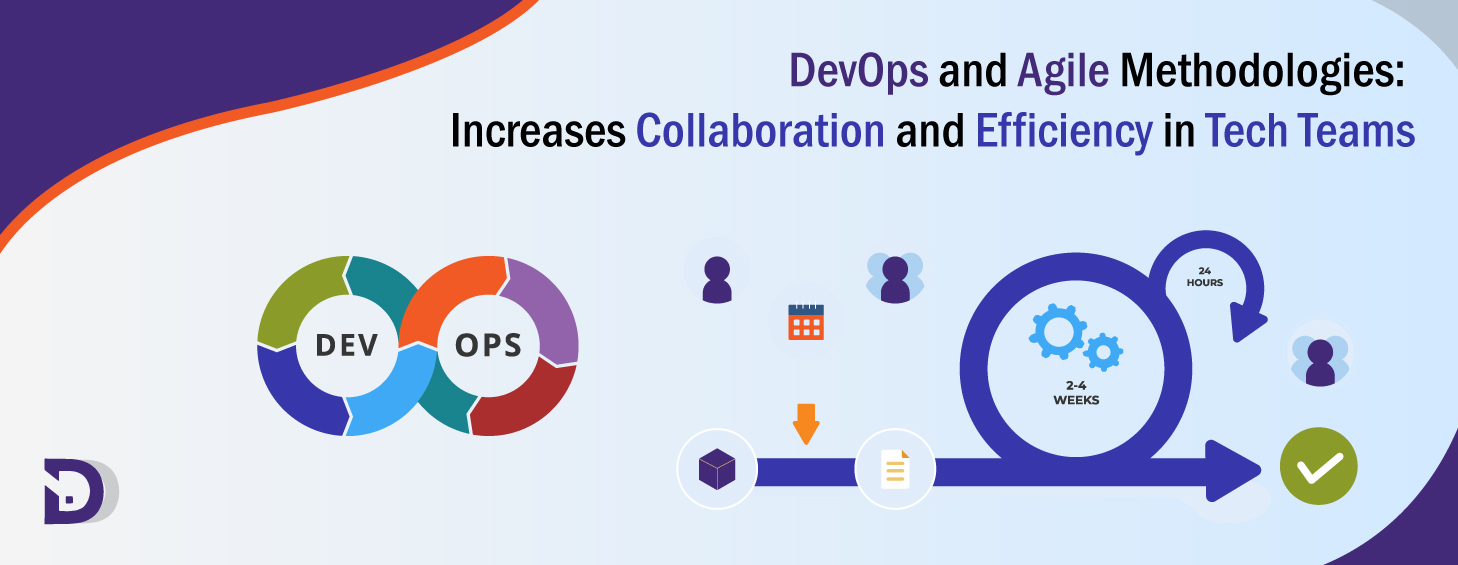
    DevOps and Agile Methodologies: Increases Collaboration and Efficiency in Tech Teams

    Introduction

    Definition and Overview..

    DevOps and Agile methodologies are well-known ways to improve the velocity of your modern software development, made brilliant by not just boosting collaboration but also optimizing operations. DevOps blends development (Dev) and operations or IT (Ops), all of which are focused on the speedy production of high-quality software. The topic was agile processes that use an iterative approach and self-organizing teams, and most significantly, it gave importance to customer feedback compared to traditional methods. The commonality The major thing both methodologies do is give priority to teamwork, communication, and a culture of continuous improvement. Tech teams are the optimal example of this, as collaboration is a critical component that directly impacts speed and success in software projects.

    Purpose of the Article

    In this blog, our primary goal is to explain how DevOps and Agile can improve the synergy among tech teams in any firm. This article looks at those methodologies to try and understand how they help create a better, more cohesive workplace by examining the principles, practices, and tools that surround them. The talk will cover how DevOps and Agile tear down silos, streamline processes and foster a culture of shared accountability leading to better outcomes on projects while making the most effective use of the team.

    Understanding DevOps and Agile Methodologies

    DevOps

    devOps

    DevOps is a set of practices that combines software development (Dev) and IT operations (Ops), which aims to deliver continuously, integrating them. Some core principles are Automation of processes, Collaboration Continuous Feedback & a new culture of shared responsibility. The ultimate aim is to cut down the software development lifecycle by not compromising on high-quality and resilient code.

    Common DevOps Tools and Practices: Automatically integrates code changes from multiple contributors, and ensures that these can be deployed quickly and reliably. To treat infrastructure provisioning as code+scripts that are also machine-readable Manage and provision computing (and potentially other) resources with computer-rendered scripts, a basic manifestation of meaning consistency & efficiency. Prometheus, Grafana & ELK Stack — Monitoring system performance and error logging to detect any problems before they occur Platforms such as Jenkins, Docker, Kubernetes, or Slack enable seamless process communication and automation between the DevOps team.

    Advantages of DevOps in Software Development and Operations: Increases the velocity with which it moves from development to production; this allows for quicker, more predictable releases. Removes silos between development and operations by fostering a more collaborative culture with common goals. This guarantees that your software is bug-free and more reliable, thus decreasing the possibility of bugs post-deployment. Streamlines infrastructure management making it easy to scale apps/services as required

    Agile Methodologies

    agile methodologies

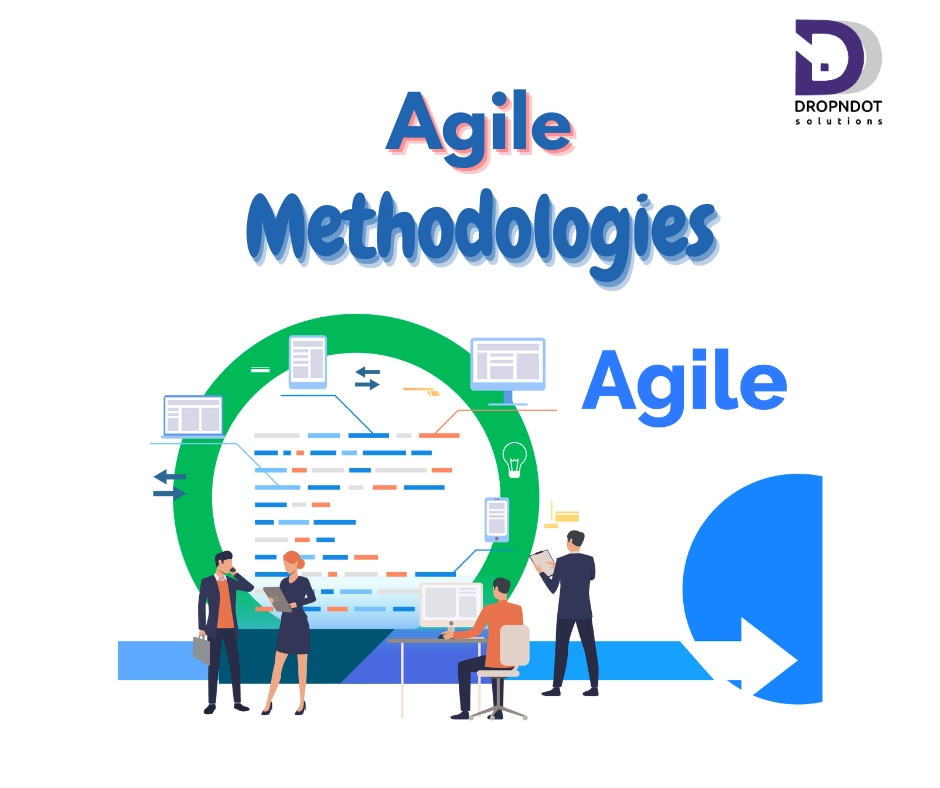
    Agile Methodologies: Agile methodologies are a group of software development approaches focused on iterative and flexible delivery for value, along with customer collaboration across iterations. Key concepts such as adjusting to change, regular delivery of working software, and collaboration with multiple parties throughout the project are more important than all else. By fostering a culture of ongoing improvement, Agile relies on the feedback loops built into it.

    The Advantages of Agile in Project Management and Development: Enables the team to adapt quickly when requirements, priorities, or market conditions change — ensuring that your final product meets stakeholder needs as they inevitably evolve. Continuous delivery and regular feedback loops will mean that your product remains parallel to what’s expected by the customers, this also helps in leading better customer satisfaction while at the same time reducing the risk of failure. Agile encourages a team to collaborate and work near its members and stakeholders together, which results in improved communication (inter-and intra) and understanding of what the goals are for this project. 

    Agile breaks projects down into small, manageable units and helps to keep them organized according to their importance so it allows features and improvements released faster. Festivities around retrospectives and iterative development entreat teams to examine performance each sprint, making course corrections that drive repeatable process improvement for optimized productivity AND quality.

    The Intersection of DevOps and Agile

    Complementary Nature

    DevOps & Agile Methodologies: DevOps and Agile methodologies have the same goal in sight which is to enhance the velocity and quality of software delivery. While Agile puts more impression on iterative development where the customer and developers continuously work together, DevOps underlines automation, operations efficiency, and continuous integration. Collectively, this helps create a complete software development and delivery pipeline from the moment you request code through to running in production ─ aligned with business goals.

    CI/CD (continuous integration, continuous deployment): This is a core DevOps practice that fits well with agile sprints and specifically ensures code changes are automatically integrated, tested, and deployed more frequently to production as opposed to the traditional longer time interval between when developers commit code into version control system until it reaches production. In an Agile sprint, teams develop work in short time-boxed development cycles to deliver small improvements or features. Agile sprints are improved upon when teams can quickly deploy their work at the end of each sprint using CI/CD pipelines. This enables fast, continuous delivery of the iterative development process alongside real-time deployment and feedback loops to build upon progress as it happens. When you incorporate CI/CD into Agile sprints, each sprint has the potential to deliver value to end users resulting in a deployable product increment at the end of that iteration.

    Shared Goals

    Value Delivery: One of the shared objectives for both DevOps and Agile methodologies is delivering value as fast, simply, and effectively to customers. Iterations of the development are regularly delivered allowing feedback to be continually added, automated and streamlined deployment is done in DevOps so that features/fixes can get into production much faster. Having this common focus means we can build the product based on real user needs and feedback which results in greater customer satisfaction…and often better alignment to business objectives.

    Iterative Development and Feedback Loops: The agile approach emphasizes iterative development in which, from one iteration to another, you repeatedly work on small pieces of capabilities that can be completed quickly. This fits in nicely with an iterative DevOps model that brings feedback loops throughout the development/deployment process— everything from automated testing to monitoring, and continuous delivery. By incorporating these feedback loops, issues are identified and addressed quickly which leads to continuous improvement of both the product as well as processes used in building it. That focus on iterating and feedback loops ensures greater cooperation within teams, as developers and operations personnel come together to see that every iteration is finished with a high level of quality while fulfilling the customer’s demand.

    Enhancing Collaboration in Tech Teams

    Breaking Down Silos

    Promote Cross-Functional Teams: One of the core values in DevOps and Agile methodologies is cross-functional teams made up of a mix of personnel with background experience in development, operations, and QA among other disciplines who come together to achieve one common goal. Cross-functional teams Split the typical silos and shame-free approach to Software development where everyone contributes knowledge & responsibility. DevOps and Agile methodologies foster collaboration between teams, making it easy to ensure everyone can work together towards the same outcomes by uniting them around shared objectives of priorities.

    Being Transparent and Open: open communication is an essential ingredient of both DevOps as well as Agile methodologies. Clusters and techniques like these drive continuous conversations with team members, stakeholders, customers, etc. With periodic updates, shared metrics, and a transparent view of the status of each project, everyone is on the same page. This type of open communication and transparency builds a strong foundation so that problems are captured early, resulting in reduced chances of misunderstandings hence higher collaboration between the team.

    Collaboration Tools and Practices

    Collaboration Tools (Slack, jira, confluence ): Communication tools are essential in the land of DevOps and Agile that support collaboration for project management, task tracking, and documentation.

    • Slack: Facilitates real-time communication and collaboration, enabling members of a team to discuss issues, post updates, or work together from different physically separated locations across time zones
    • Jira: Agile Software Among the best of breed in terms of popularity, the most widely used agile software for project management purposes by product teams. JIRA is a proprietary issue tracking product or say tool developed by Atlassian that allows bug tracking and deployment builds tasks to be expressed as ‘issues’ with its integration capability on its other products like Bitbucket ( source code repo)and Bamboo(Continuos Integration Server).
    • Confluence: Confluence, creates a solid foundation for your teams to document and share the knowledge they need every day in one central place.

    The difference is in the frequent stand-up, retrospective, and planning: Daily meetings that are a key practice of both DevOps and Agile methodologies with time for all team members to report about their work from yesterday, points out blocking situations experienced by each one and aligns on the goals for today. That is when agile retrospectives come into play, focusing on looking back into the team´s performance during a sprint and helping them identify areas of improvement and plan changes that can be made, generating continuous improvement. Collaborative sprint planning sessions allow the team to determine what will get done in enough detail for everyone on the team and add an element of rigor over a short-term horizon.

    Cultural Shifts

    Cultivating a Culture of Trust and Shared Responsibility: DevOps as well as Agile methodologies demand results in an entrenched culture where trust abides alongside the shoulders of shared responsibility. We encourage team members to own their tasks and will give guidance when they need it, but also expect that if you have a better idea or know how something should be done then we rely on your knowledge for this project to succeed. A culture of trust that encourages open, honest conversation not only allows people to look forward they also believe in themselves and their peers enough to see a radical new idea can work. Through sharing responsibility, these methodologies allow us to celebrate success together as a team which only makes collaboration and the unity of purpose stronger within teams.

    Stressing the Value of Team Unity and Mindful Ownership: In DevOps/Automated Server Environments, you will work in cohesion with multiple other workers where they expect each employee to control a large number of servers on their own. When no one can hide behind an excuse or a lack of knowledge, the team feels collective ownership and is more galvanized to make it work. In the world of DevOps and Agile methodologies, people as part of a team are supposed to mean exactly this having each other’s back where work shares its place & knowledge too regardless of difficult technical problems faced so that collaboration fosters well and delivers better results.

    Increasing Efficiency in Tech Teams

    Automation and Continuous Integration/Continuous Deployment (CI/CD)

    Automation: Automation is a key component of DevOps and Agile methodologies, which helps to cut down repetitive manual tasks that tend to be time-consuming or prone to errors. The ability to automate things like code testing, integration, and deployment means teams have a way of ensuring consistency (and therefore reliability) throughout all steps in the development lifecycle. Using Automation Can Also Create a Situation in Which Team Members Will No Longer Focus on Monotonous and Simple Tasks, Allowing Them to Use Time for More Important Things; and This Results in Work Being Completed Much Faster with Less Error!

    CI/CD Pipelines: Incubators in Whizzing Development Cycles CI/CD pipelines occupy the culmination of developer productivity originated when DevOps and Agile methodologies are orchestrated. Continuous Integration (CI) makes things easy by checking the code changes automatically and finally integrating relevant parts with the main branch, which helps teams figure out bugs as soon as possible. Continuous Deployment (CD) takes this a step further by automatically deploying code to production, allowing teams to push new features and updates quickly and collaboratively. CI/CD pipelines expedite development as the time between code in commit and production release is brought down, enabling quick responses to market demands or customer feedback.

    Agile Practices for Efficiency

    Development process: Agile methodologies focus on iterative development, a linear progression of constant feedback and work generally performed in short 1 to 4 weeks sprints. This way the teams can get feedback continuously and keep adjusting the product based on customer needs, preventing them from doing a lot of re-work at the end, hence decreasing risk. Feedback is essential – Regular continuous feedback allows the development teams to understand areas where there may be improvements and allows as well for fine-tuning of processes, which will, in turn, result in better outcomes delivered at greater speed.

    TIMEBOXING/Sprint Planning/Backlog Grooming: A method where a fixed unit of time is given to each task or activity to limit its completion within the specified timeframe and avoid scope creep. A sprint planning session is a collaborative process in which the Scrum team comes together to determine what will and won’t be worked on during the next iteration. Regular grooming and prioritization of the product backlog so that work is ready for teams to start on upcoming sprints, allowing them to highlight features first.

    Metrics and Continuous Improvement

    Measuring Team Performance with Metrics: Another key to both DevOps and Agile is metrics that give teams the hard numbers they need to evaluate their performance Areas for Teams up guide using Teams. The main metrics used are cycle time, lead time, deployment frequency, and defect rates all of which give insight into how effective teams deliver value as well as where bottlenecks can lie. This will help teams better align on implementing changes, ensure they have an understanding of the key contributors to efficiency, and when implemented consistently over a longer period holistically incentivize activities that reduce time.

    Use Continuous Improvement Processes: DevOps and Agile both depend on continuous improvement, with processes like Kaizen that encourage small changes in repeated cycles over a long period delivering big results. They continuously debate and discuss among the teams for better improvement approaches to structure their work in this manner to get more productivity on time. The dedication to continuous improvement, in fact; key factor behind striving for a learning and innovative culture where teams keep trying other PDSA cycles looking for measures of the best way possible trash reduction faster better results.

    Case Studies and Real-World Examples

    Successful Implementations

    Case Studies of Organizations Adopting DevOps with Agile Practices:

    Netflix: Being one of the earliest adopters of DevOps and Agile, Netflix leveraged these methods to develop a massively redundant scalable video streaming platform. Netflix, for example with the use of CI/CD pipelines and automated testings was able to decrease the time taken between deployments by nearly 10x at about a month per implementation initially.

    Spotify, using Agile methodologies — the Spotify Model of course is their key to cohesive teamwork throughout separate teams. It has continued to innovate at a break-neck pace by focusing on cross-functional squads and tribes, which have kept Spotify as one of the most competitive companies in the music streaming market.

    Amazon: The ability to make thousands of changes a day is due in part to Amazon taking up DevOps culture i.e. making the development team responsible for testing and deployment, instead of remaining siloed departments like it used to be, where each department throws virtually finished product over the wall(expectations) similar situation occurs when you integrate one automation expert with complete QA organization! Leveraging automation and continuous delivery Amazon has cut down on downtime and maintained system performance levels under high loads while significantly improving customer satisfaction.

    How they improved their collaboration and efficiency: In adopting DevOps, Netflix was able to transition from a monolithic architecture to microservices (meaning teams can work in parallel on different services.) This change not only helped make the team more productive but also enabled Netflix to scale its services better. At Spotify, agile practices such as regular stand-ups and retrospectives have helped to form a virtuous cycle of continuous improvement that has had knock-on effects when it comes to uncovering problems early. On one hand, it meant we could deploy new functionality more quickly, and on the other, our development process was far quicker to react. Amazon achieves this by combining the best of DevOps and Agile to create a fast development process where teams can conduct experiments and test new features quickly. This has not just boosted their efficiency but also enabled Amazon to keep on innovating and adjusting to meet customer requirements.

    Lessons Learned

    Common Hurdles and Their Resolution: Most organizations often struggle with adapting DevOps & Agile so to defeat cultural inertia, they resist change. For instance, Amazon began adopting these practices by showing the benefits through faster delivery times and better product quality instead of directly mandating they be used company-wide. The difficulties at Spotify were what presented the initial challenge of scaling Agile practices across a growing organization. We were tackling this by engineering the Spotify Model (which is doing wonders on autonomy and alignment at squads, tribes, chapters, etc.) to help us efficiently scale Agile collaborating like we always have done when building products from scratch. The company struggled to incorporate DevOps principles into its legacy systems. Over time, they have tackled this by refactoring and decomposing their monolithic architecture into microservices that allow for faster deployments.

    Key Takeaways and Best Practices: DevOps is not only a culture change, but it also needs understanding and mutual responsibility. The likes of Spotify and Amazon have proven that the ability to drive a culture in which teams depend on each other is crucial if businesses want to benefit from these methodologies. DevOps and Agile environments rely on automation as a primary driver for efficiency. Why outsource testing: Automation of test and deployment processes to decrease mistakes, save time, and free teams from tackling significantly more valuable work in the company. The success of DevOps and Agile methodologies is to constantly learn and change. Continuous retrospectives and loops such as the ones practiced through at organizations like Netflix, and Amazon allow teams to you know start identifying areas that may need improvements over a period leading them into making small incremental changes that in the longer run terms can have a much bigger impact.

    For tech teams, integrating DevOps and Agile methodologies comes with a lot of benefits to their side including increased collaboration among the other departments in addition to enhanced efficiency enabling them to deliver high-quality software more quickly. This allows these methodologies to even break down silos, develop pen communication and also bring the future of automation which makes a better environment that gives everything in one place. The DevOps and Agile landscape is ever-changing, so we can expect more innovations — like AI-infused automation and CI/CD techniques — to surface shortly which will reveal new horizons for how much organizations are willing to try things out by introducing real-world-centric challenges. 

    Nowadays if tech teams want to remain in the competition, they all will have to implement and fine-tune DevOps & Agile practices. Which they do to empower themselves with evolutionary continuous improvement so as not to be eliminated in a volatile and unpredictable landscape. Start with something like online classes, community boards, and industry publications that can give you a better understanding of these methodologies and how they will urge your skills.

  • Cybersecurity and Data Privacy: Safeguarding the Digital World

    Cybersecurity and Data Privacy: Safeguarding the Digital World

    Introduction

    Cybersecurity and Data Privacy are foundational elements in the protection of information in the digital age. Cybersecurity refers to the practices, technologies, and processes designed to protect networks, devices, and data from unauthorized access, cyberattacks, and damage. It encompasses a wide range of defensive measures such as encryption, firewalls, and multi-factor authentication to ensure information integrity, confidentiality, and availability. Data Privacy, on the other hand, concerns the proper handling and protection of personal data, ensuring that it is collected, stored, and shared in ways that comply with laws and respect individuals’ rights. 

    In today’s interconnected world, where cyber threats are increasingly sophisticated and pervasive, the importance of Cybersecurity and Data Privacy cannot be overstated. They are crucial for protecting sensitive information, maintaining trust, and ensuring compliance with regulatory standards. This article aims to provide a comprehensive overview of Cybersecurity and Data Privacy, exploring their definitions, significance, and the interplay between them. It will also delve into best practices for safeguarding digital assets, emerging trends, and the future landscape of digital security, offering insights into how to effectively protect against evolving threats.

    Understanding Cybersecurity

    understanding cybersecurity

    What is Cybersecurity?

    Cybersecurity involves the practices and technologies designed to protect systems, networks, and data from digital attacks, damage, or unauthorized access. It encompasses a broad range of measures aimed at defending information assets against various types of cyber threats and vulnerabilities.

    Key Components of Cybersecurity:

    • Network Security: This focuses on protecting the integrity and usability of networks and data by implementing measures such as firewalls, intrusion detection systems (IDS), and secure network architectures to prevent unauthorized access and cyberattacks.
    • Application Security: It involves safeguarding software applications from vulnerabilities and threats that could be exploited by attackers. Techniques include secure coding practices, regular updates and patches, and vulnerability assessments.
    • Information Security: This aims to protect the confidentiality, integrity, and availability of data. It involves encrypting sensitive information, implementing access controls, and ensuring secure data storage and transmission.
    • Operational Security: This encompasses the processes and verdict for handling and protecting data assets. It includes defining procedures for incident response, monitoring network traffic, and managing access controls to ensure operational resilience.
    • End-user Education: This involves training users to recognize and respond to potential security threats, such as phishing attempts or suspicious links, and promoting best practices for maintaining security hygiene.

    Common Cybersecurity Threats:

    • Malware: Malicious software designed to damage or disrupt systems, including viruses, worms, and trojans. Malware can corrupt data, steal sensitive information, or impair system functionality.
    • Phishing: A technique where attackers deceive individuals into providing personal or sensitive information by pretending to be a trustworthy entity, often through deceptive emails or websites.
    • Denial of Service (DoS) Attacks: These attacks aim to overwhelm a system or network with excessive traffic, causing it to become unavailable to legitimate users. Distributed Denial of Service (DDoS) attacks involve multiple systems working together to amplify the attack.
    • Man-in-the-Middle (MITM) Attacks: These occur when an attacker intercepts and potentially alters communications between two parties without their knowledge, often to steal or manipulate sensitive information.

    Exploring Data Privacy

    exploring data privacy

    What is Data Privacy?

    Data Privacy refers to the practices and principles involved in protecting individuals’ personal information from unauthorized access, use, or disclosure. It ensures that data handling processes respect individuals’ rights and comply with relevant laws and regulations, focusing on how personal data is collected, used, and shared.

    Key Principles of Data Privacy:

    • Data Minimization: This principle advocates for the collection and processing of only the data necessary for a specific purpose, avoiding excessive or irrelevant data collection to minimize exposure and risk.
    • Purpose Limitation: Data should only be collected and used for specific, legitimate purposes that are clearly defined at the time of collection, and should not be repurposed for unrelated uses.
    • Data Accuracy: Ensures that personal data is accurate and up-to-date. Organizations are responsible for keeping data correct and relevant, and for providing mechanisms for individuals to update their information.
    • Storage Limitation: Personal data should only be retained for as long as necessary to fulfill its intended purpose. After this period, data should be securely deleted or anonymized to prevent unnecessary risks.
    • Data Integrity and Confidentiality: This involves ensuring that personal data is protected from unauthorized access, alteration, or destruction, maintaining its confidentiality and integrity throughout its lifecycle.

    Data Privacy Regulations and Laws:

    • General Data Protection Regulation (GDPR): A comprehensive data protection law in the European Union that mandates strict guidelines for data collection, processing, and storage, and grants individuals significant rights over their data.
    • California Consumer Privacy Act (CCPA): A state law in California that provides residents with rights to access, delete, and opt out of the sale of their data, offering robust privacy protections for consumers.
    • Health Insurance Portability and Accountability Act (HIPAA): U.S. regulation that ensures the confidentiality and security of healthcare information, protecting patients’ personal health information from unauthorized access and disclosure.
    • Other Regional and International Laws: Various countries have their own data privacy laws, such as Brazil’s LGPD and Canada’s PIPEDA, each with specific requirements and protections tailored to local legal frameworks and cultural norms.

    The Interplay Between Cybersecurity and Data Privacy

    How Cybersecurity and Data Privacy Complement Each Other:

    Cybersecurity and Data Privacy are intrinsically linked, with effective cybersecurity practices underpinning robust data privacy. Cybersecurity measures, such as encryption, access controls, and network security, protect personal data from unauthorized access and breaches, thus supporting data privacy goals. Conversely, data privacy frameworks ensure that cybersecurity measures are applied in a way that respects and upholds individuals’ rights to their personal information, balancing security needs with privacy considerations. Both fields work together to create a secure environment where data is protected not only from external threats but also from misuse or mishandling within organizations.

    Potential Conflicts and Resolutions:

    • Conflicting Priorities: Cybersecurity measures designed to enhance security, such as extensive data collection or monitoring, can sometimes conflict with privacy principles like data minimization or purpose limitation. Resolving this requires implementing solutions that align security practices with privacy goals, such as using anonymization techniques or limiting monitoring to essential data only.
    • Regulatory Compliance: Adhering to stringent data privacy regulations might sometimes constrain cybersecurity practices, especially regarding data retention and sharing. Organizations can address this by adopting flexible cybersecurity strategies that comply with privacy laws while providing adequate protection.
    • User Experience vs. Security: Enhancing security might impact user experience, such as through multi-factor authentication or stringent data access controls. Balancing these aspects involves designing user-friendly security solutions that do not compromise privacy, such as seamless single sign-on systems combined with strong encryption.

    Best Practices for Cybersecurity and Data Privacy

    Organizational Policies and Procedures:

    • Risk Assessment and Management: Conduct regular risk assessments to identify and evaluate potential threats to cybersecurity and data privacy, allowing organizations to prioritize and address vulnerabilities effectively. This includes implementing a risk management framework to continually monitor and mitigate risks.
    • Regular Audits and Compliance Checks: Performing regular audits and compliance checks to ensure that cybersecurity and data privacy practices align with industry standards and regulatory requirements. This helps identify gaps in security and privacy measures and ensures continuous improvement.

    Technological Solutions:

    • Encryption: Implementing robust encryption methods to protect data at rest and in transit, ensuring that sensitive information is unreadable to unauthorized users. Encryption safeguards data integrity and confidentiality, providing a critical layer of protection.
    • Multi-Factor Authentication (MFA): Utilizing MFA to add an extra layer of security beyond traditional passwords. MFA requires users to provide multiple forms of verification, such as a password and a one-time code sent to a mobile device, significantly reducing the risk of unauthorized access.
    • Secure Software Development Lifecycle (SDLC): Integrating security practices into every phase of the software development lifecycle, from design to deployment. This includes conducting security testing, code reviews, and vulnerability assessments to ensure that applications are secure by design.

    Educating and Training Employees:

    • Importance of Employee Awareness: Raising awareness among employees about cybersecurity and data privacy risks and their role in mitigating these risks. Educated employees are better equipped to recognize and respond to potential threats, reducing the likelihood of human error.
    • Regular Training Programs: Implementing ongoing training programs to keep employees informed about the latest cybersecurity threats, data privacy regulations, and best practices. Training should be tailored to different roles within the organization to ensure relevance and effectiveness.

    Emerging Trends in Cybersecurity and Data Privacy

    Artificial Intelligence and Machine Learning:

    • Threat Detection and Response: AI and ML are revolutionizing cybersecurity by enabling advanced threat detection and response systems. These technologies can analyze vast amounts of data to identify patterns and anomalies indicative of cyber threats, enabling real-time threat detection and automated responses.
    • Predictive Analytics: Leveraging AI and ML for predictive analytics helps organizations anticipate potential cyber threats and vulnerabilities before they occur. This proactive approach allows for the implementation of preemptive security measures to mitigate risks.

    Internet of Things (IoT) Security:

    • Device Authentication: Ensuring that IoT devices are securely authenticated to prevent unauthorized access. Strong authentication mechanisms and secure communication protocols are essential to protect the vast network of interconnected devices.
    • Data Encryption: Implementing robust encryption methods for data transmitted between IoT devices and central systems to safeguard against interception and tampering.

    Cloud Security:

    • Shared Responsibility Model: Understanding and adhering to the shared responsibility model in cloud security, where cloud providers and users share different aspects of security responsibilities. Users must ensure proper configuration and management of their cloud environments.
    • Data Protection: Using encryption and tokenization to protect data stored in the cloud, both at rest and in transit, to prevent unauthorized access and breaches.

    Blockchain for Data Security:

    • Decentralization: Leveraging blockchain’s decentralized nature to enhance data security and integrity. 
    • Immutable Ledger: Using blockchain’s immutable ledger to ensure that data cannot be altered or tampered with provides a secure and transparent record of transactions and changes.

    The Future of Regulatory Landscapes:

    • Evolving Regulations: Staying informed about the evolving regulatory landscapes for cybersecurity and data privacy, as governments and regulatory bodies continue introducing new laws and standards to address emerging threats and challenges.
    • Global Compliance: Ensuring compliance with a complex array of global regulations, such as GDPR, CCPA, and other regional data protection laws, requires organizations to implement stringent security and privacy measures.

    Challenges in Implementing Cybersecurity and Data Privacy Measures

    Evolving Nature of Cyber Threats:

    • Advanced Persistent Threats (APTs): These sophisticated attacks are designed to infiltrate networks undetected over long periods, posing significant challenges to detection and mitigation efforts. Organizations must continuously update their cybersecurity measures to combat these evolving threats.
    • Zero-Day Vulnerabilities: Exploits targeting previously unknown vulnerabilities can catch organizations off guard. Rapid detection and patching are critical, but staying ahead of such threats requires proactive monitoring and threat intelligence.

    Balancing Privacy with User Experience:

    • User Convenience vs. Security: Implementing stringent security measures, such as multi-factor authentication, can sometimes hinder user convenience and experience. Finding a balance between robust security and seamless user interactions is a persistent challenge.
    • Data Minimization: Collecting only the necessary data to protect user privacy can conflict with business goals that seek to gather extensive user information for analytics and personalization. Organizations must navigate these competing interests carefully.

    Budget Constraints and Resource Allocation:

    • Limited Budgets: Many organizations, especially small and medium-sized enterprises, face budget constraints that limit their ability to invest in advanced cybersecurity tools and data privacy measures. Prioritizing essential protections within budgetary limits is crucial.
    • Resource Allocation: Allocating sufficient resources, including skilled personnel and cutting-edge technologies, to cybersecurity and data privacy initiatives can be challenging. Organizations must balance these needs with other operational demands.

    Keeping Up with Regulatory Changes:

    • Dynamic Legal Landscape: The constantly evolving legal and regulatory landscape for cybersecurity and data privacy requires organizations to stay informed and agile. New laws and amendments necessitate regular updates to policies and procedures.
    • Global Compliance: Navigating the complexities of global regulations, such as GDPR, CCPA, and other regional laws, demands a comprehensive understanding and implementation strategy to ensure compliance across different jurisdictions.

    Case Studies and Real-World Examples

    Notable Cybersecurity Breaches and Their Impact on Data Privacy:

    • Equifax Data Breach (2017): This breach exposed the personal information of 147 million people, including Social Security numbers, birth dates, and addresses. The incident highlighted significant flaws in Equifax’s cybersecurity practices and led to widespread criticism and regulatory scrutiny, emphasizing the critical need for robust security measures to protect sensitive data.
    • Target Data Breach (2013): Hackers gained access to the credit and debit card information of approximately 40 million customers by exploiting vulnerabilities in Target’s payment system. The breach underscored the importance of securing payment data and the need to monitor and update security protocols continuously.
    • Marriott International Data Breach (2018): The personal information of up to 500 million guests was compromised, including passport numbers and credit card details. The breach, which lasted several years before detection, highlighted the importance of early detection systems and regular security audits to prevent prolonged data exposure.

    Successful Implementation of Cybersecurity and Data Privacy Measures:

    • Apple’s Commitment to Privacy: Apple has been a leader in prioritizing data privacy, implementing strong encryption for its devices and services, and introducing features like the App Tracking Transparency framework, which gives users control over their data. These measures have set a benchmark for the tech industry and demonstrated the importance of integrating privacy into product design.
    • Google’s Advanced Protection Program: Google offers an Advanced Protection Program that provides enhanced security for high-risk users, including politicians and journalists. The program includes strong account protection features such as physical security keys and more rigorous verification processes, showcasing effective measures for safeguarding data.

    Lessons Learned from Past Incidents:

    • Importance of Regular Updates and Patching: Many breaches, such as the Equifax incident, occurred due to unpatched vulnerabilities. Organizations must prioritize regular updates and patch management to mitigate the risk of exploitation.
    • Comprehensive Incident Response Plans: Effective incident response plans, which include clear procedures and designated roles, are crucial for minimizing the impact of data breaches. The lack of a swift and coordinated response can exacerbate the consequences of an incident, as seen in the Target breach.
    • Employee Training and Awareness: Human error is common in many breaches. Continuous employee training and awareness programs can significantly reduce the risk of phishing attacks and other social engineering tactics. Companies like Google have emphasized the importance of security education in building a resilient cybersecurity culture.

    In today’s interconnected world, the importance of cybersecurity and data privacy cannot be overstated. Safeguarding the digital world is essential to protect sensitive information, maintain trust, and ensure the smooth functioning of businesses and daily activities. As cyber threats evolve, organizations and individuals must stay vigilant and proactive in implementing robust security measures. Organizations are called to prioritize regular risk assessments, update their security protocols, and ensure compliance with regulatory standards. Individuals, too, must remain informed and cautious, adopting secure online behaviors and protecting their data.

    The journey to safeguarding the digital world is ongoing and requires a collective effort from all stakeholders. By embracing best practices, investing in advanced technologies, and fostering a culture of security awareness, we can build a resilient digital future where cybersecurity and data privacy are foundational pillars. The stakes are high, but with concerted action and vigilance, we can protect our digital world from the ever-present threats that seek to undermine it.

  • Cloud Computing Innovations: Transforming the Future of IT

    Cloud Computing Innovations: Transforming the Future of IT

    Introduction

    Definition of Cloud Computing

    Cloud Computing Innovations: Transforming the Future of IT refers to the latest advancements and technological breakthroughs in cloud computing that are reshaping the IT landscape. These innovations in cloud computing are driving efficiency, scalability, and flexibility in IT infrastructure, enabling businesses to accelerate their digital transformation, optimize costs, and enhance their overall performance. Through these cloud computing innovations, organizations can stay competitive and adapt to the rapidly evolving technological environment.

    Importance of Cloud Computing in IT

    Cloud computing innovations have fundamentally transformed IT infrastructure by shifting the paradigm from traditional on-premises solutions to scalable, on-demand services accessible via the Internet. This shift has democratized access to advanced computing resources, enabling businesses of all sizes to leverage sophisticated technologies without significant upfront investments in hardware and software. For organizations, the benefits of cloud computing include reduced capital expenditures, increased flexibility to scale resources as needed, and the ability to innovate rapidly with access to the latest technologies. Individuals also benefit from the cloud through enhanced accessibility to applications and services from anywhere, on any device, which supports a more collaborative and efficient workflow. Cloud computing has facilitated a range of innovations, from big data analytics to artificial intelligence and machine learning, providing a robust foundation for technological advancement.

    Purpose of the Article

    The purpose of this article is to delve into the transformative impact of cloud computing innovations on the future of IT. By exploring the latest advancements in cloud technologies, we aim to uncover how these innovations are reshaping the IT landscape and driving future growth. This article will examine how emerging trends such as serverless computing, edge computing, and AI integration are not only enhancing existing IT infrastructures but also creating new opportunities for businesses and individuals. Through detailed analysis, the article seeks to highlight the pivotal role of cloud computing in the ongoing digital transformation, offering insights into how these innovations are setting the stage for the next era of technological advancement and shaping the future trajectory of the IT sector.

    Overview of Cloud Computing

    Types of Cloud Services

    types of cloud services

    Cloud computing innovations have revolutionized the way IT services are delivered and consumed, offering a range of solutions that cater to diverse needs and preferences. At the heart of this transformation are the various types of cloud services, each providing unique capabilities and benefits. 

    Infrastructure as a Service (IaaS) is a cloud computing model that delivers virtualized computing resources, including servers, storage, and networking, over the internet, allowing users to scale and manage their IT infrastructure on demand without needing to invest in physical hardware.

    Platform as a Service (PaaS) extends this concept by providing a development platform and environment for developers to build, deploy, and manage applications without worrying about the underlying infrastructure. PaaS solutions include tools and frameworks for application development, such as databases, development frameworks, and middleware, which streamline the development process and support innovation. 

    Software as a Service (SaaS) delivers complete, ready-to-use applications over the Internet, eliminating the need for local installations and maintenance. SaaS applications, such as CRM systems, office productivity suites, and collaboration tools, offer users immediate access to software functionalities on a subscription basis, fostering convenience and accessibility. 

    Cloud Deployment Models

    cloud deployment models

    In addition to these service models, cloud computing innovations are defined by various deployment models that offer different approaches to cloud resource management. 

    The Public Cloud model provides services to multiple customers through a shared infrastructure, offering scalability and cost-efficiency for businesses seeking to access advanced computing resources without the complexities of managing their hardware. 

    Conversely, the Private Cloud model offers a dedicated environment exclusively for one organization, delivering enhanced control, security, and customization options tailored to specific business needs. 

    The Hybrid Cloud model combines elements of both public and private clouds, allowing organizations to integrate on-premises infrastructure with cloud services to achieve a balance between flexibility, security, and cost-effectiveness. 

    Key Innovations in Cloud Computing

    Serverless Computing

    Cloud computing innovations continue to reshape the landscape of IT, introducing new paradigms and technologies that drive efficiency, scalability, and innovation. One such breakthrough is serverless computing, which allows developers to run code without the need to manage the underlying infrastructure. By enabling the execution of code in response to events, serverless computing abstracts away server management, scaling automatically with demand and charging only for actual usage, thereby reducing operational costs and complexity. Common use cases include event-driven applications, real-time file processing, and backend services for web and mobile applications. For example, platforms like AWS Lambda and Azure Functions empower developers to build and deploy functions rapidly, enhancing agility and time-to-market for new features.

    Edge Computing

    Edge computing is another critical innovation that complements cloud computing by processing data closer to its source, such as IoT devices or local data centers. This approach significantly reduces latency and improves real-time data processing capabilities, essential for applications requiring immediate insights and responses, such as autonomous vehicles, smart cities, and industrial automation. By offloading some computational tasks to the edge, cloud computing can handle less critical or more data-intensive tasks centrally, resulting in a more efficient overall system.

    Artificial Intelligence and Machine Learning Integration

    The integration of artificial intelligence (AI) and machine learning (ML) within cloud platforms has revolutionized data processing and analytics. Cloud providers offer a range of AI/ML services that simplify the development and deployment of intelligent applications. Services such as Google Cloud AI, AWS SageMaker, and Azure Machine Learning facilitate the development, training, and deployment of machine learning models, making it easier to derive insights from vast amounts of data. These cloud-based AI/ML services have enhanced capabilities in predictive analytics, natural language processing, and computer vision, driving innovation across various sectors from healthcare to finance.

    Quantum Computing

    Quantum computing represents a futuristic leap in cloud computing innovations, promising to solve complex problems that are currently infeasible with classical computers. While still in the experimental phase, quantum computing holds potential for breakthroughs in areas like cryptography, material science, and complex system simulations. Cloud providers like IBM, Google, and Microsoft are actively investing in quantum research, offering early access to quantum processors through cloud platforms. These advancements signal a future where quantum computing could complement classical computing, providing unparalleled processing power for specific tasks.

    Containerization and Kubernetes

    Containerization and Kubernetes have also become pivotal in modern cloud environments, streamlining the deployment and management of applications. Containers package applications and their dependencies into lightweight, portable units that can run consistently across different environments. This approach enhances the efficiency, scalability, and reliability of software deployment. Kubernetes, an open-source platform for automating the deployment, scaling, and management of containerized applications, plays a crucial role in managing these containers. It provides features such as automated rollouts and rollbacks, service discovery, and load balancing, ensuring that applications run smoothly and efficiently in dynamic cloud environments. The widespread adoption of Kubernetes has streamlined DevOps practices and enabled organizations to build and deploy applications more rapidly and reliably.

    Impact of Cloud Innovations on IT Infrastructure

    Scalability and Flexibility

    Cloud computing innovations have profoundly transformed IT infrastructure, bringing unparalleled scalability and flexibility, cost efficiency, enhanced security, and robust disaster recovery and business continuity solutions. One of the most significant impacts of cloud innovations is the ability to scale resources dynamically. Traditional IT infrastructure requires substantial investment in hardware and software to handle peak loads, often resulting in underutilized resources during off-peak times. In contrast, cloud solutions offer on-demand scalability, allowing businesses to scale their computing power, storage, and networking capabilities up or down based on current needs. For instance, Netflix utilizes AWS to handle massive surges in demand during peak viewing times, ensuring seamless user experiences without overprovisioning resources. This flexibility enables organizations to respond quickly to changing market conditions, deploy new applications faster, and innovate continuously.

    Cost Efficiency

    Cost efficiency is another critical benefit brought about by cloud computing innovations. By moving to the cloud, businesses can significantly reduce their capital expenditures, as they no longer need to purchase and maintain expensive hardware. Instead, they pay for the resources they use on a subscription or pay-as-you-go basis, transforming IT spending from a capital expense to an operational one. This model also eliminates the need for overprovisioning, further optimizing costs. For example, startups and small businesses can leverage cloud platforms like Google Cloud or Azure to access enterprise-grade infrastructure at a fraction of the cost, enabling them to compete with larger companies without substantial upfront investments.

    Security Enhancements

    Security has also seen remarkable advancements due to cloud computing innovations. Cloud service providers invest in advanced security technologies and practices to protect their customers’ data. These include encryption, multi-factor authentication, and sophisticated monitoring and threat detection systems. Providers like AWS, Microsoft Azure, and Google Cloud Platform offer comprehensive security frameworks that meet stringent industry standards and compliance requirements, such as GDPR, HIPAA, and SOC 2. For instance, AWS’s Shared Responsibility Model outlines clear security roles and responsibilities, ensuring robust protection of data and applications hosted in the cloud. These security measures help organizations mitigate risks and safeguard their digital assets more effectively than many could achieve with on-premises solutions.

    Disaster Recovery and Business Continuity

    Disaster recovery (DR) and business continuity (BC) have also been revolutionized by cloud computing innovations. Traditional DR solutions often require duplicate data centers and complex failover mechanisms, which can be costly and difficult to manage. Cloud-based DR solutions, however, offer more affordable and efficient alternatives. Services like Azure Site Recovery and AWS Disaster Recovery allow businesses to replicate critical data and applications to the cloud, ensuring rapid recovery in the event of an outage or disaster. These solutions provide automated failover and failback processes, minimizing downtime and ensuring business continuity. A notable case study is that of the airline industry, where companies like Southwest Airlines use cloud-based DR to maintain operations and protect customer data during unexpected disruptions, demonstrating the efficacy and reliability of these modern solutions.

    Cloud Computing Innovations and Business Transformation

    Digital Transformation

    Cloud computing innovations are at the forefront of business transformation, playing a pivotal role in driving digital transformation across various industries. In the realm of digital transformation, cloud computing provides the foundational infrastructure that allows businesses to leverage emerging technologies such as big data analytics, artificial intelligence, and the Internet of Things (IoT). By enabling scalable and flexible computing resources, the cloud facilitates the rapid deployment of digital solutions, empowering organizations to innovate continuously and stay competitive. For instance, in healthcare, cloud platforms support telemedicine and electronic health records, improving patient care and operational efficiency. In finance, cloud computing enables real-time data processing and analytics, enhancing decision-making and risk management. Retailers use cloud-based e-commerce platforms to personalize customer experiences and streamline supply chain operations, demonstrating how cloud innovations drive digital transformation across sectors.

    Agile Development and Deployment

    Cloud computing also significantly enhances agile development and deployment methodologies, which are critical for modern software development. Agile methodologies emphasize iterative development, continuous integration, and rapid delivery of high-quality software. Cloud platforms provide the necessary tools and environments to support these practices, such as automated testing, continuous integration/continuous deployment (CI/CD) pipelines, and microservices architectures. By using cloud services, development teams can quickly provision and scale environments, deploy code updates seamlessly, and collaborate more effectively. This agility reduces time-to-market for new features and products, increases responsiveness to customer feedback, and improves overall software quality. For example, companies like Spotify and Netflix utilize cloud-based CI/CD pipelines to deliver frequent updates and new features, ensuring their platforms remain competitive and responsive to user needs.

    Collaboration and Remote Work

    Moreover, cloud computing innovations have revolutionized collaboration and remote work, making them more effective and efficient than ever before. Enhanced collaboration tools and platforms, such as Microsoft Teams, Slack, and Google Workspace, are built on cloud infrastructure, enabling real-time communication, file sharing, and project management from anywhere in the world. These tools facilitate seamless collaboration among geographically dispersed teams, breaking down traditional office boundaries and fostering a more flexible work environment. The impact of cloud-based collaboration is particularly evident in the rise of remote and hybrid work models, which have become more prevalent due to the COVID-19 pandemic. Businesses can now maintain productivity and continuity despite physical distance, thanks to reliable and secure cloud services that support remote access to critical applications and data. This shift has led to increased employee satisfaction and retention, as workers enjoy greater flexibility and work-life balance.

    Future Trends in Cloud Computing

    Increased Adoption of Multi-Cloud Strategies

    Cloud computing innovations are setting the stage for future trends that will continue to transform IT. One significant trend is the increased adoption of multi-cloud strategies, where organizations utilize services from multiple cloud providers to optimize performance, avoid vendor lock-in, and enhance resilience. Multi-cloud environments offer numerous benefits, including greater flexibility, cost optimization, and the ability to leverage the best features of different providers. However, managing a multi-cloud strategy also presents challenges, such as increased complexity in integration, potential security risks, and the need for sophisticated orchestration tools. Despite these challenges, the prospects for multi-cloud adoption remain strong as businesses seek to balance risk, performance, and cost while taking advantage of diverse cloud offerings.

    Growth of AI and ML in the Cloud

    The growth of AI and ML in the cloud is another exciting trend driven by cloud computing innovations. Cloud providers are continually expanding their AI and ML services, offering platforms that facilitate the development, training, and deployment of machine learning models. Emerging services include automated machine learning (AutoML), which simplifies model creation, and AI-powered analytics tools that provide deeper insights into business data. As AI and ML technologies evolve, we can expect significant advancements in natural language processing, computer vision, and predictive analytics. These advancements will enable more sophisticated applications, such as personalized customer experiences, intelligent automation, and advanced decision support systems, further embedding AI and ML into everyday business operations.

    Advancements in Cloud Security

    Advancements in cloud security are also poised to shape the future of IT. As cyber threats become increasingly sophisticated, cloud providers are investing in advanced security technologies and protocols to protect their customers. Future security innovations may include enhanced encryption methods, AI-driven threat detection and response systems, and zero-trust security frameworks that ensure rigorous authentication and authorization processes. Additionally, the integration of blockchain technology for secure and transparent transactions could revolutionize how data integrity and security are maintained in the cloud. Anticipated trends in cloud security will focus on proactive threat mitigation, continuous monitoring, and automated incident response, providing robust defenses against evolving cyber threats.

    Sustainability and Green Cloud Computing

    Sustainability and green cloud computing are becoming increasingly important as environmental concerns grow. Cloud providers are making concerted efforts to develop more sustainable cloud solutions by optimizing energy efficiency, utilizing renewable energy sources, and implementing eco-friendly data center designs. Innovations aimed at reducing the environmental impact of cloud computing include advanced cooling technologies, energy-efficient hardware, and carbon-neutral cloud services. Companies like Google and Microsoft have committed to achieving carbon neutrality, with initiatives to power their data centers entirely with renewable energy. As these efforts progress, green cloud computing will not only reduce the carbon footprint of IT operations but also serve as a model for other industries striving for sustainability.

    Conclusion

    In conclusion, cloud computing innovations have significantly transformed the IT landscape by introducing key advancements such as serverless computing, edge computing, AI/ML integration, quantum computing, and containerization with Kubernetes. These innovations have enhanced scalability, flexibility, cost efficiency, security, and disaster recovery capabilities, driving digital transformation across various industries. Looking forward, the future of cloud computing promises even more exciting developments, including the widespread adoption of multi-cloud strategies, advancements in AI/ML services, heightened cloud security measures, and a strong emphasis on sustainability and green computing. These ongoing innovations will continue to revolutionize IT, enabling businesses to innovate rapidly, operate more efficiently, and create a more sustainable future.

  • Affordable SEO Services For Small Businesses

    Affordable SEO Services For Small Businesses

    Introduction of “Affordable SEO Services For Small Businesses”

    SEO, or Search Engine Optimization, enhances a website’s visibility on search engine results pages (SERPs) through various techniques and strategies. These strategies include optimizing content, improving site structure, and building backlinks, all aimed at increasing organic (non-paid) traffic to the site. The ultimate goal is to rank higher on SERPs for relevant keywords, thereby attracting more potential customers.

    Initially, it was enough to stuff keywords into a website’s content to rank highly on search engines. However, as search engines like Google developed more sophisticated algorithms, SEO practices had to adapt. Today, SEO is about creating high-quality, relevant content, ensuring a seamless user experience, and building a robust online reputation. This evolution has made SEO a more complex but indispensable part of digital marketing strategies for businesses of all sizes, especially for those seeking affordable SEO services for small businesses.

    For small businesses, SEO is a game-changer. By utilizing affordable SEO services for small businesses, these companies can significantly increase their visibility online. A well-optimized website appears higher in search engine results, making it more likely that potential customers will find and visit the site. This increased traffic can lead to higher sales and more robust brand recognition.

    Understanding Affordable SEO Services For Small Businesses

    Affordable SEO services for small businesses are those that deliver significant value without breaking the bank. Affordability in SEO means finding a balance between cost and quality, ensuring that the services provided meet the specific needs of the business without unnecessary extras that inflate the price. Affordable SEO should be scalable, allowing small businesses to start with essential services and expand as their budget and needs grow. The focus is on providing effective strategies that enhance online visibility, improve search engine rankings, and drive organic traffic at a reasonable cost.

    It’s important to differentiate between cheap and cost-effective SEO. Cheap SEO often involves cutting corners, using black-hat techniques, or providing subpar services that can harm a business’s online presence in the long run. These services may promise quick results at very low prices, but they rarely deliver sustainable success. On the other hand, cost-effective SEO focuses on delivering high-quality, ethical, and sustainable results within a budget-friendly framework. Cost-effective SEO services for small businesses emphasize value, ensuring that every dollar spent contributes to building a strong, long-term online presence.

    Keyword research and analysis are foundational components of affordable SEO services for small businesses. Effective keyword research ensures that the website’s content aligns with what users are searching for, thereby improving its visibility in search engine results. Affordable SEO services prioritize targeted keyword strategies that drive qualified traffic to the site without unnecessary expenditure on overly competitive keywords.

    On-page optimization is another crucial element of affordable SEO. It involves optimizing individual web pages to improve their rankings and attract more relevant traffic. This includes refining meta tags, headers, URLs, and images, as well as ensuring that the content is well-structured and keyword-rich. Affordable SEO services for small businesses focus on making sure that each page of the website is fully optimized for both search engines and users, providing a solid foundation for other SEO efforts.

    Off-page optimization, including link building, is vital for enhancing the authority and credibility of a website. Affordable SEO services for small businesses employ ethical link-building strategies to acquire high-quality backlinks from reputable sites. These backlinks act as votes of confidence, signaling to search engines that the website is trustworthy and relevant. Effective off-page optimization helps to improve the website’s domain authority and overall search engine rankings without resorting to risky or spammy tactics.

    Content creation and marketing are integral to any affordable SEO strategy. High-quality, relevant content attracts and engages users, encouraging them to spend more time on the website and explore its offerings. Affordable SEO services for small businesses include creating blog posts, articles, infographics, and videos that resonate with the target audience. By consistently producing valuable content, small businesses can establish themselves as industry experts, drive more organic traffic, and improve their search engine rankings.

    DIY vs. Professional SEO Services

    Pros and Cons of DIY SEO

    One of the most compelling reasons small businesses might opt for DIY SEO is the potential for cost savings. By handling SEO in-house, businesses can avoid the expenses associated with hiring external experts. This approach allows them to allocate their budget to other critical areas of their operations. For many startups and small businesses operating on tight margins, this can be a significant advantage.

    DIY SEO also offers unparalleled flexibility and control. Business owners can implement and adjust strategies based on their specific needs and timelines without waiting for an external agency’s input. This level of control ensures that the SEO efforts are closely aligned with the company’s goals and can be modified as those goals evolve.

    Another significant drawback is the potential for mistakes due to limited expertise. Without a deep understanding of SEO, it’s easy to make errors that can harm a website’s ranking, such as keyword stuffing, poor backlink strategies, or neglecting technical SEO aspects. These mistakes can not only waste time and effort but also potentially lead to penalties from search engines. Thus, while DIY SEO can be a viable option for some, it carries risks that can undermine its initial cost benefits.

    Benefits of Hiring Affordable SEO Services

    Hiring affordable SEO services for small businesses brings a wealth of professional expertise and experience. SEO professionals are well-versed in the latest industry trends, best practices, and algorithm updates. Their extensive knowledge allows them to craft effective strategies tailored to a business’s unique needs, ensuring optimal results. This expertise can significantly enhance a small business’s online visibility, driving more targeted traffic to their website.

    Another major benefit is time efficiency. By outsourcing SEO tasks, business owners can focus on what they do best—running their business. Professional SEO services handle everything from keyword research and content creation to technical audits and link building, freeing up valuable time for business owners and their teams. This efficiency is especially beneficial for small businesses with limited staff and resources.

    Affordable SEO services for small businesses also provide access to advanced tools and resources that might be cost-prohibitive to purchase independently. These tools, which include keyword research software, analytics platforms, and backlink tracking systems, enable more effective and accurate SEO work. Professionals know how to leverage these tools to gain insights, track performance, and adjust strategies for better outcomes.

    Finding Affordable SEO Services

    Finding Affordable SEO Services

    Research and Evaluation

    When seeking affordable SEO services for small businesses, the first step is identifying reputable providers. This involves researching companies specializing in SEO with a proven track record of success. Look for well-established firms, that have positive industry recognition, and demonstrate expertise in various aspects of SEO.

    Next, it’s crucial to evaluate the service packages and pricing offered by different SEO providers. Affordable SEO services for small businesses should offer comprehensive packages that include essential elements like keyword research, on-page optimization, and link building, all at a reasonable cost. Compare these packages to ensure you’re getting value for your money without compromising on the quality of services.

    Questions to Ask Potential SEO Providers

    When evaluating affordable SEO services for small businesses, it’s essential to ask potential providers what is included in their services. A clear understanding of the scope of work ensures that you know exactly what you are paying for. This includes specific SEO tasks, timelines, and deliverables.

    Understanding the provider’s approach to keyword research and strategy is crucial. Ask them how they identify target keywords, their methods for analyzing keyword competition, and how they plan to integrate these keywords into your SEO strategy. A thorough and strategic approach to keyword research is a hallmark of a competent SEO provider.

    Red Flags to Avoid

    Be wary of SEO providers who promise instant results. SEO is a long-term strategy. Providers who claim they can deliver quick results may be using unethical practices that could harm your website in the long run.

    Transparency is key when choosing an SEO provider. Avoid companies that are vague about their pricing or what their services entail. Clear, upfront communication about costs and services is essential to avoid hidden fees and ensure you understand what you are paying for.

    Cost-effective SEO Strategies for Small Businesses

    Local SEO

    For small businesses, local SEO is a critical strategy in their digital marketing arsenal. Affordable SEO services for small businesses often emphasize local SEO because it target potential customers in the immediate geographic area. By optimizing for local search, businesses can increase their visibility to nearby customers who are searching for products or services they offer, making it easier to attract and convert these local prospects into loyal customers.

    Building local citations and backlinks is another crucial aspect of local SEO. Citations are mentions of the business’s name, address, and phone number (NAP) on other websites, while backlinks are links from other local websites to the business’s site. Affordable SEO services for small businesses help create and manage these citations and backlinks, which improve local search rankings and establish the business as a trusted entity within the community.

    Encouraging satisfied customers to leave positive reviews on platforms like Google, Yelp, and Facebook can enhance a business’s online reputation and improve its local search rankings. Affordable SEO services for small businesses often include strategies for soliciting and managing reviews, addressing negative feedback professionally, and highlighting positive experiences to attract more local customers.

    Content Marketing

    Content marketing is a cornerstone of SEO, and creating valuable and relevant content is essential for attracting and retaining customers. Affordable SEO services for small businesses focus on developing high-quality content that addresses the needs and interests of the target audience. This content helps build authority, engage visitors, and encourage them to stay longer on the site, which can positively impact search engine rankings.

    Utilizing multimedia content like videos and infographics is another cost-effective strategy. These types of content are highly engaging and can convey complex information in an easily digestible format. Affordable SEO services for small businesses leverage multimedia to capture audience attention, increase time spent on the site, and improve overall SEO performance.

    Repurposing content for multiple platforms maximizes its value and reach. For instance, a blog post can be transformed into a video or social media post. Affordable SEO services for small businesses use this strategy to ensure that content reaches a broader audience across different platforms without the need for continuous content creation, thereby saving time and resources.

    Social Media Integration

    Social media integration is a powerful tool for enhancing SEO efforts. By leveraging social media platforms, small businesses can drive traffic to their websites, engage with their audience, and improve brand visibility. Affordable SEO services for small businesses often include social media strategies that align with SEO goals, helping businesses amplify their content and attract more visitors.

    Building a strong social media presence involves consistent posting, engaging with followers, and creating shareable content. Affordable SEO services for small businesses help develop a robust social media strategy that includes regular updates, interaction with users, and promotional activities. A strong social media presence can lead to increased website traffic and improved search engine rankings.

    Engaging with the audience and encouraging shares is crucial for social media success. By responding to comments, participating in discussions, and encouraging users to share content, businesses can increase their reach and visibility. Affordable SEO services for small businesses often guide effective engagement tactics that foster a loyal community and boost SEO performance.

    Technical SEO on a Budget

    Technical SEO is essential for ensuring a website performs well in search engines. Affordable SEO services for small businesses focus on basic technical SEO tasks such as improving site speed and ensuring mobile optimization. A fast, mobile-friendly website provides a better user experience, which can lead to higher search engine rankings and increased traffic.

    There are numerous free or affordable SEO tools available that can help small businesses improve their SEO. Tools like Google Analytics, Google Search Console, and various keyword research tools provide valuable insights and data. Affordable SEO services for small businesses leverage these tools to conduct audits, track performance, and optimize the website effectively without significant costs.

    Conducting regular site audits and fixing errors is a cost-effective way to maintain and improve SEO. Affordable SEO services for small businesses include periodic audits to identify issues such as broken links, duplicate content, and missing meta tags. By addressing these issues promptly, businesses can ensure their website remains optimized and performs well in search engine rankings.

    Ensuring website security by using HTTPS is another crucial aspect of technical SEO. Affordable SEO services for small businesses prioritize securing the website to protect user data and build trust with visitors. A secure website is favored by search engines, and having HTTPS can positively impact search rankings. Additionally, it assures customers that their information is safe, enhancing their overall experience and trust in the business.

    Measuring the Success of SEO Efforts

    Measuring the Success of SEO Efforts

    Key Performance Indicators (KPIs)

    One of the most critical KPIs for assessing the effectiveness of affordable SEO services for small businesses is organic traffic. This metric measures the number of visitors who reach a website through unpaid search results. An increase in organic traffic typically indicates that the SEO strategies in place are successfully boosting the site’s visibility and attracting more potential customers. Monitoring organic traffic helps businesses understand the reach and impact of their SEO efforts.

    Another essential KPI is keyword rankings. This metric tracks the position of a business’s website in search engine results for specific keywords. Affordable SEO services for small businesses focus on improving these rankings for relevant keywords, as higher rankings usually lead to increased visibility and traffic. Regularly tracking keyword rankings allows businesses to gauge the effectiveness of their SEO strategies and make necessary adjustments to stay competitive.

    Tools for Tracking SEO Performance

    Google Analytics is a powerful tool. It provides detailed insights into user behavior and conversion rates. Affordable SEO services for small businesses leverage Google Analytics to monitor organic traffic, bounce rates, and other vital metrics, helping businesses understand how their SEO efforts are impacting their online presence.

    Google Search Console is another tool for tracking SEO performance. It offers valuable data on search queries, keyword rankings, and site indexing. Affordable SEO services for small businesses use Google Search Console to identify technical issues, track keyword performance, and understand how search engines view their website, enabling them to make data-driven decisions to improve SEO.

    SEO-specific tools like SEMrush, Ahrefs, and Moz provide comprehensive insights into keyword rankings, backlinks, and competitive analysis. These tools are indispensable for affordable SEO services for small businesses, as they offer advanced features for tracking SEO performance, conducting keyword research, and identifying link-building opportunities. Using these tools helps businesses stay ahead of the competition and continuously optimize their SEO strategies.

    Adjusting Strategies Based on Data

    Interpreting data and identifying trends is crucial for making informed decisions about SEO strategies. Affordable SEO services for small businesses involve analyzing data from various tools to uncover patterns and trends. This analysis helps businesses understand what is working and what needs adjustment, enabling them to optimize their SEO efforts effectively.

    Making informed decisions based on data is essential for adjusting SEO strategies. Affordable SEO services for small businesses use data-driven insights to refine keyword targeting, content strategies, and technical optimizations. By continually assessing performance metrics, businesses can make strategic adjustments that enhance their SEO outcomes and drive better results.

    Conclusion of “Affordable SEO Services For Small Businesses”

    Affordable SEO services for small businesses are crucial in today’s digital landscape, providing a cost-effective means to boost online visibility and attract more customers. By leveraging both DIY and professional SEO services, small businesses can harness the power of search engine optimization without breaking the bank. DIY SEO offers cost savings and control, while professional services bring expertise, advanced tools, and time efficiency. Effective strategies such as local SEO, content marketing, social media integration, and technical SEO on a budget are essential for driving organic traffic and enhancing search engine rankings. Measuring success through key performance indicators (KPIs) like organic traffic, keyword rankings, bounce rates, and conversion rates ensures that businesses can continuously improve their SEO efforts based on data-driven insights.

    Prioritizing SEO in your business strategy is not just a smart move; it’s a necessity for long-term growth and success. Consistent SEO efforts provide enduring value, helping small businesses build a strong online presence and stay competitive in their market. While the journey may seem daunting at first, starting small and staying committed can yield significant rewards over time. Affordable SEO services for small businesses offer a practical pathway to achieving these goals. Embrace the long-term benefits of SEO and make it an integral part of your business strategy to see sustained growth and success.

  • Mastering Headless WordPress Integration with Next.js

    Mastering Headless WordPress Integration with Next.js

    Introduction of “Mastering Headless WordPress Integration with Next.js”

    “Mastering Headless WordPress Integration with Next.js” is a comprehensive guide that aims to help developers understand and implement a headless CMS architecture using WordPress and Next.js.”Mastering Headless WordPress Integration with Next.js” introduces an advanced approach to web development, combining the powerful content management capabilities of WordPress with the flexible front-end rendering capabilities of Next.js. In this integration, WordPress serves solely as a headless CMS, providing content through APIs, while Next.js handles the presentation layer, offering benefits such as server-side rendering (SSR), static site generation (SSG), and dynamic client-side.

    This approach offers numerous advantages, including enhanced performance, scalability, and flexibility. By decoupling the content management and presentation layers, developers gain the freedom to create highly customized, interactive web experiences while leveraging WordPress’s familiar interface for content creation and management.

    In this blog, developers delve into understanding the fundamentals of Headless CMS architecture, mastering Next.js‘ capabilities, exploring WordPress APIs, and implementing advanced integration strategies. From fetching data efficiently to optimizing performance, handling authentication, and ensuring SEO compatibility, this integration demands a comprehensive skill set.

    Mastering Headless WordPress Integration with Next.js empowers developers to create dynamic, feature-rich web applications that seamlessly blend the robust content management capabilities of WordPress with the performance and flexibility of Next.js, setting the stage for the next generation of web experiences.

    Setting Up the Environment of Headless WordPress Integration with Next.js

    Setting Up the Environment of Headless WordPress Integration with Next.js

    Setting up the environment for mastering headless WordPress integration with Next.js involves several key steps to ensure a smooth development process. First, you must install and configure WordPress as a headless CMS. This includes setting up a WordPress site on a local server or a hosting platform and ensuring that it is configured to serve content via the REST API or GraphQL. You’ll need to install plugins like “WP REST API” or “WPGraphQL” to facilitate this data exchange. Additionally, configuring permalinks to use a custom structure can help ensure clean URLs for your API endpoints.

    Next, you’ll set up your Next.js development environment. Create a new Next.js project using a package manager like npm or yarn. Install necessary dependencies, including React, Axios (or a similar library for making API requests), and any styling libraries you plan to use, such as styled-components or Tailwind CSS. Configure your Next.js project to fetch data from the headless WordPress API by setting up environment variables to store your WordPress site’s URL and API keys if necessary.

    Once the basic setup is complete, you’ll need to configure data fetching methods within your Next.js application. This involves creating API utility functions to handle requests to the WordPress REST API or GraphQL endpoints. You can set up these functions in a dedicated API file or folder within your Next.js project for better organization. Additionally, setting up SSR (Server-Side Rendering) or SSG (Static Site Generation) in Next.js is crucial for optimizing performance and SEO. Depending on your chosen rendering method, you’ll need to configure your Next.js pages to fetch data during the build process or on each request.

    For development and debugging, setting up a local development environment is essential. Tools like Docker can help create isolated environments for both headless WordPress and Next.js, ensuring consistency across different development machines. Additionally, using version control systems like Git allows you to track changes and collaborate with other developers more efficiently. Configure continuous integration and deployment pipelines to automate the deployment process, ensuring that your headless WordPress site is always up-to-date with changes.

    By carefully setting up your environment with these steps, you can create a robust foundation for developing a headless WordPress site with Next.js, paving the way for a high-performance, scalable, and maintainable web application.

    The benefit of Headless WordPress Integration with Next.js

    • Enhanced Performance:
      By decoupling the front end from the WordPress backend, developers can optimize performance by leveraging Next.js’s capabilities for server-side rendering (SSR), static site generation (SSG), and efficient data fetching. This results in faster load times, improved user experience, and better search engine rankings.
    • Flexibility and Scalability:
      Headless WordPress architecture combined with Next.js provides unparalleled flexibility and scalability. Developers have the freedom to choose the best tools and technologies for both the back end and front end, allowing for greater customization and adaptability to changing project requirements. Additionally, the modular nature of Next.js facilitates easy scaling as traffic and content volume grow.
    • Modern Development Workflow:
      Mastering Headless WordPress Integration with Next.js introduces developers to modern development workflows and best practices. By leveraging React and Next.js, developers can benefit from component-based architecture, hot module reloading, and other features that streamline the development process and improve code maintainability.
    • Future-Proofing:
      Embracing Headless WordPress Integration with Next.js future-proofs your projects by leveraging modern web technologies and standards. This approach ensures that your applications remain compatible with emerging trends and technologies, providing a solid foundation for long-term growth and innovation.
    • Seamless Content Management:
      With WordPress serving as the headless CMS, content editors can continue to use familiar WordPress interfaces for content creation and management. This seamless integration allows businesses to leverage the power of WordPress’s robust content management capabilities while enjoying the performance and flexibility benefits of Next.js.

    Overall, mastering Headless WordPress Integration with Next.js empowers developers to build high-performance, scalable web applications that deliver exceptional user experiences while providing businesses with the flexibility and agility needed to succeed in today’s digital landscape.

    Fetching Data from WordPress: Utilizing the REST API and GraphQL

    Fetching Data from WordPress

    Mastering Headless WordPress Integration with Next.js delves into the intricate process of seamlessly connecting WordPress, a powerful content management system, with Next.js, a React framework for building web applications. Within this comprehensive guide, Fetching Data from WordPress: Utilizing the REST API and GraphQL assumes paramount importance.

    In modern web development, accessing data from WordPress efficiently is essential for crafting dynamic and engaging user experiences. Illuminates two primary methods for achieving this: the REST API and GraphQL. The REST API, a stalwart in WordPress development, empowers developers to fetch data in JSON format through a series of structured endpoints. Meanwhile, GraphQL, renowned for its flexibility and efficiency, offers a more tailored approach to data retrieval, allowing clients to specify precisely the information they require.

    By exploring these two avenues in-depth, developers gain a nuanced understanding of how to harness WordPress’s vast repository of content and seamlessly integrate it into their Next.js applications. Whether opting for the simplicity of the REST API or the expressive power of GraphQL, mastering data fetching from WordPress is a pivotal step towards unlocking the full potential of headless architecture with Next.js.

    Dynamic Content Rendering in Headless WordPress Integration with Next.js

    In the journey of “Mastering Headless WordPress Integration with Next.js,” Dynamic Content Rendering with Next.js stands as a cornerstone, embodying the essence of creating interactive and engaging web experiences. With Next.js, developers are empowered to breathe life into their applications by seamlessly rendering dynamic content sourced from headless WordPress.

    Dynamic content rendering with Next.js transcends the traditional boundaries of static websites, offering a fluid and responsive user experience. Leveraging Next.js’s server-side rendering (SSR) and incremental static regeneration (ISR) capabilities, developers can fetch data from headless WordPress in real-time and dynamically generate pages on each request or at build time. This ensures that content remains fresh and up-to-date while maintaining blazing-fast performance.

    Furthermore, Next.js provides a robust framework for handling client-side rendering (CSR) when instant interactivity is paramount. By prefetching data and seamlessly transitioning between server-rendered and client-rendered content, Next.js empowers developers to strike the perfect balance between performance and interactivity.

    With dynamic content rendering in Next.js, developers can craft immersive web experiences that adapt to user interactions and evolve in real time. Whether building a blog, e-commerce platform, or any other content-driven application, mastering this aspect of integration with WordPress unlocks a world of possibilities for creating rich and compelling digital experiences.

    Advanced Data Handling and Performance Optimization in Headless WordPress Integration with Next.js

    Handling custom post types and taxonomies is a fundamental part of mastering headless WordPress integration with Next.js, as it allows you to structure and manage content more effectively. Creating custom post types in WordPress involves using the register_post_type function to define new content types that go beyond the default posts and pages. This customization lets you tailor your content management system to specific needs, such as portfolios, products, or events, making your content more organized and easily retrievable. Once these custom post types are set up, querying them through the WordPress REST API or WPGraphQL becomes seamless, enabling you to fetch and display this structured data within your Next.js application dynamically. Working with taxonomies and custom fields further enhances this capability. Taxonomies, like categories and tags, can be customized or newly created to better group and filter your custom post types, providing a more intuitive content organization. Custom fields, facilitated by plugins like Advanced Custom Fields (ACF), allow you to attach additional metadata to your posts, such as images, dates, or relationships, which can be queried and rendered in your Next.js components. This combination of custom post types, taxonomies, and custom fields empowers you to create a robust, tailored content management system that feeds rich, structured data to your Next.js front, ensuring a cohesive and efficient content delivery system.

    Optimizing performance is another critical aspect of integrating headless WordPress with Next.js, ensuring your application is fast and efficient. Implementing effective caching strategies is key to this optimization. Server-side caching, such as using reverse proxies like Varnish or leveraging WordPress caching plugins, can significantly reduce server load by storing and serving frequently requested data. Client-side caching, including the use of HTTP caching headers and service workers, ensures that once content is fetched by the browser, it can be reused without repeated network requests. Next.js supports Incremental Static Regeneration (ISR), which allows you to cache static pages and update them incrementally as data changes, combining the best of static site generation and dynamic content updates. Lazy loading and code splitting are additional techniques that boost performance. Lazy loading defers the loading of non-critical resources until they are needed, which can reduce initial load times and enhance user experience. Code splitting breaks down your application’s code into smaller chunks that are loaded on-demand, reducing the amount of JavaScript that needs to be loaded and parsed initially. Lastly, using a Content Delivery Network (CDN) for assets is crucial for delivering content quickly to users across the globe. CDNs distribute your static assets across a network of servers, ensuring that content is served from the closest geographical location to the user, reducing latency and improving load times. Platforms like Vercel or Netlify, which have built-in CDN support, can be particularly effective in a headless WordPress and Next.js setup, ensuring fast and reliable content delivery. By integrating these performance optimization techniques, you can ensure your headless WordPress and Next.js application is not only high-performing and scalable but also provides a seamless and responsive user experience.

    Authentication and Authorization in Mastering Headless WordPress Integration with Next.js

    Setting up authentication in a headless WordPress integration with Next.js is essential for ensuring secure and personalized user interactions. Implementing JWT (JSON Web Token) authentication in WordPress involves installing and configuring plugins like JWT Authentication for WP REST API. This setup allows you to generate tokens upon user login, which can then be used to authenticate subsequent API requests. On the Next.js side, you can create a custom authentication flow that sends login credentials to the WordPress backend, retrieves the JWT, and stores it in secure cookies or local storage. This token is then included in the headers of API requests to authenticate the user, ensuring that only authorized users can access certain endpoints or perform specific actions. By handling authentication this way, you maintain a secure and efficient communication channel between your Next.js frontend and WordPress backend.

    Role-Based Access Control (RBAC) further enhances security and content management by defining what users can see and do based on their roles. In WordPress, user roles such as Administrator, Editor, Author, and Subscriber come with predefined permissions, but these can be customized to fit the needs of your application. Managing user roles and permissions involves configuring these roles to control access to different types of content and functionalities. This can be achieved using plugins like User Role Editor, which allows you to create custom roles and fine-tune permissions. On the Next.js frontend, you can implement logic to check the user’s role and restrict access to certain pages or features accordingly. For example, you might restrict access to admin dashboards or certain editorial tools to only users with the appropriate permissions. By integrating role-based access control, you ensure that users only interact with the content and features relevant to their roles, enhancing both security and user experience in your headless WordPress and Next.js application.

    Deployment and Maintenance in Headless WordPress Integration with Next.js

    Deploying a headless WordPress and Next.js application involves carefully choosing and setting up the right hosting environments for both the backend and front end to ensure optimal performance and reliability. For deploying WordPress, you have the option of using a traditional server or opting for managed hosting solutions. Deploying WordPress on a server, whether it’s a virtual private server (VPS) or a dedicated server, gives you full control over the environment and configuration, which can be ideal for custom setups and specific performance optimizations. Managed hosting providers like WP Engine, Kinsta, or SiteGround offer a more streamlined approach, handling server management, backups, and security, which allows you to focus on development and content management without worrying about infrastructure.

    For deploying the Next.js frontend, platforms like Vercel and Netlify are highly recommended due to their seamless integration with the framework and excellent support for static and dynamic site generation. Vercel, the creator of Next.js, offers robust features such as serverless functions, automated deployments from Git repositories, and edge network capabilities, ensuring your application is fast and scalable. Netlify also provides an easy-to-use platform with built-in CI/CD, instant rollbacks, and global CDN distribution, making it a strong choice for hosting your Next.js applications.

    Monitoring and maintaining your deployed application is essential to ensure ongoing performance and security. Monitoring tools like New Relic, Datadog, or Google Analytics can track performance metrics, user interactions, and uptime, providing valuable insights into how your application is performing and where improvements might be needed. Regular updates and security patches for both WordPress and Next.js are vital to protect against vulnerabilities and ensure compatibility with the features and improvements. Automated update tools or managed hosting services can help streamline this process, ensuring your application remains secure and up-to-date with minimal manual intervention. By carefully managing deployment, CI/CD, and ongoing maintenance, you can ensure a robust, high-performing headless WordPress and Next.js application that delivers a seamless user experience.

    Conclusion of “Mastering Headless WordPress Integration with Next.js”

    Integrating headless WordPress with Next.js combines the best of both platforms to create a highly efficient, scalable, and flexible web development solution. Key learnings include setting up a headless WordPress environment, creating and querying custom post types and taxonomies, optimizing performance through various caching strategies, lazy loading, code splitting, and using CDNs, as well as implementing robust authentication and role-based access control. These techniques ensure a secure, high-performing application capable of delivering a seamless user experience. The benefits of this integration are manifold, including the ability to use WordPress’s powerful content management features while leveraging Next.js’s modern front-end capabilities for enhanced performance and user interaction.

    Looking ahead, the landscape of headless CMS and front-end frameworks continues to evolve. Emerging trends such as the adoption of Jamstack architecture, the rise of static site generation combined with serverless functions, and advancements in front-end frameworks like React Server Components and Next.js 13’s new features promise to further enhance the development experience and performance capabilities. For those looking to deepen their expertise, resources such as the Next.js documentation, advanced courses on headless CMS architecture, and community forums provide valuable insights and learning opportunities. Exploring these advanced topics and staying abreast of industry trends will ensure you remain at the forefront of web development, ready to implement solutions in your projects.

  • Affordable SEO Services Boosting Your Online Presence

    Affordable SEO Services Boosting Your Online Presence

    In the dynamic world of online business, having a strong digital presence is crucial for success. One of the most effective ways to enhance your visibility on the internet is through Search Engine Optimization (SEO). However, many businesses, especially small and startups, often struggle to allocate a hefty budget for SEO services. This is where affordable SEO services come into play, offering cost-effective solutions to improve your website’s ranking without breaking the bank.

    Understanding the Importance of Affordable SEO Services:

    1. Affordable SEO Services: A Game-Changer for Small Businesses

    For small businesses with limited resources, investing in affordable SEO services can be a game-changer. These services are tailored to fit tight budgets while still providing valuable strategies to improve online visibility and drive organic traffic.

    2. Strategies for Affordable SEO Services that Deliver Results

    Affordable SEO services encompass a range of strategies aimed at optimizing your website for search engines without draining your financial resources. From keyword research and on-page optimization to link building and content creation, these services focus on cost-effective yet impactful methods to improve your website’s search engine ranking.

    3. The Cost-Effective Approach to Boosting Your Online Presence

    Contrary to the misconception that affordable SEO services compromise on quality, many providers adopt a strategic and cost-effective approach to deliver results. By prioritizing the most impactful SEO techniques, these services ensure that your website gains visibility without unnecessary expenditures.

    Benefits of Choosing Affordable SEO Services:

    1. Cost-Effectiveness Without Compromising Quality

    Affordable SEO services aim to provide maximum value for your investment. While keeping the costs in check, these services ensure that the quality of the SEO strategies implemented is not compromised. This balance is crucial for businesses looking to optimize their online presence on a budget.

    2. Tailored Solutions for Small Businesses

    Smaller enterprises often have unique challenges and requirements. Affordable SEO services understand these specific needs and tailor their strategies accordingly. This personalized approach ensures that small businesses receive the maximum benefit from their SEO investment.

    3. Long-Term Results on a Budget

    Investing in affordable SEO services is not just a short-term solution. These services focus on sustainable strategies that yield long-term results. By consistently implementing effective SEO techniques, your website can maintain and improve its search engine ranking over time without the need for constant hefty investments.

    4. Increased Organic Traffic and Visibility

    The primary goal of SEO is to increase organic traffic to your website. Affordable SEO services use targeted strategies to enhance your website’s visibility on search engines, driving more organic traffic. This, in turn, can lead to increased brand awareness and potential customer acquisition.

    5. Adaptability to Evolving Algorithms

    Search engine algorithms are constantly evolving, making it essential for SEO strategies to adapt. Affordable SEO services stay updated with these changes and adjust their techniques accordingly. This adaptability ensures that your website remains optimized and competitive in the ever-changing digital landscape.

    Strategies Employed by Affordable SEO Services:

    1. Keyword Research and Optimization

    The foundation of any successful SEO campaign is thorough keyword research. Affordable SEO services identify relevant keywords for your business and strategically integrate them into your website’s content. This optimization enhances your website’s chances of ranking higher in search engine results.

    2. On-Page Optimization

    On-page optimization involves optimizing individual pages on your website to improve their search engine visibility. Affordable SEO services focus on elements such as meta tags, headings, and content structure to enhance the relevance and readability of your web pages.

    3. Quality Content Creation

    Content is king in the world of SEO. Affordable SEO services prioritize the creation of high-quality, relevant, and engaging content for your website. This not only improves your search engine ranking but also enhances the overall user experience.

    4. Link Building

    Building a network of high-quality backlinks is a crucial aspect of SEO. Affordable SEO services employ ethical link-building strategies to establish your website’s authority and credibility in the eyes of search engines.

    5. Local SEO Optimization

    For businesses targeting a local audience, affordable SEO services implement local SEO strategies. This includes optimizing your Google My Business profile, local keyword targeting, and ensuring consistent business information across online directories.

    6. Mobile Optimization

    With an increasing number of users accessing the internet via mobile devices, mobile optimization is essential. Affordable SEO services ensure that your website is responsive and provides a seamless experience for mobile users, positively impacting your search engine ranking.

    7. Analytics and Performance Tracking

    To measure the success of their strategies, affordable SEO services utilize analytics tools to track website performance. This data-driven approach allows for continuous refinement of SEO strategies based on real-time results.

    8. Social Media Integration

    Social media presence is intertwined with SEO. Affordable SEO services may integrate social media optimization strategies to leverage these platforms for increased brand visibility and engagement.

    9. Competitor Analysis

    Understanding your competitors is crucial in the world of SEO. Affordable SEO services conduct thorough competitor analysis to identify opportunities and develop strategies that give your website a competitive edge.

    10. Technical SEO Optimization

    Technical aspects of SEO, such as website speed, crawlability, and indexability, play a significant role in search engine ranking. Affordable SEO services address these technical factors to ensure optimal performance. If you want to lean more about Google ranking factors visit here

    Choosing the Right Affordable SEO Service Provider:

    1. Transparent Pricing and Packages

    A reliable affordable SEO service provider is transparent about their pricing and packages. Clear communication about the services included in each package helps you make an informed decision based on your budget and requirements.

    2. Proven Track Record

    Before selecting an affordable SEO service provider, assess their track record. Look for client testimonials, case studies, and examples of successful campaigns. A provider with a proven history of delivering results is more likely to contribute to your online success.

    3. Customization Options

    Every business is unique, and one-size-fits-all solutions may not be effective. Choose an affordable SEO service provider that offers customization options to tailor their strategies to your specific business goals and challenges.

    Investing in affordable SEO services is a strategic decision for businesses looking to enhance their online presence without breaking the bank. By implementing a combination of cost-effective yet impactful strategies, these services empower businesses of all sizes to compete in the digital landscape. When choosing an affordable SEO service provider, prioritize transparency, a proven track record, and the ability to customize strategies to meet your unique business needs. With the right approach, affordable SEO services can be the key to unlocking sustained growth and success in the online realm.

    Your Go-To Choice for the Best and Cheapest SEO Services

    In the ever-evolving landscape of online business, having a strong digital presence is paramount. When it comes to optimizing your website for search engines, affordability is a crucial factor, and DropnDot Solutions stands out as the best and cheapest SEO services company in the market. Let’s delve into why DropnDot Solutions should be your preferred choice for cost-effective SEO solutions.

    1. Cheapest SEO Services Tailored for Your Budget

    At DropnDot Solutions, we understand the importance of cost-effective solutions for businesses of all sizes. Our commitment lies in providing the cheapest SEO services without compromising on quality. We tailor our packages to suit your budgetary constraints, ensuring that you get maximum value for every dollar spent.

    2. Transparent Pricing for Cheapest SEO Services

    One of the key reasons why DropnDot Solutions is the best choice for affordable SEO services is our transparent pricing model. We believe in open communication and clarity when it comes to the cost of our services. Our clients appreciate the honesty and straightforwardness of our pricing, making us a trusted partner for their SEO needs.

    3. Proven Track Record of Delivering Cheapest SEO Services with Results

    Our track record speaks for itself. DropnDot Solutions has consistently delivered top-notch SEO services at the most affordable rates, generating tangible results for our clients. We take pride in the success stories of businesses that have witnessed a significant boost in their online visibility and traffic through our cost-effective strategies.

    4. Customized Packages for Cheapest SEO Services

    We understand that every business is unique, and a one-size-fits-all approach doesn’t work. That’s why DropnDot Solutions offers customized packages for the cheapest SEO services. Whether you are a small startup or an established enterprise, our tailored solutions cater to your specific needs, ensuring you receive the most impactful SEO strategies within your budget constraints.

    5. Comprehensive Range of Cheapest SEO Services

    DropnDot Solutions is not just about affordability; we also pride ourselves on offering a comprehensive range of SEO services. From keyword research and on-page optimization to link building and content creation, our cheapest SEO services cover all aspects of search engine optimization, providing a holistic approach to improving your website’s ranking.

    6. Dedicated Team of Experts for Cheapest SEO Services

    Our team at DropnDot Solutions consists of seasoned professionals with a wealth of experience in the field of SEO. Despite offering the cheapest SEO services, we do not compromise on the expertise and dedication of our team. Our experts stay updated with the latest trends and algorithms to ensure that your website remains at the forefront of search engine results.

    7. Regular Monitoring and Reporting for Cheapest SEO Services**

    We believe in transparency and accountability. Our cheapest SEO services include regular monitoring and reporting, allowing you to track the progress of your campaign. We provide detailed insights into key performance indicators, enabling you to see the tangible impact of our strategies on your website’s visibility and traffic.

    8. Affordable SEO services for small businesses

    Small businesses often face budget constraints when it comes to digital marketing. DropnDot Solutions recognizes the challenges of startups and small enterprises, offering the best and cheapest SEO services specifically designed to address their unique needs. We believe in fostering the growth of businesses of all sizes through our affordable yet impactful SEO solutions.

    9. Quick and Visible Results with Cheapest SEO Services

    Our efficient and result-oriented approach ensures that you don’t have to wait endlessly to see the benefits of our cheapest SEO services. DropnDot Solutions is committed to delivering quick and visible results, helping you achieve higher search engine rankings and increased organic traffic within a short timeframe.

    10. Unmatched Customer Support for Cheapest SEO Services

    At DropnDot Solutions, we prioritize customer satisfaction. Our dedicated customer support team is always ready to assist you with any queries or concerns related to our cheapest SEO services. We believe in building lasting relationships with our clients, and our excellent customer support is a testament to our commitment to your success.

    DropnDot Solutions emerges as the best and cheapest SEO services company, offering a perfect blend of affordability, transparency, expertise, and results. If you are seeking cost-effective yet impactful SEO solutions to elevate your online presence, look no further than DropnDot Solutions – your trusted partner in achieving digital success without breaking the bank. Contact us for more details.

  • The ultimate guide for Writing wonderful Website Content

    The ultimate guide for Writing wonderful Website Content

    What Is Website Content?

    Website content encompasses the diverse elements that populate the pages of a website, collectively shaping the user experience. Primarily consisting of text, visual, and interactive components, website content serves multifaceted purposes, ranging from conveying information and promoting products to engaging visitors and establishing the site’s personality. The written content, such as articles, blog posts, and product descriptions, delivers crucial information, while visual elements like images and videos enhance the overall appeal. Interactive features, such as quizzes and forms, encourage user engagement. Additionally, metadata, including meta titles and descriptions, aids search engines in understanding and categorizing the content. In essence, website content is the dynamic blend of words, images, and interactive features that not only informs and entertains but also plays a pivotal role in achieving the website’s objectives and connecting with its target audience.

    Writing effective website content requires a strategic approach that considers both the needs of your audience and the goals of your website. Here’s a step-by-step guide on how to write compelling website content:

    Define Your Purpose:

    At the core, understanding the underlying reason behind your content creation is essential. This initial step provides direction to your writing, as each piece should serve a distinct purpose.

    To define the purpose of your content, consider asking yourself the following questions:

    -Inform, Entertain, Persuade:

    Are you looking to inform, entertain, or persuade your audience? The answers to these questions will shape the tone and style of your writing accordingly.

    -Desired Reader Action:

    What action do you want your readers to take? Whether it’s signing up for a newsletter, making a purchase, or sharing your content, this understanding guides the design of your call-to-action (CTA).

    -Establishing Brand Authority:

    Is your goal to position your brand as an authority in your field? Achieving this might involve creating in-depth, research-backed articles that showcase your expertise.

    By addressing these questions, you can create a well-defined roadmap for your content. This ensures that each piece serves a specific purpose and aligns seamlessly with your broader business objectives.

    Know Your Audience:

    Understanding your audience is a fundamental aspect of creating effective and engaging content. Knowing your audience means having a clear comprehension of the individuals you aim to reach with your message. This involves more than just demographic information; it extends to understanding their preferences, behaviors, and challenges. By delving into the psyche of your audience, you can tailor your content to resonate with their needs and interests.

    Identifying the target demographic is the starting point. Age, gender, location, and occupation are critical factors that shape how your audience consumes content. However, going beyond demographics is crucial. Understanding psychographics—such as interests, values, and lifestyles—adds depth to your audience profile. This allows you to create content that not only appeals to their basic characteristics but also aligns with their beliefs and aspirations.

    Additionally, recognizing the platforms and channels your audience frequents is essential. Whether they prefer social media, blogs, podcasts, or other mediums, being present where your audience spends time enables you to deliver content in a format they find convenient and enjoyable.

    Analyzing your audience’s behavior and preferences requires continuous effort. Utilizing analytics tools, conducting surveys, and gathering feedback help in staying attuned to evolving audience dynamics. This ongoing understanding ensures that your content remains relevant, resonant, and capable of fostering a deeper connection with your audience over time.

    In conclusion, knowing your audience goes beyond surface-level demographics, extending into their interests, behaviors, and preferences. By continually refining this understanding through data and feedback, you can create content that not only captures attention but also forges a lasting connection with your target audience.

    Keyword Research:

    Keyword research is a crucial component of creating content that resonates with your target audience and performs well in search engine rankings. This process involves identifying the specific words and phrases that your audience uses when searching for information related to your content or industry.

    The first step in keyword research is to brainstorm a list of relevant topics and terms associated with your content. Consider the language your audience might use and explore variations of these terms. This initial brainstorming phase sets the foundation for more in-depth research.

    Utilizing keyword research tools is the next step. Platforms like Google Keyword Planner, SEMrush, or Ahrefs can provide valuable insights into the search volume, competition, and related keywords for specific terms. These tools help you identify high-impact keywords that align with your content goals.

    Long-tail keywords, which are longer and more specific phrases, are often valuable in targeting niche audiences and capturing user intent. They can be particularly effective in attracting visitors who are closer to making a specific decision or purchase.

    Competitor analysis is another aspect of comprehensive keyword research. Analyzing the keywords that competitors rank for can offer insights into gaps or opportunities in your own content strategy. It allows you to refine your approach and identify areas where you can stand out.

    Striking a balance between high-search-volume keywords and those that are less competitive is key. While targeting popular keywords can attract a larger audience, focusing on less competitive ones can enhance your chances of ranking higher in search results.

    Keyword research is not a one-time activity; it requires regular updates to adapt to changing trends and user behavior. Staying abreast of industry developments and monitoring the performance of your selected keywords helps refine and optimize your content strategy over time.

    In essence, effective keyword research involves a combination of creative thinking, data analysis, and continuous refinement. By identifying and strategically incorporating relevant keywords, you can enhance the visibility of your content, attract the right audience, and improve your website’s overall search engine optimization (SEO) performance.

    Create a Structure:

    Creating a well-organized structure for your content is essential for providing a seamless and engaging experience for your audience. The structure guides the reader through the information logically and coherently, making it easier to understand and absorb. Here are key details on how to create an effective content structure:

    1. Outline Your Content:

    Begin by outlining the main points and subpoints you want to cover. This serves as a roadmap for your content and helps maintain a clear focus.

    2. Introduction:

    Start with a compelling introduction that captures the reader’s attention and provides a brief overview of what the content will cover. Clearly state the purpose or main idea to set the tone.

    3. Clear Headings and Subheadings:

    Break your content into sections with clear and descriptive headings. Subheadings can further divide sections to provide a hierarchy of information. This not only aids readability but also helps in SEO by signaling the structure to search engines.

    4. Logical Flow:

    Arrange your content in a logical sequence, ensuring that ideas progress naturally from one point to the next. Each section should build upon the previous one, creating a cohesive narrative.

    5. Use of Bulleted Lists and Numbered Points:

    Incorporate bulleted lists or numbered points to present information concisely. This makes it easier for readers to grasp key details and enhances the overall readability of your content.

    6. Visual Elements:

    Integrate relevant visual elements such as images, infographics, or videos to break up the text. Visuals not only enhance engagement but also help in conveying complex information more effectively.

    7. Transition Sentences:

    Include transition sentences or phrases between paragraphs and sections to guide the reader smoothly from one idea to the next. This ensures a seamless and coherent flow.

    8. Conclusion:

    Summarize the key points and restate the main message in the conclusion. This section should leave a lasting impression and potentially encourage readers to take the desired action.

    9. Call-to-Action (CTA):

    End your content with a clear call-to-action, indicating the next steps you want your audience to take. Whether it’s subscribing, purchasing, or exploring related content, guide them with a compelling CTA.

    10. Mobile-Friendly Formatting:

    Consider the readability of your content on various devices, especially mobile. Short paragraphs, concise sentences, and well-formatted headings ensure a positive experience across different screen sizes.

    11. Consistent Style:

    Maintain a consistent writing style and formatting throughout your content. This creates a cohesive look and reinforces your brand voice.

    12. Testing and Optimization:

    After publishing, monitor user engagement and gather feedback to identify areas for improvement. Regularly update and optimize your content based on performance metrics and changing audience needs.

    A well-crafted structure not only enhances the user experience but also contributes to better SEO, making your content more discoverable and valuable to your audience.

    Start with a Strong Headline:

    Beginning your content with a strong headline is a crucial element in capturing the attention of your audience and encouraging them to delve deeper into your material. The headline serves as the first impression, enticing readers to explore what your content has to offer. It should be clear, compelling, and reflective of the main point or value proposition of your piece. A well-crafted headline sparks curiosity, leaving the reader eager to uncover the insights or information within the content. Whether it’s a question, a statement, or a call to action, the headline sets the tone for the entire piece, making it an essential component of successful content creation.

    Compelling Introductions:

    Crafting compelling introductions is an art that draws your audience into the heart of your content, setting the stage for an engaging and informative experience. The introduction serves as the initial handshake, inviting readers to invest their time by promising value and relevance. Begin with a hook – a thought-provoking question, a surprising fact, or a compelling anecdote – to capture attention from the outset. Clearly outline what readers can expect, providing a roadmap for the journey ahead. Establish a connection by addressing the needs or concerns of your audience, making them feel seen and understood. A well-structured introduction not only sparks curiosity but also lays the foundation for a seamless transition into the core message of your content, ensuring that your audience remains captivated from the very start.

    Address User Needs:

    Addressing user needs is a fundamental principle in creating content that resonates and provides genuine value to your audience. This involves understanding the questions, challenges, and desires of your users and tailoring your content to meet those needs effectively. Start by conducting research to identify common pain points or queries within your target audience. Your content should then offer solutions, answers, or insights that directly address these concerns.

    To truly address user needs, put yourself in the shoes of your audience. Consider their goals, aspirations, and potential obstacles. Whether your content aims to inform, entertain, or solve a problem, it should align with the specific needs and interests of your users. This user-centric approach not only enhances the relevance of your content but also establishes a stronger connection with your audience.

    Encourage feedback and engagement to continuously refine your understanding of user needs. Monitor comments, conduct surveys, and analyze user behavior to stay attuned to evolving preferences and challenges. By consistently addressing the evolving needs of your audience, your content becomes a valuable resource, fostering trust and loyalty among your user base.

    Use Clear and Concise Language:

    Using clear and concise language is essential for effective communication and ensuring that your audience easily understands your message. Clear communication minimizes the risk of misinterpretation and engages a broader audience. When crafting content, strive for simplicity without sacrificing depth or accuracy.

    Choose straightforward words and avoid unnecessary jargon or complex terminology that might confuse your audience. Break down complex concepts into easily digestible explanations. Short sentences and well-structured paragraphs contribute to clarity, making your content more accessible to a diverse readership.

    Consider the following tips for maintaining clear and concise language:

    1. Eliminate Redundancy:

    Remove unnecessary repetition or redundant phrases to streamline your message.

    2. Be Specific:

    Provide specific details and examples to enhance understanding and avoid ambiguity.

    3. Use Active Voice:

    Opt for an active voice to make your sentences more direct and engaging.

    4. Avoid Unnecessary Words:

    Trim unnecessary words and filler phrases to get straight to the point.

    5. Organize Information:

    Present information in a logical order to aid comprehension. Use headings and subheadings to guide readers.

    6. Define Acronyms:

    Define acronyms upon first use to prevent confusion, especially if your audience may not be familiar with industry-specific terms.

    7. Readability Tools:

     Use readability tools or metrics to ensure your content is accessible to a wide range of readers.

    8. Edit for Clarity:

    During the editing process, focus on improving clarity. Ask yourself if each sentence contributes directly to the main point.

    Clear and concise language not only facilitates better understanding but also enhances the overall user experience. Whether you’re creating blog posts, product descriptions, or educational content, adopting this approach strengthens your communication and fosters a connection with your audience.

    Visual Elements:

    Integrating visual elements into your content is a powerful strategy to enhance engagement, convey information more effectively, and create a visually appealing experience for your audience. Visual elements can include images, infographics, charts, videos, and other graphical representations that complement and reinforce your written content. Here are key considerations when incorporating visual elements:

    1. Relevance:

    Ensure that visual elements are directly relevant to the content they accompany. They should enhance the understanding of the text and contribute to the overall message.

    2. Captivating Images:

    Use high-quality and eye-catching images to capture attention. Images should align with the tone of your content and resonate with your target audience.

    3. Infographics and Charts:

    Complex information can be made more digestible through infographics, charts, or graphs. These visual aids help break down data and statistics, making them easier for readers to comprehend.

    4. Videos and Multimedia:

    Incorporate videos or multimedia content for a dynamic and immersive experience. Videos are particularly effective in conveying stories, demonstrations, or providing additional context.

    5. Consistent Branding:

    Maintain consistent branding across visual elements to reinforce your brand identity. This includes color schemes, fonts, and overall design aesthetics.

    6. Optimized for Mobile:

    Ensure that visual elements are optimized for mobile devices. Responsive design ensures a seamless experience across various screen sizes.

    7. Alt Text and Descriptions:

    Provide descriptive alt text for images to make your content accessible to those with visual impairments. Alt text also benefits SEO by providing additional context to search engines.

    8. Balance with Text:

    Strike a balance between text and visuals. Visual elements should complement the written content rather than overshadow it.

    9. Originality and Copyright:

    Whenever possible, use original visuals or ensure that you have the right to use any images or graphics in your content. Respect copyright laws and give proper attribution when necessary.

    10. Loading Speed:

    Optimize the file sizes of your visual elements to maintain fast loading times for your website. Slow-loading pages can negatively impact the user experience.

    11. Interactive Elements:

    Experiment with interactive visual elements, such as clickable graphics or infographics. Interactivity can increase engagement and encourage users to explore your content further.

    Visual elements play a pivotal role in capturing and maintaining the interest of your audience. When thoughtfully integrated, they enhance the overall user experience, facilitate better understanding, and contribute to the success of your content marketing efforts.

    Tell Stories:

    Incorporating storytelling into your content is a potent method to captivate your audience, evoke emotions, and create a memorable and relatable experience. Stories have a unique ability to engage readers on both intellectual and emotional levels, making your content more compelling and memorable. Here are key considerations when telling stories in your content:

    1. Relevance to Your Message:

    Ensure that the stories you tell align with the main message or purpose of your content. The narrative should complement and reinforce the information you’re conveying.

    2. Connect with Your Audience:

    Craft stories that resonate with your target audience. Identify common experiences, challenges, or aspirations to establish a connection and make your content more relatable.

    3. Characters and Conflict:

    Introduce characters and a central conflict or challenge in your story. This adds depth and intrigue, encouraging readers to follow along to discover the resolution.

    4. Show, Don’t Just Tell:

    Use descriptive language to paint a vivid picture. Show the emotions, settings, and actions rather than simply telling your audience what happened.

    5. Create a Narrative Arc:

    Structure your story with a clear beginning, middle, and end. Develop a narrative arc that keeps readers engaged and leads them through a journey of discovery.

    6. Highlight Real Experiences:

       Whenever possible, draw from real experiences or anecdotes. Authenticity strengthens the impact of your storytelling and enhances the credibility of your content.

    7. Inject Emotion:

    Emotions are powerful motivators. Whether it’s joy, empathy, or excitement, infuse your stories with emotion to create a lasting impact on your audience.

    8. Maintain Consistency:

    Ensure that the tone and style of your storytelling align with your brand identity and overall content strategy. Consistency reinforces your brand’s personality and strengthens its connection with the audience.

    9. Include a Lesson or Moral:

    Conclude your story with a takeaway, lesson, or moral that ties back to the main message of your content. This adds substance and reinforces the relevance of your narrative.

    10. Varied Story Formats:

    Experiment with different story formats, such as case studies, testimonials, or personal anecdotes. Variety keeps your storytelling approach fresh and interesting.

    By weaving compelling narratives into your content, you create an immersive experience that resonates with your audience. Whether you’re conveying the history of your brand, illustrating the benefits of a product, or sharing customer success stories, storytelling is a powerful tool to engage, inspire, and leave a lasting impression.

    Include Calls-to-Action (CTAs):

    Incorporating clear and compelling Calls-to-Action (CTAs) into your content is vital for guiding your audience toward desired actions and enhancing the overall effectiveness of your messaging. A well-crafted CTA serves as a roadmap, prompting readers to take specific steps after consuming your content. Here are essential considerations when including CTAs:

    1. Clarity and Directness:

    Make your CTAs clear, direct, and action-oriented. Clearly state what you want your audience to do, whether it’s making a purchase, signing up for a newsletter, or sharing the content.

    2. Strategic Placement:

    Position your CTAs strategically within your content. They should be prominently displayed, whether that’s at the end of a blog post, in a sidebar, or as a pop-up, ensuring they’re easily noticeable.

    3. Relevance to Content:

    Align your CTAs with the content of your page. A relevant CTA is more likely to resonate with your audience and result in higher engagement.

    4. Varied Language:

    Use varied language for different CTAs to prevent monotony. Experiment with phrases that instill a sense of urgency, value, or curiosity to encourage action.

    5. Create a Sense of FOMO (Fear of Missing Out):

    Incorporate elements that create a sense of urgency or exclusivity. Limited-time offers exclusive access, or special promotions can motivate users to act quickly.

    6. Personalization:

    Whenever possible, personalize CTAs based on user behavior or preferences. Tailoring the message to specific segments of your audience can significantly improve conversion rates.

    7. Optimize for Mobile:

    Ensure that your CTAs are optimized for mobile users. Mobile-friendly buttons and forms enhance the user experience on smaller screens.

    8. Use Contrasting Colors:

    Make your CTAs visually stand out by using contrasting colors that grab attention. The design should guide the reader’s eyes toward the desired action.

    9. Test and Iterate:

    Conduct A/B testing to evaluate the performance of different CTAs. Analyze data to understand what resonates best with your audience and continuously refine your approach.

    10. Offer Incentives:

    Consider offering incentives to sweeten the deal. Whether it’s a discount, free trial, or downloadable resource, providing value encourages users to take the next step.

    11. Link to Relevant Landing Pages:

    Ensure that your CTAs link to dedicated landing pages that provide more information about the action you’re prompting. This continuity enhances the user journey.

    By strategically incorporating CTAs into your content, you guide your audience toward meaningful interactions and conversions. Whether your goal is to drive sales, increase subscriptions, or encourage social sharing, well-placed and compelling CTAs play a pivotal role in achieving these objectives.

    Proofread and Edit:

    Proofreading and editing are integral steps in the content creation process, ensuring that your material is polished, error-free, and effectively communicates your intended message. Here are essential considerations for proofreading and editing your content:

    1. Review for Grammar and Spelling:

    Carefully examine your content for grammatical errors, spelling mistakes, and typographical errors. Use grammar-checking tools and enlist the help of others for a fresh perspective.

    2. Check for Consistency:

    Ensure consistency in style, tone, and formatting throughout your content. Consistent language reinforces your brand identity and enhances the overall professionalism of your material.

    3. Verify Facts and Data:

    Double-check all facts, statistics, and data presented in your content. Accuracy is crucial for maintaining credibility and trust with your audience.

    4. Read Aloud:

    Reading your content aloud can help you identify awkward phrasing, unclear sentences, or areas where the flow could be improved. This technique often brings subtle errors to light.

    5. Ensure Proper Punctuation:

    Pay attention to punctuation marks. Verify that commas, periods, colons, and other punctuation are used correctly, as their proper placement influences the clarity of your writing.

    6. Trim Unnecessary Words:

    Eliminate unnecessary words or phrases that do not contribute to the clarity or impact of your content. This streamlining enhances readability.

    7. Check Formatting:

    Review the formatting of your content to ensure it appears well-organized and visually appealing. Pay attention to font consistency, spacing, and the placement of visual elements.

    8. Test Links:

    If your content includes hyperlinks, test them to ensure they are functioning correctly and directing users to the intended destination.

    9. Consider Readability:

    Assess the readability of your content. Break down long paragraphs, use subheadings, and incorporate bullet points to enhance the overall readability, especially for online audiences.

    10. Verify Names and Terminology:

    Double-check names, titles, and industry-specific terminology. Incorrect references can undermine the professionalism and accuracy of your content.

    11. Evaluate Overall Flow:

    Assess the overall flow and coherence of your content. Ensure that ideas progress logically and that there is a smooth transition between paragraphs and sections.

    12. Enlist Outside Feedback:

    Seek feedback from colleagues, friends, or professional editors. A fresh pair of eyes can catch errors or areas for improvement that you might have overlooked.

    13. Use Editing Tools:

    Leverage editing tools, such as grammar and style checkers, to streamline the proofreading process and catch any lingering issues.

    14. Take Breaks Between Edits:

    If possible, take breaks between editing sessions. Fresh eyes often spot errors more effectively after some time away from the content.

    15. Final Review:

    Conduct a final review of your content before publication. Ensure that all changes have been implemented, and the content aligns with your objectives.

    By diligently proofreading and editing your content, you enhance its quality, professionalism, and effectiveness. This meticulous approach demonstrates your commitment to delivering high-caliber material to your audience.

    Mobile-Friendly Writing:

    Writing with a mobile-friendly approach is imperative in today’s digital era, where a significant portion of online users engage with content on smaller screens. To optimize content for mobile devices, start by structuring your writing into short paragraphs and sentences. Breaking down information into digestible chunks enhances readability, allowing users to absorb content more easily. Clear and concise headings and subheadings facilitate quick navigation, enabling users to find specific details effortlessly. Bulleted lists and numbered points contribute to a scannable format, making key information readily accessible. Avoid large walls of text, as they can be overwhelming on mobile screens; instead, create visually appealing content with responsive design principles.

    Optimizing images and multimedia for mobile devices is crucial to ensure faster loading times and a smoother user experience. Choose legible fonts and font sizes, maintaining clarity without requiring users to zoom. Minimize disruptive pop-ups and interstitials to enhance the overall mobile experience. Ensure that Calls-to-Action (CTAs) are easily clickable on touch screens, and test your content across various devices to identify and address potential issues.

    Incorporate adaptive forms and adhere to mobile SEO best practices, including mobile-friendly URLs and optimized meta titles and descriptions. Consider the impact of voice search by incorporating conversational language in your mobile-friendly content. By adopting these practices, you not only enhance user satisfaction but also improve the chances of better search engine rankings in the mobile landscape.

    Regular Updates:

    Regularly updating your content is essential in the dynamic digital landscape. One key aspect of this practice involves verifying the factual accuracy of your content. Check for the latest statistics, developments, and time-sensitive information, ensuring that your audience receives the most current insights. Stay abreast of industry trends and changes, updating your content to reflect emerging practices and methodologies. If your content features products or services, regularly review and update details such as pricing and features to align with the latest offerings.

    For content referencing events or conferences, routinely review and update information, providing details on upcoming events while removing references to past ones. In technology-related content, ensure that information about software, applications, or technological advancements remains current, highlighting the latest features and improvements. Regularly assess the relevance of your content to current issues and discussions in your industry, addressing new challenges or opportunities that may have arisen since the content’s initial publication.

    User feedback is a valuable resource for identifying areas for improvement. Pay attention to comments and insights from your audience, incorporating valuable feedback to enhance your content. Implement SEO best practices by updating meta titles, meta descriptions, and keywords to maintain your content’s competitiveness in search engine rankings. Periodically refresh visual elements, such as images or infographics, to capture attention and provide a modern look to your content. Stay informed about the latest research findings and studies in your field, updating your content to reflect new insights and perspectives.

    Whether your content is seasonal or tied to specific events, review and update it accordingly to ensure timely and contextually relevant information. By committing to regular updates, you not only enhance the credibility of your content but also contribute to sustained user engagement and improved search engine visibility.

    User Testing:

    User testing is a crucial step in the content creation and website development process, providing valuable insights into the user experience and helping identify areas for improvement. By engaging real users to interact with your content, you gain valuable feedback on usability, functionality, and overall satisfaction. Here are key considerations for implementing user testing:

    1. Define Objectives:

    Clearly define the objectives of your user testing. Determine specific goals, such as assessing navigation, identifying usability issues, or gauging user satisfaction.

    2. Identify User Personas:

    Define user personas to guide your testing. Tailor your approach based on the characteristics, preferences, and behaviors of your target audience.

    3. Select Test Participants:

    Recruit a diverse group of participants that represents your target audience. Ensure a mix of demographics, including age, gender, and familiarity with your industry or product.

    4. Create Scenarios and Tasks:

    Develop realistic scenarios and tasks for participants to complete. These should align with the goals of your testing and simulate real-world interactions with your content.

    5. Choose Testing Methods:

    Decide on the testing methods that suit your objectives. This could include moderated or unmoderated usability testing, interviews, surveys, or A/B testing.

    6. Utilize Prototypes or Wireframes:

    If applicable, use prototypes or wireframes to test early versions of your content or website. This allows for valuable feedback before the final implementation.

    7. Establish a Testing Environment:

    Set up a controlled testing environment to ensure consistent conditions for all participants. Minimize distractions and focus on replicating real-world usage scenarios.

    8. Encourage Honest Feedback:

    Create a comfortable atmosphere for participants to provide honest feedback. Assure them that their insights are valuable and will contribute to improving the user experience.

    9. Observe and Document:

    Actively observe participant interactions and document their behavior, comments, and challenges. Record both quantitative and qualitative data to inform your analysis.

    10. Iterate Based on Findings:

    After analyzing the results, iterate and make necessary adjustments to your content or website. Address identified issues and enhance features based on user feedback.

    11. Repeat Testing:

    User testing is an iterative process. Conduct multiple rounds of testing as you make changes, ensuring that each iteration brings your content closer to optimal user experience.

    12. Incorporate Accessibility Testing:

    Ensure your content is accessible to users with diverse abilities. Test for usability with assistive technologies and address any accessibility concerns that arise during testing.

    User testing is a collaborative effort that involves users in the improvement process, resulting in a more user-friendly and effective final product. By prioritizing user feedback, you enhance the overall user experience and increase the likelihood of achieving your content and website objectives.

    By following these steps, you can create website content that is not only informative and engaging but also aligns with your website’s goals and effectively communicates with your target audience.

  • Custom Website Design: Unveiling the Importance, Benefits, Process

    Custom Website Design: Unveiling the Importance, Benefits, Process

    In the dynamic landscape of the digital era, having a strong online presence is crucial for businesses and individuals alike. A custom website design plays a pivotal role in establishing a unique and effective online identity. In this comprehensive exploration, we’ll delve into the intricacies of custom website design, its significance, the myriad benefits it offers, and the detailed process involved. Furthermore, we’ll spotlight the specialized solutions provided by Dropndot in the realm of custom website design.

    What is Custom Website Design?

    Custom website design refers to the creation of a website tailored to the specific needs, preferences, and branding of an individual or business. Unlike template-based designs, custom websites are built from scratch, allowing for a unique and personalized online presence. This process involves collaboration between the client and web designers to ensure that the website aligns perfectly with the client’s goals and vision.

    Why is Custom Website Design Important?

    1. Unique Brand Identity: A custom website enables businesses to establish a distinct and memorable brand identity. It ensures that the website reflects the brand’s personality, values, and messaging, fostering a strong connection with the target audience.

    2. Enhanced User Experience: Tailoring the design to the needs of the target audience improves user experience. A well-designed and user-friendly website can significantly impact how visitors perceive a brand and influence their decision-making process.

    3. Scalability and Flexibility: Custom websites are scalable and can adapt to the evolving needs of a business. Whether it’s the addition of new features, functionalities, or the integration of the latest technologies, a custom design provides the flexibility to accommodate changes seamlessly.

    4. Search Engine Optimization (SEO): Custom websites are optimized for search engines, contributing to better visibility in search results. This is crucial for driving organic traffic to the website and improving its overall online presence.

    5. Competitive Edge: In a saturated online market, standing out is essential. A custom website design gives businesses a competitive edge by offering a unique online presence that sets them apart from competitors using generic templates.

    Website Design Important

    Benefits of Custom Website Design:

    1. Tailored to Specific Goals:

    Custom websites are designed with the specific goals and objectives of the client in mind. This ensures that every element of the website contributes to the overall purpose and success of the online presence.

    2. Optimized Performance:

    Custom websites are optimized for performance, resulting in faster loading times, smoother navigation, and an overall enhanced user experience. Ensuring this is essential to keep visitors engaged and minimize bounce rates.

    3. Brand Consistency:

    Custom designs allow for consistent branding across all elements of the website. From color schemes and typography to imagery and messaging, every aspect can be aligned with the brand identity, fostering brand recognition.

    4. Custom Website Design Adaptability to Technology Trends:

    Custom websites can easily integrate the latest technologies and design trends. This adaptability ensures that the website remains modern, relevant, and in tune with the expectations of the target audience.

    5. Custom Website Design Security:

    Custom websites provide better security compared to generic templates. The tailored nature of the design allows for the implementation of robust security measures, protecting both the website owner and its visitors from potential threats.

    Custom Website Design Process:

    1. Discovery and Planning:

    – Conducting thorough research to understand the client’s business, target audience, and goals.

    – Defining the scope of the project, including features, functionalities, and design elements.

    2. Wireframing:

    – Creating a visual representation of the website’s structure and layout.

    – Mapping out the user journey and interactions to ensure optimal user experience.

    3. Design Mockups:

    – Developing detailed design mockups that showcase the visual aesthetics of the website.

    -Integrating brand elements, color schemes, and imagery.

    4. Development:

    – Translating the approved design into a functional website using coding languages such as HTML, CSS, and JavaScript.

    – Implementing features and functionalities as outlined in the planning phase.

    5. Testing:

    – Conducting rigorous testing to identify and rectify any bugs, glitches, or usability issues.

    -Verifying compatibility across different devices and browsers.

    6. Launch:

    – Deploying the website to the live server.

    – Monitoring the launch for any potential issues and addressing them promptly.

    7. Post-Launch Support:

    -Offering continuous support and maintenance to promptly address any emerging issues.

    – Implementing updates and improvements based on user feedback and changing requirements.

    Note: If you want to download premade awesome website templates free go droptheme

    Dropndot Solutions for Custom Website Design:

    Dropndot is a leading provider of custom website design solutions as the Best Web Development company offering a comprehensive suite of services to meet the diverse needs of clients. Their approach to custom website design is rooted in creativity, functionality, and client collaboration.

    1. Consultation and Strategy:

    – Dropndot initiates every project with a thorough consultation to understand the client’s goals and vision.

    – A strategic plan is devised, outlining the key elements that will be incorporated into the custom design.

    2. Creative Design:

    – Dropndot’s team of experienced designers creates visually stunning and engaging designs that align with the client’s brand identity.

    – The design process involves client feedback and iterations to ensure complete satisfaction.

    3. Development Excellence:

    – Leveraging the latest technologies, Dropndot’s development team brings the custom design to life with a focus on performance and functionality.

    – The development phase is characterized by transparent communication and adherence to project timelines.

    4. User-Centric Approach:

    – Dropndot places a strong emphasis on user experience, ensuring that the custom websites they design are intuitive, easy to navigate, and visually appealing.

    – User feedback is actively sought and integrated to enhance the overall design.

    5. Ongoing Support and Optimization:

    – Post-launch, Dropndot provides continuous support and maintenance to address any issues promptly.

    – Regular optimization and updates are implemented to keep the website current and aligned with evolving industry standards.

    A custom website design is a cornerstone of establishing a strong online presence, and its importance cannot be overstated. From creating a unique brand identity to providing a tailored user experience, the benefits of custom website design are vast. The meticulous process involved ensures that every aspect of the website aligns with the client’s goals. Dropndot, with its specialized solutions, exemplifies excellence in the realm of custom website design, offering clients a pathway to a distinctive and effective online presence.