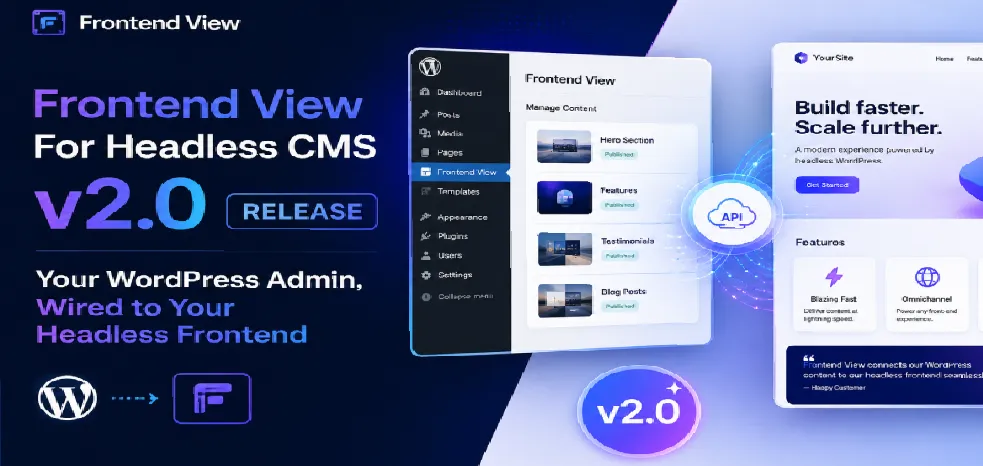
Today we’re shipping version 2.0 of Frontend View For Headless CMS—a major release built around one idea: make wp-admin feel like it’s connected to your frontend, without hijacking your public WordPress URLs.
If you run WordPress as the content backend for a headless site, Next.js, Nuxt, Gatsby, Astro, or anything else—you already know the friction: editors live in wp-admin, but the real site lives somewhere else. Clicking View on a post still points at your WordPress URL. Preview links don’t match your frontend routes. Custom post types and taxonomies rarely line up one-to-one with how your app is structured. Frontend View For Headless CMS v2.0 is your answer.
What changed in 2.0 (and why it matters)
In earlier versions, the plugin redirected visitors from WordPress front-end URLs to your headless site. That worked for some setups, but it could surprise teams who still needed WordPress URLs for APIs, legacy paths, or mixed architectures.
2.0 takes a cleaner approach: it rewrites links inside wp-admin so editors always land on the right frontend URL, without forcing 301 redirects on your public WordPress site.
That means:
View on posts, pages, and custom post types opens your frontend.
View on taxonomies, categories, and users does the same.
The admin bar Visit Site and site title link go to your configured frontend home.
Links open in a new tab, so editors keep their WordPress session open while checking the live site.
If you’ve been waiting for a headless workflow that respects both WordPress and your frontend, this is the release we built for you.
Redesigned settings experience
The Frontend View Settings page has been rebuilt from the ground up: clearer layout, inline help, a quick-start guide, and links to support and reviews. You’ll also find a Settings shortcut right on the Plugins screen—no more hunting through menus.
Slug mapping that matches your routes
Your Next.js app probably doesn’t use WordPress’s default rewrite slugs. 2.0 lets you align paths without touching code:
Author slug — map WordPress author archives to your frontend segment (e.g. author → team).
Per-taxonomy overrides — rename category/tag bases to match your router.
Per–post-type overrides — do the same for custom post types.
Empty slug — strip a taxonomy or CPT base entirely so /products/my-item/ becomes /my-item/ when your frontend uses flat routes.
Flexible preview paths
Draft and preview links can use a custom path segment (default /preview/, or whatever your app expects, e.g. /draft/post-slug/). Toggle it on only when you need it.
Safer editing workflow
Every rewritten frontend link in admin gets target=”_blank” and rel=”noopener noreferrer”. Check the live page, then jump straight back to the editor.
Bug fix: redirection issues resolved
We addressed redirection problems reported in earlier releases as part of this architectural shift—admin link rewriting is now the primary, predictable behavior.
Who is this for?
Frontend View For Headless CMS is for teams who:
Use WordPress for content and a JavaScript framework (or static site) for the public site.
Pull data via REST API, GraphQL, or a custom layer.
Want editors to preview and verify content on the real frontend from familiar WordPress list and edit screens.
It does not replace your frontend, your routing, or your build pipeline. It connects the dots between WordPress admin and the URLs you’ve already built on the other side.
Works with WordPress 5.0+, tested up to 6.9, and requires PHP 7.2+. Multisite is supported—configure the frontend URL per site as needed.
Go to Frontend View Settings (or Plugins → Settings on the plugin row).
Enter your frontend URL—e.g. https://www.yoursite.com (no trailing slash).
Optionally map slugs, enable custom preview paths, and set Empty slug where your routes need it.
Open any post list, click View, and confirm it opens your headless site in a new tab.
That’s it. No theme changes. No frontend deploy required for basic setup.
Upgrading from 1.x?
Version 2.0 is a major update. After upgrading:
Re-check your frontend URL in settings—it’s still the foundation of every rewritten link.
Review slug mapping if your frontend uses custom paths for CPTs, taxonomies, or authors.
Note the behavior change: public WordPress URLs are no longer redirected to your frontend by default; link rewriting happens in wp-admin instead. If you relied on front-end redirects, plan your routing accordingly (or reach out—we’re happy to help).
Most sites will feel an immediate improvement: editors click View and see the site they actually ship.
Part of the headless toolkit
2.0 sits alongside other Dropndot plugins built for decoupled WordPress:
Content Revalidation Tracker — trigger secure on-demand revalidation when content changes (ideal for Next.js, Nuxt, Gatsby).
Dropndot Post Subtitle — subtitles with Gutenberg, Classic Editor, REST, and GraphQL support.
Together, they help you ship headless sites without sacrificing the WordPress editorial experience.
Try 2.0 today
Frontend View For Headless CMS 2.0 is available now on WordPress.org.
If it saves your team a few confused clicks a day, we’d love to hear about it—leave a review on the plugin page or drop us a line at [email protected] headless building, The Dropndot Solutions team
As we move deeper into 2026, the IT industry stands at a pivotal crossroads. Rapid technological innovation continues to reshape how businesses operate, how professionals work, and how societies interact with digital systems. Technologies such as Artificial Intelligence (AI), automation, cloud computing, big data, and cybersecurity are no longer emerging trends; they are now core drivers of global economic growth.
About the technology sector, it is clear that 2026 presents a unique combination of complex challenges and unprecedented opportunities. Organizations that fail to adapt risk falling behind, while those that invest strategically in innovation, security, and talent development are positioned to lead the future.
The State of the IT Industry in 2026
IT has evolved from a support function into the backbone of modern enterprises. Today, every industry, healthcare, finance, education, manufacturing, retail, and logistics, relies heavily on digital infrastructure and intelligent systems.
In 2026, organizations are increasingly cloud-native, data-driven, and automation-focused. Decision-making is powered by real-time analytics, customer experiences are enhanced through AI-driven personalization, and operational efficiency is achieved through intelligent automation. However, this progress also introduces new risks, skill gaps, and regulatory complexities that must be managed carefully.
Key Challenges Facing the IT Industry in 2026
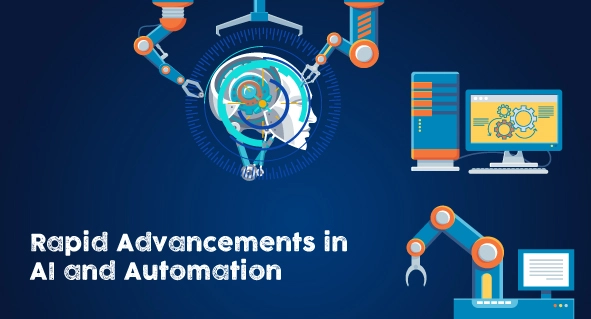
1. Rapid Advancements in AI and Automation
AI and automation technologies are advancing at an extraordinary pace. While these tools significantly improve productivity and reduce operational costs, they also require continuous workforce upskilling. Traditional job roles are being redefined, and new roles are emerging that require advanced technical and analytical skills.
For IT professionals, lifelong learning is no longer optional; it is essential. For organizations, the challenge lies in reskilling existing employees while maintaining productivity and innovation.
2. Increasing Cybersecurity Threats
As digital ecosystems expand, cybersecurity threats are becoming more frequent and sophisticated. In 2026, cyberattacks leverage AI, social engineering, and automation to exploit vulnerabilities faster than ever before.
Ransomware attacks, data breaches, and supply-chain vulnerabilities pose significant risks not only to large enterprises but also to small and medium-sized businesses. Cybersecurity has shifted from a technical concern to a board-level business priority.
3. Talent Shortages in Emerging Technologies
Despite the growing demand for IT solutions, there is a global shortage of skilled professionals in areas such as AI, machine learning, cloud architecture, cybersecurity, DevOps, and data analytics.
This talent gap increases hiring costs, delays digital transformation projects, and intensifies competition for skilled professionals. Organizations must focus on training, retention, and global hiring strategies to overcome this challenge.
4. Data Privacy and Regulatory Compliance
Data has become one of the most valuable assets in the digital economy. At the same time, governments worldwide are enforcing stricter data protection and privacy regulations. Compliance with diverse regional laws presents a significant challenge for global organizations.
Failure to manage data responsibly can result in financial penalties, legal issues, and long-term damage to brand reputation.
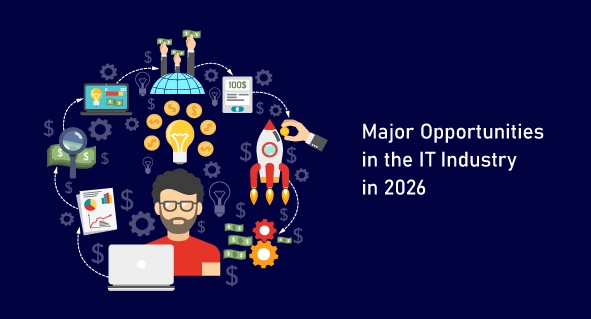
Major Opportunities in the IT Industry in 2026
1. AI, Cloud Computing, and Intelligent Automation
AI-driven solutions and cloud computing platforms are enabling organizations to scale faster, innovate smarter, and operate more efficiently. Intelligent automation reduces repetitive tasks, allowing human talent to focus on strategic and creative initiatives.
Cloud-native architectures also provide flexibility, cost efficiency, and resilience, making them essential for modern digital enterprises.
2. Remote and Hybrid Work Models
Remote and hybrid work models are now a permanent part of the IT industry. In 2026, companies can access global talent pools without geographic limitations, while professionals can work on international projects from anywhere in the world.
This shift increases diversity, reduces operational costs, and accelerates innovation across distributed teams.
3. Rising Demand for Cybersecurity and Data Analytics Experts
As cyber threats grow, so does the demand for skilled cybersecurity professionals. Similarly, data analytics and data science have become critical for extracting actionable insights and driving informed business decisions.
These domains offer strong career stability and long-term growth potential for IT professionals.
4. Digital Transformation Across Industries
Digital transformation initiatives are accelerating across healthcare, finance, education, manufacturing, and government sectors. Technologies such as telemedicine, fintech platforms, e-learning systems, and smart automation solutions are redefining service delivery and customer experience.
This transformation creates vast opportunities for IT service providers, software developers, and technology consultants.
Strategies for Success in the IT Industry in 2026
To remain competitive in 2026, organizations and professionals must adopt a forward-thinking approach:
Continuous Learning: Invest in ongoing training and skill development
Security-First Mindset: Prioritize cybersecurity and risk management
Agility and Adaptability: Embrace rapid change and innovation
Responsible Innovation: Balance technological advancement with ethical and regulatory considerations
Conclusion
The IT industry in 2026 is defined by rapid change, intense competition, and extraordinary opportunity. While challenges such as talent shortages, cybersecurity risks, and regulatory complexity continue to grow, the potential for innovation and value creation is greater than ever.
Organizations that embrace continuous learning, invest in secure, scalable technologies, and innovate responsibly will not only survive but also thrive in this dynamic digital era.
The future of IT belongs to those who are prepared to think ahead, adapt quickly, and lead with innovation.
In nowadays’s speedy-paced digital world, productivity is no longer approximately operating longer hours; it’s approximately operating smarter. Many experts and agencies wage war day by day, feeling crushed regardless of their steady attempts. The reason is regularly easy: damaged or inefficient systems.
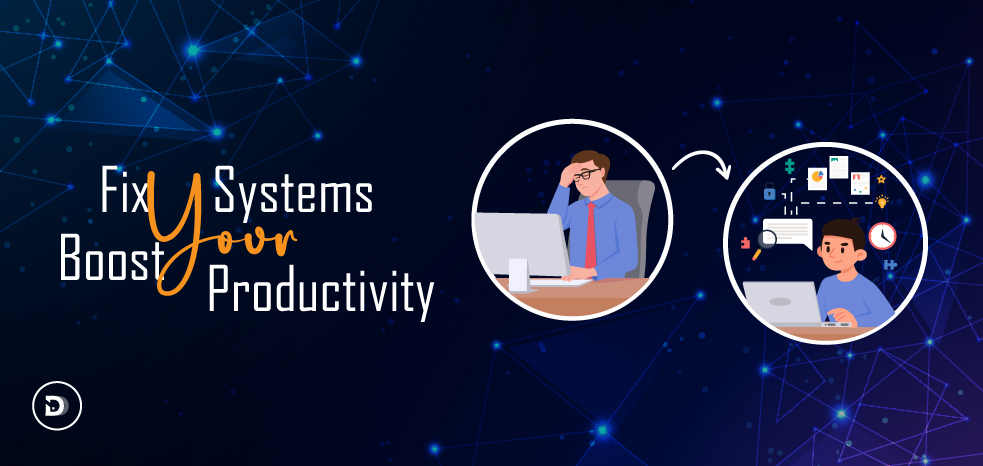
The visual message in the image truly highlights this comparison. On one facet, a confused expert is surrounded by confusion and overload. On the other hand, a relaxed, centered person supported via structured systems, automation, and virtual tools.
The distinction between the two isn’t expertise or attempt; it’s gadget layout.
This article explores why fixing your systems is the fastest manner to enhance productivity, lessen pressure, and achieve sustainable increase.
Understanding the Real Productivity Problem
Most productivity issues do not come from humans; they come from techniques.
When systems are not really defined, even professionals experience frustration, distraction, and exhaustion. The result is behind-schedule projects, ignored opportunities, and declining overall performance.
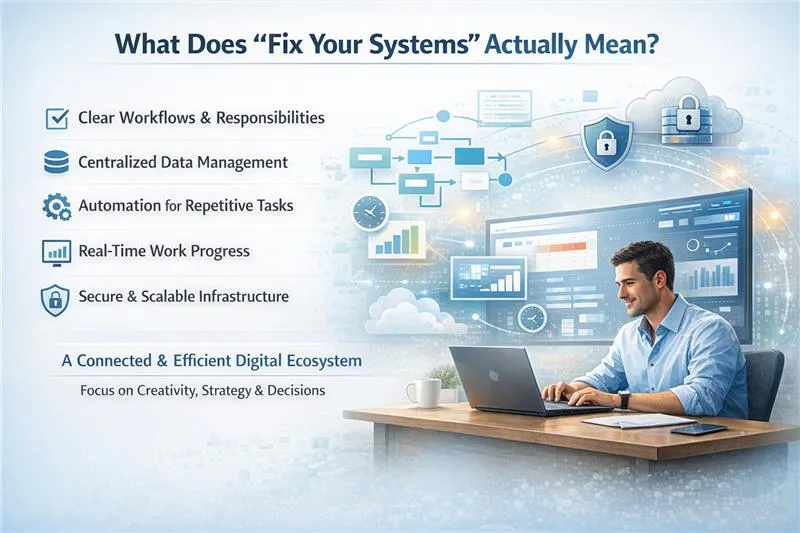
What Does “Fix Your Systems” Actually Mean?
Fixing your structures does not mean putting in a random software program or including extra tools. It involves constructing a nicely-related digital ecosystem where every process helps productivity.
A sturdy device includes:
Clear workflows and responsibilities
Centralized data management
Automation for repetitive tasks
Real-time visibility into work progress
Secure and scalable digital infrastructure
When structures are painted properly, people can focus on creativity, strategy, and decision-making in place of habitual tasks.
How Smart Systems Boost Productivity
1. Clear Workflow = Faster Execution
When tasks follow a structured process, teams know:
What to do
When to do it
Who is responsible
This eliminates confusion and prevents delays.
2. Automation Reduces Human Error
Automating repetitive tasks such as:
Data entry
Notifications
Reporting
File synchronization
saves time and minimizes costly mistakes.
3. Better Time Management
With digital systems tracking deadlines, priorities, and progress:
You’re scrolling through your feed, see an ad that stops you in your tracks, and suddenly you click. That feeling — the one where an ad feels a little too personal but not creepy — is no accident. It’s the result of good Facebook marketing. If you run a small business, a side hustle, or manage marketing for a nonprofit, Facebook (yes, still) can meaningfully move the needle when you use it the right way.
Below I’ll walk you through the smart, realistic approach to Facebook marketing: what to focus on, what to avoid, and how to build campaigns that feel human — not robotic.
Table of Contents
Why Facebook Marketing still matters
The basics: audience, creative, and budget
Organic vs. paid — and how to blend them
Step-by-step: a simple Facebook campaign you can launch today
Common mistakes (and how to fix them)
Practical tips for creative that converts
Measuring success: the metrics that matter
Quick-case: a real-world micro-story
FAQ — short, helpful answers
Final thoughts
Why Facebook Marketing still matters
You might’ve heard that Facebook is “dead.” That’s not true. People still spend lots of time there — and more importantly, they’re reachable, trackable, and often in a buying frame of mind. The platform mixes social context (friends, groups, trusted pages) with powerful ad targeting and straightforward measurement. That combo is hard to beat for many goals: lead gen, local foot traffic, product sales, and brand awareness.
And here’s the human truth: people buy from people (or brands that feel like people). Facebook is the place to build that relationship — slowly and deliberately.
Use custom audiences (website visitors, email lists) and lookalikes.
Don’t spray and pray — start narrow, then broaden.
2. Creative (what)
Visuals that stop the scroll. Short, clear text. A single, obvious CTA.
Test a big image vs. a short video vs. carousel. See what resonates.
3. Budget (how much & how fast)
Small budgets can still be effective. Start with $5–$15/day for testing.
Once something works, scale what performs, not everything.
Organic vs. paid — and how to blend them
Organic posts build trust, paid ads build reach. Treat them like teammates, not rivals.
Organic content: behind-the-scenes, customer stories, short tips, polls. Use this to warm your audience and establish voice.
Paid content: focused messages with clear conversions — newsletter signups, product pages, or event registrations.
Pro tip: Use organic posts as creative tests. If a post performs well organically, boost it — that often yields efficient paid results.
Step-by-step: a simple Facebook campaign you can launch today
Want something practical? Follow these steps.
Pick one objective (traffic, leads, conversions). Don’t chase all at once.
Create a custom audience — e.g., people who visited a product page in the last 30 days.
Design two creatives: a short 15–30 second video and a single-image ad.
Write two headlines and two primary texts (short and conversational).
Set budget: $10/day for 7 days.
Run A/B test: video vs. image. Check CTR, CPC, and conversion rate after 72 hours.
Pause losers, scale winners: push 2–3x budget to best performer and create variation to avoid ad fatigue.
This is simple, repeatable, and doesn’t need a massive budget.
Common mistakes (and how to fix them)
Mistake: Targeting everyone. Fix: Start with a narrow customer profile and use lookalikes to expand.
Mistake: Relying on one ad creative. Fix: Rotate creatives every 7–10 days and use multiple formats.
Mistake: Ignoring the post-click experience. Fix: Make sure your landing page matches the ad message and loads fast.
Mistake: Chasing vanity metrics (likes, impressions). Fix: Focus on metrics tied to your goal: conversions, leads, cost-per-acquisition.
Practical tips for creative that converts
Lead with benefit, not feature. Say what the reader gains in the first 3 seconds.
Use micro-stories. “I used to struggle with X until I tried Y” — short, real, relatable.
Add social proof. A quick quote or star rating beats empty claims.
Make the CTA obvious and low-friction. “Get your free 3-day meal plan” beats “Learn more” for conversion.
Use captions on video. Many watch without sound.
Test mobile-first design. Most users are on phones — 9:16 videos can outperform landscape.
Measuring success: the metrics that matter
Different goals need different KPIs. Here are the ones that actually tell you something:
Traffic objectives: Click-through rate (CTR) and cost per link click.
Lead gen: Cost per lead (CPL), lead quality (are they converting later?).
Sales: Return on ad spend (ROAS), cost per purchase, conversion rate.
Branding: Reach and ad recall lift (if you run brand campaigns).
And don’t forget retention metrics: repeat purchase rate and lifetime value. Ads that bring high-LTV customers are far more valuable than cheap one-time buys.
Quick-case: a real-world micro-story
A small bakery owner I worked with tried running product images as ads for months with mediocre results. We switched approach: filmed a 20-second clip showing a baker pulling fresh croissants from the oven, overlaid a short line: “Fresh in 20 minutes, get 15% off today.” We targeted locals within a 5-mile radius and used a “Get Directions” CTA. Result: foot traffic went up 18% in two weeks and the ad’s cost-per-store-visit was better than their previous coupon mailers. Simple, human, and relevant.
FAQ
Q: Do I need tons of followers to make Facebook ads work? Nope. Ads don’t depend on followers. They depend on targeting, creative, and a solid offer. Followers help with organic reach, but paid campaigns can reach people who’ve never seen your page.
Q: How often should I change ad creative? Rotate every 7–14 days, or sooner if performance drops. Fresh creatives reduce ad fatigue and keep costs lower.
Q: Should I run ads on Instagram too? Yes, if your audience is there. Instagram often performs well for visual products. Use Meta’s ad setup to test cross-placement performance.
Q: What if my ads get a lot of comments — both positive and negative? Engage with positive comments quickly. For negative ones, respond calmly, offer help, and move the conversation to a private channel when needed. Moderation policy is important — don’t delete constructive criticism.
Q: Is Facebook good for B2B? It can be. For local or small B2B (agencies, consultants), it works well. For enterprise B2B, LinkedIn might be better for direct decision-maker targeting.
Facebook marketing isn’t about tricks; it’s about understanding people and giving them a clear reason to act. Start small, be human in your messaging, measure what matters, and don’t be afraid to test. One well-crafted ad — the kind that tells a short story, respects the viewer, and solves a real problem — will do more than a hundred generic promos. Want help sketching an ad concept for your business right now? Tell me what you sell and I’ll sketch three headline + image ideas.
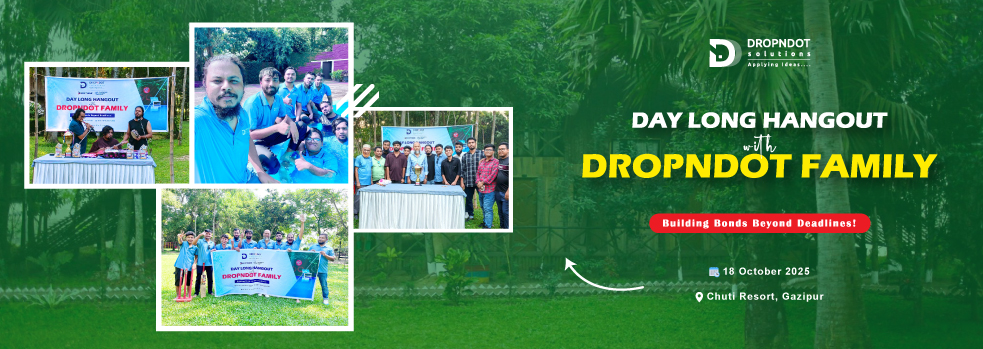
At Dropndot Solutions, we agree that robust teams are built not handiest through first-rate work but also through shared studies, laughter, and meaningful bonding. Our Day-Long Hangout in Gazipur became the perfect instance of that philosophy. It turned into a day full of pleasure, rest, sports, games, song, and unforgettable memories created by the complete Dropndot family.
What made this hangout sincerely unique was the way it introduced everyone collectively — colleagues, leaders, kids, and households — all celebrating togetherness most beautifully. From cricket and swimming to making a song and prize-giving, each moment was full of exhilaration.
A Day Away From the Usual Routine
The day began vivid and early, with the Dropndot colleagues gathering for a clean getaway from office paintings and metropolis noise. As we traveled to the Gazipur Resort, the temperature changed to pleasant, with conversations, jokes, and a lively atmosphere, developing the perfect start for a long-awaited day.
Once we arrived, the greenery, calm environment, and scenic splendor of the lodge right away boosted everybody’s spirits. It felt like the correct retreat — the kind that refreshes your thoughts and helps you reconnect with your crew on a personal level.
Our Day-Long Hangout wasn’t just about taking a ruin; it became approximately growing tremendous memories at the same time as strengthening our subculture of teamwork, joy, and togetherness.
Cricket: The Star Activity of the Day
Our day started with the most-awaited occasion — the Dropndot Cricket Tournament. Divided into groups, each facet was eager to prove its mettle. The ground echoed with cheers, laughter, and pleasant banter.
The players showed substantial strength, and the suits were interesting from the first ball to the final. Every boundary and wicket becomes celebrated with enthusiasm. Even folks who weren’t playing became passionate cheerleaders, waving towels and shouting phrases of encouragement.
In the stop, there had been winners, but greater importantly, there has been teamwork — a reminder that whether or not on the sector or within the office, collaboration and communication are what lead us to achievement.
A Refreshing Time in the Swimming Pool
After the heated cricket fit, each person welcomed the cool waters of the swimming pool. The poolside quickly became one of the happiest corners of the motel. Some swam, a few floated, a few splashed water on every other; however, everybody laughed and loved to the fullest.
The pool fun became an outstanding reminder that after the Dropndot circle of relatives comes together, titles and roles fade into the background — what remains is friendship.
Delicious Lunch in a Beautiful Setting
We were greeted with a sumptuous buffet lunch filled with rice, beef, mutton, chicken, salads, drinks, sweets, and snacks at the day-long hangout. People crowded the tables, talking and laughing and passing food.
This mealtime was about more than food; it was about connection. Teams who might normally work in different departments were sitting alongside each other, sharing stories of their experiences. Chats started naturally, and sweet friendships were formed.
Poem Recitations, Song Performances & Heartwarming Moments
The talent showcase was one of the most unforgettable times at the day-long hangout. Poems were whispered and chanted by the children with innocence and charm, and made the air full of happiness and applause.
We also sang among our colleagues, some of the usual songs, some modern hits, creating some musical moments of unity. Such performances not only entertained the group but also emphasized the fact that the Dropndot family is very vibrant and talented.
Poems were whispered and chanted by the children with innocence and charm, and made the air full of happiness and applause.
We also sang among our colleagues, some of the usual songs, some modern hits, creating some musical moments of unity. Such performances not only entertained the group but also emphasized the fact that the Dropndot family is very vibrant and talented.
Fun Games: Playfulness That Made Everyone Smile
To make the day even more entertaining, we arranged several games that made all of us competitive.
The most interesting activity was the Chair for Future Parents game — it was fun, exciting, and full of hilarious moments. Everyone enjoyed participating or cheering for their favorite contestant.
Other activities, teamwork games, and group challenges also kept everyone busy throughout the afternoon. In the end, it wasn’t about winning — creating memories and playing together became the best part of the day.
Prize-Giving Ceremony: A Celebration of the Day
When the activities came to an end, it was time to celebrate the victors of the day. The Dropndot leadership awarded and congratulated the winners of the cricket tournament, fun games, and talent performances.
However, the medals and awards were not the most important part — the greatest reward was seeing the smiles on everyone’s faces. The prize-giving ceremony perfectly concluded the spirit of the day-long hangout: joy, unity, encouragement, and recognition.
Capturing the Best Moments
All day long, thousands of photos were made – group shots and candid shots and funny shots, and emotional moments. These are the pictures of the core of the Dropndot family – united, joyful, and vibrant.
A common drive was made such that each one could post and also access their favorite memories. There will be no doubt that these photos will be valuable reminders of our gorgeous day-long hangout.
What the Team Had to Say
Here are some reflections from the Dropndot family:
“Best hangout ever! Cricket, swimming, singing — we enjoyed every moment.” — Nisarul Amin Naim
“I loved how the entire team enjoyed themselves as one big family. The day was perfect.” — Golam Nobi Aunto
“The games and pool time were unforgettable. Already looking forward to the next hangout!” — Istiaque Ahmed
“Although I couldn’t join the hangout this time, seeing everyone’s pictures, videos, and happy faces truly made me feel connected. It’s wonderful to see the Dropndot family enjoying such a memorable day together. I’m already looking forward to joining the next one, InshaAllah.” — Anwar Pervez
These thoughts only highlight how meaningful this day was for all of us.
Why Day-Long Hangouts Matter for Dropndot
In Dropndot Solutions, we do not just consider productivity and innovation but also the happiness and health of our staff. A day-long hangout like this:
reduces stress
builds trust
strengthens communication
encourages creativity
improves team bonding
creates lasting memories
Research indicates that recreational activities have a great impact on workplace culture, motivation, and cooperation – and we have realized it in Gazipur.
Wrapping Up the Day: Tired but Happy
In the evening, we were ready to go back to Dhaka – we were exhausted, yet joyous. The ride in the bus was completed with lots of talk, jokes, and recollections about the day. The good energy we had remained with us even after the day-long hangout was over.
Would not only take a break but also an experience at this hangout that drew us closer as a team and as a family.
Dropndot’s Culture: Work, Growth, and Celebration
This is what we cherish at Dropndot Solutions: unity, creativity, celebration, and family, which were strengthened through this day-long hangout in Gazipur. It helped to remember that all successful projects have a team of people who are united by trust and friendship.
The experience of this hangout will keep inspiring us to work even more effectively and strive to accomplish more as we proceed with our exciting projects, products, and innovations.
Memories That Will Stay With Us
The memories on this day will be a source of inspiration as we go on our trip in 2025. It can be a new plug-in we are creating, a new user interface we are designing, or a new digital product we are releasing; the culture of togetherness we established at Gazipur will keep us moving.
The Dropndot Annual Picnic 2025 was not just a getaway; it was a statement that at the core of every successful organization is a great, happy, and united team.These are some of the memories that will, as we get back to our desks, still have us all wanting to work together, dream more, and keep the spirit of our company alive in our daily lives.
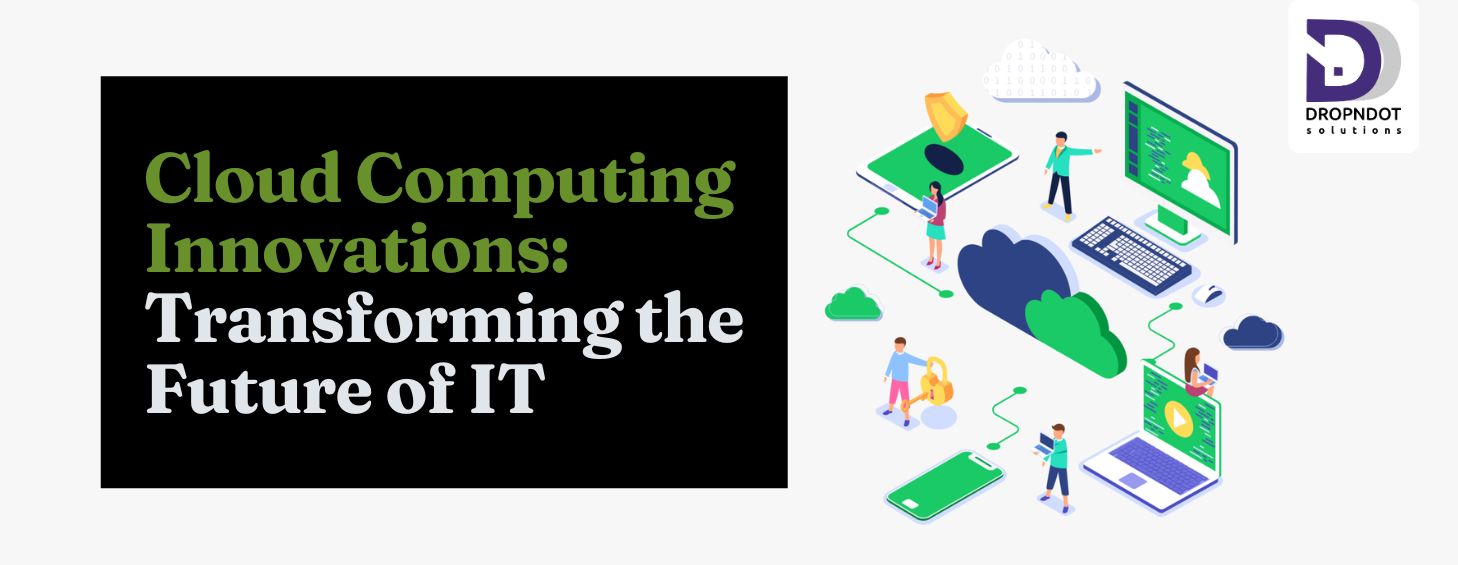
Cloud Computing Innovations: Transforming the Future of IT refers to the latest advancements and technological breakthroughs in cloud computing that are reshaping the IT landscape. These innovations in cloud computing are driving efficiency, scalability, and flexibility in IT infrastructure, enabling businesses to accelerate their digital transformation, optimize costs, and enhance their overall performance. Through these cloud computing innovations, organizations can stay competitive and adapt to the rapidly evolving technological environment.
Importance of Cloud Computing in IT
Cloud computing innovations have fundamentally transformed IT infrastructure by shifting the paradigm from traditional on-premises solutions to scalable, on-demand services accessible via the Internet. This shift has democratized access to advanced computing resources, enabling businesses of all sizes to leverage sophisticated technologies without significant upfront investments in hardware and software. For organizations, the benefits of cloud computing include reduced capital expenditures, increased flexibility to scale resources as needed, and the ability to innovate rapidly with access to the latest technologies. Individuals also benefit from the cloud through enhanced accessibility to applications and services from anywhere, on any device, which supports a more collaborative and efficient workflow. Cloud computing has facilitated a range of innovations, from big data analytics to artificial intelligence and machine learning, providing a robust foundation for technological advancement.
Purpose of the Article
The purpose of this article is to delve into the transformative impact of cloud computing innovations on the future of IT. By exploring the latest advancements in cloud technologies, we aim to uncover how these innovations are reshaping the IT landscape and driving future growth. This article will examine how emerging trends such as serverless computing, edge computing, and AI integration are not only enhancing existing IT infrastructures but also creating new opportunities for businesses and individuals. Through detailed analysis, the article seeks to highlight the pivotal role of cloud computing in the ongoing digital transformation, offering insights into how these innovations are setting the stage for the next era of technological advancement and shaping the future trajectory of the IT sector.
Overview of Cloud Computing
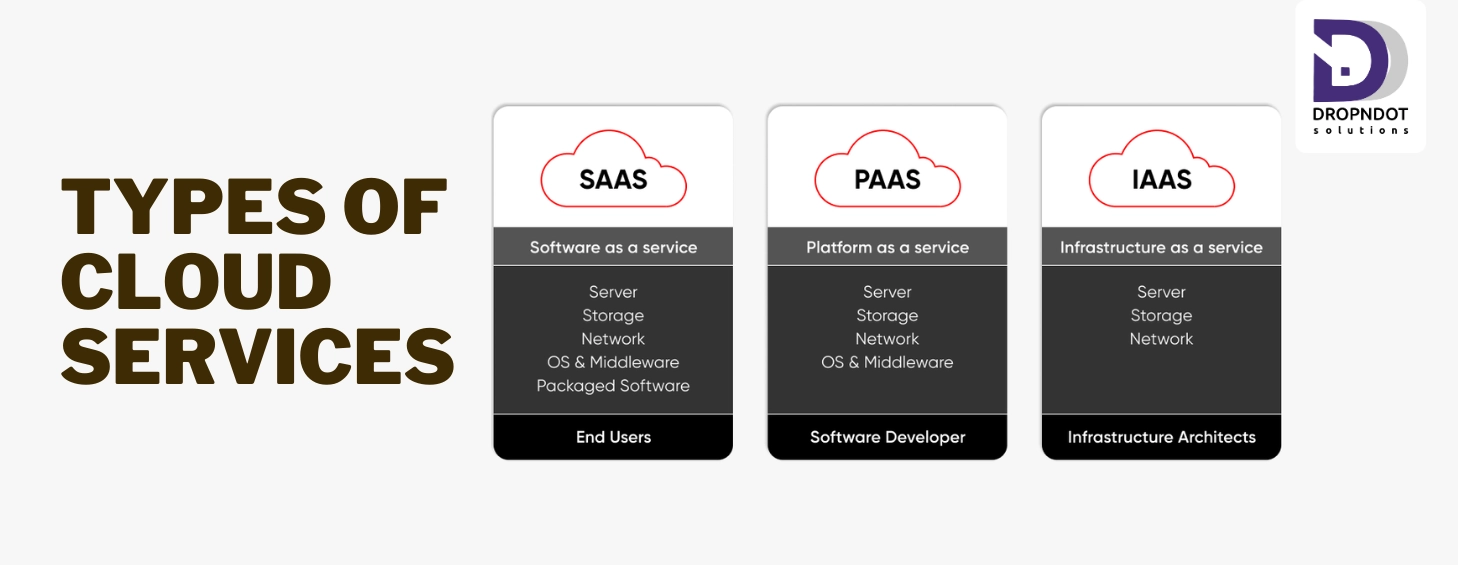
Types of Cloud Services
Cloud computing innovations have revolutionized the way IT services are delivered and consumed, offering a range of solutions that cater to diverse needs and preferences. At the heart of this transformation are the various types of cloud services, each providing unique capabilities and benefits.
Infrastructure as a Service (IaaS) is a cloud computing model that delivers virtualized computing resources, including servers, storage, and networking, over the internet, allowing users to scale and manage their IT infrastructure on demand without needing to invest in physical hardware.
Platform as a Service (PaaS) extends this concept by providing a development platform and environment for developers to build, deploy, and manage applications without worrying about the underlying infrastructure. PaaS solutions include tools and frameworks for application development, such as databases, development frameworks, and middleware, which streamline the development process and support innovation.
Software as a Service (SaaS) delivers complete, ready-to-use applications over the Internet, eliminating the need for local installations and maintenance. SaaS applications, such as CRM systems, office productivity suites, and collaboration tools, offer users immediate access to software functionalities on a subscription basis, fostering convenience and accessibility.
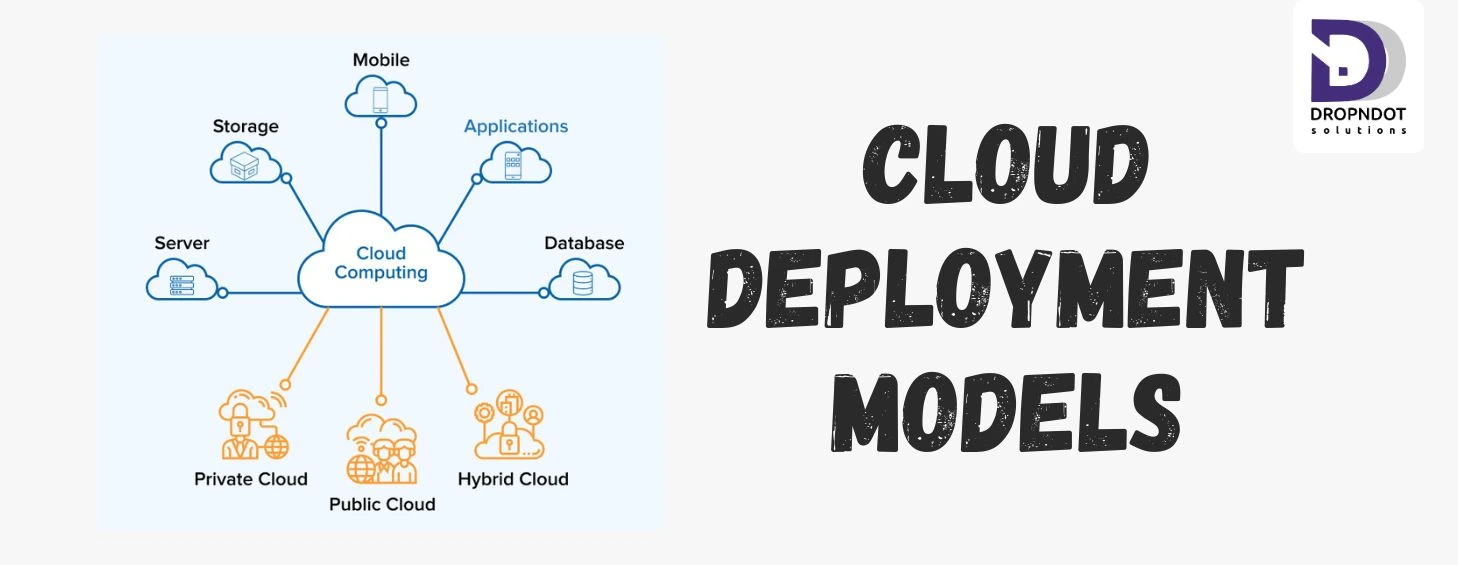
Cloud Deployment Models
In addition to these service models, cloud computing innovations are defined by various deployment models that offer different approaches to cloud resource management.
The Public Cloud model provides services to multiple customers through a shared infrastructure, offering scalability and cost-efficiency for businesses seeking to access advanced computing resources without the complexities of managing their hardware.
Conversely, the Private Cloud model offers a dedicated environment exclusively for one organization, delivering enhanced control, security, and customization options tailored to specific business needs.
The Hybrid Cloud model combines elements of both public and private clouds, allowing organizations to integrate on-premises infrastructure with cloud services to achieve a balance between flexibility, security, and cost-effectiveness.
Key Innovations in Cloud Computing
Serverless Computing
Cloud computing innovations continue to reshape the landscape of IT, introducing new paradigms and technologies that drive efficiency, scalability, and innovation. One such breakthrough is serverless computing, which allows developers to run code without the need to manage the underlying infrastructure. By enabling the execution of code in response to events, serverless computing abstracts away server management, scaling automatically with demand and charging only for actual usage, thereby reducing operational costs and complexity. Common use cases include event-driven applications, real-time file processing, and backend services for web and mobile applications. For example, platforms like AWS Lambda and Azure Functions empower developers to build and deploy functions rapidly, enhancing agility and time-to-market for new features.
Edge Computing
Edge computing is another critical innovation that complements cloud computing by processing data closer to its source, such as IoT devices or local data centers. This approach significantly reduces latency and improves real-time data processing capabilities, essential for applications requiring immediate insights and responses, such as autonomous vehicles, smart cities, and industrial automation. By offloading some computational tasks to the edge, cloud computing can handle less critical or more data-intensive tasks centrally, resulting in a more efficient overall system.
Artificial Intelligence and Machine Learning Integration
The integration of artificial intelligence (AI) and machine learning (ML) within cloud platforms has revolutionized data processing and analytics. Cloud providers offer a range of AI/ML services that simplify the development and deployment of intelligent applications. Services such as Google Cloud AI, AWS SageMaker, and Azure Machine Learning facilitate the development, training, and deployment of machine learning models, making it easier to derive insights from vast amounts of data. These cloud-based AI/ML services have enhanced capabilities in predictive analytics, natural language processing, and computer vision, driving innovation across various sectors from healthcare to finance.
Quantum Computing
Quantum computing represents a futuristic leap in cloud computing innovations, promising to solve complex problems that are currently infeasible with classical computers. While still in the experimental phase, quantum computing holds potential for breakthroughs in areas like cryptography, material science, and complex system simulations. Cloud providers like IBM, Google, and Microsoft are actively investing in quantum research, offering early access to quantum processors through cloud platforms. These advancements signal a future where quantum computing could complement classical computing, providing unparalleled processing power for specific tasks.
Containerization and Kubernetes
Containerization and Kubernetes have also become pivotal in modern cloud environments, streamlining the deployment and management of applications. Containers package applications and their dependencies into lightweight, portable units that can run consistently across different environments. This approach enhances the efficiency, scalability, and reliability of software deployment. Kubernetes, an open-source platform for automating the deployment, scaling, and management of containerized applications, plays a crucial role in managing these containers. It provides features such as automated rollouts and rollbacks, service discovery, and load balancing, ensuring that applications run smoothly and efficiently in dynamic cloud environments. The widespread adoption of Kubernetes has streamlined DevOps practices and enabled organizations to build and deploy applications more rapidly and reliably.
Impact of Cloud Innovations on IT Infrastructure
Scalability and Flexibility
Cloud computing innovations have profoundly transformed IT infrastructure, bringing unparalleled scalability and flexibility, cost efficiency, enhanced security, and robust disaster recovery and business continuity solutions. One of the most significant impacts of cloud innovations is the ability to scale resources dynamically. Traditional IT infrastructure requires substantial investment in hardware and software to handle peak loads, often resulting in underutilized resources during off-peak times. In contrast, cloud solutions offer on-demand scalability, allowing businesses to scale their computing power, storage, and networking capabilities up or down based on current needs. For instance, Netflix utilizes AWS to handle massive surges in demand during peak viewing times, ensuring seamless user experiences without overprovisioning resources. This flexibility enables organizations to respond quickly to changing market conditions, deploy new applications faster, and innovate continuously.
Cost Efficiency
Cost efficiency is another critical benefit brought about by cloud computing innovations. By moving to the cloud, businesses can significantly reduce their capital expenditures, as they no longer need to purchase and maintain expensive hardware. Instead, they pay for the resources they use on a subscription or pay-as-you-go basis, transforming IT spending from a capital expense to an operational one. This model also eliminates the need for overprovisioning, further optimizing costs. For example, startups and small businesses can leverage cloud platforms like Google Cloud or Azure to access enterprise-grade infrastructure at a fraction of the cost, enabling them to compete with larger companies without substantial upfront investments.
Security Enhancements
Security has also seen remarkable advancements due to cloud computing innovations. Cloud service providers invest in advanced security technologies and practices to protect their customers’ data. These include encryption, multi-factor authentication, and sophisticated monitoring and threat detection systems. Providers like AWS, Microsoft Azure, and Google Cloud Platform offer comprehensive security frameworks that meet stringent industry standards and compliance requirements, such as GDPR, HIPAA, and SOC 2. For instance, AWS’s Shared Responsibility Model outlines clear security roles and responsibilities, ensuring robust protection of data and applications hosted in the cloud. These security measures help organizations mitigate risks and safeguard their digital assets more effectively than many could achieve with on-premises solutions.
Disaster Recovery and Business Continuity
Disaster recovery (DR) and business continuity (BC) have also been revolutionized by cloud computing innovations. Traditional DR solutions often require duplicate data centers and complex failover mechanisms, which can be costly and difficult to manage. Cloud-based DR solutions, however, offer more affordable and efficient alternatives. Services like Azure Site Recovery and AWS Disaster Recovery allow businesses to replicate critical data and applications to the cloud, ensuring rapid recovery in the event of an outage or disaster. These solutions provide automated failover and failback processes, minimizing downtime and ensuring business continuity. A notable case study is that of the airline industry, where companies like Southwest Airlines use cloud-based DR to maintain operations and protect customer data during unexpected disruptions, demonstrating the efficacy and reliability of these modern solutions.
Cloud Computing Innovations and Business Transformation
Digital Transformation
Cloud computing innovations are at the forefront of business transformation, playing a pivotal role in driving digital transformation across various industries. In the realm of digital transformation, cloud computing provides the foundational infrastructure that allows businesses to leverage emerging technologies such as big data analytics, artificial intelligence, and the Internet of Things (IoT). By enabling scalable and flexible computing resources, the cloud facilitates the rapid deployment of digital solutions, empowering organizations to innovate continuously and stay competitive. For instance, in healthcare, cloud platforms support telemedicine and electronic health records, improving patient care and operational efficiency. In finance, cloud computing enables real-time data processing and analytics, enhancing decision-making and risk management. Retailers use cloud-based e-commerce platforms to personalize customer experiences and streamline supply chain operations, demonstrating how cloud innovations drive digital transformation across sectors.
Agile Development and Deployment
Cloud computing also significantly enhances agile development and deployment methodologies, which are critical for modern software development. Agile methodologies emphasize iterative development, continuous integration, and rapid delivery of high-quality software. Cloud platforms provide the necessary tools and environments to support these practices, such as automated testing, continuous integration/continuous deployment (CI/CD) pipelines, and microservices architectures. By using cloud services, development teams can quickly provision and scale environments, deploy code updates seamlessly, and collaborate more effectively. This agility reduces time-to-market for new features and products, increases responsiveness to customer feedback, and improves overall software quality. For example, companies like Spotify and Netflix utilize cloud-based CI/CD pipelines to deliver frequent updates and new features, ensuring their platforms remain competitive and responsive to user needs.
Collaboration and Remote Work
Moreover, cloud computing innovations have revolutionized collaboration and remote work, making them more effective and efficient than ever before. Enhanced collaboration tools and platforms, such as Microsoft Teams, Slack, and Google Workspace, are built on cloud infrastructure, enabling real-time communication, file sharing, and project management from anywhere in the world. These tools facilitate seamless collaboration among geographically dispersed teams, breaking down traditional office boundaries and fostering a more flexible work environment. The impact of cloud-based collaboration is particularly evident in the rise of remote and hybrid work models, which have become more prevalent due to the COVID-19 pandemic. Businesses can now maintain productivity and continuity despite physical distance, thanks to reliable and secure cloud services that support remote access to critical applications and data. This shift has led to increased employee satisfaction and retention, as workers enjoy greater flexibility and work-life balance.
Future Trends in Cloud Computing
Increased Adoption of Multi-Cloud Strategies
Cloud computing innovations are setting the stage for future trends that will continue to transform IT. One significant trend is the increased adoption of multi-cloud strategies, where organizations utilize services from multiple cloud providers to optimize performance, avoid vendor lock-in, and enhance resilience. Multi-cloud environments offer numerous benefits, including greater flexibility, cost optimization, and the ability to leverage the best features of different providers. However, managing a multi-cloud strategy also presents challenges, such as increased complexity in integration, potential security risks, and the need for sophisticated orchestration tools. Despite these challenges, the prospects for multi-cloud adoption remain strong as businesses seek to balance risk, performance, and cost while taking advantage of diverse cloud offerings.
Growth of AI and ML in the Cloud
The growth of AI and ML in the cloud is another exciting trend driven by cloud computing innovations. Cloud providers are continually expanding their AI and ML services, offering platforms that facilitate the development, training, and deployment of machine learning models. Emerging services include automated machine learning (AutoML), which simplifies model creation, and AI-powered analytics tools that provide deeper insights into business data. As AI and ML technologies evolve, we can expect significant advancements in natural language processing, computer vision, and predictive analytics. These advancements will enable more sophisticated applications, such as personalized customer experiences, intelligent automation, and advanced decision support systems, further embedding AI and ML into everyday business operations.
Advancements in Cloud Security
Advancements in cloud security are also poised to shape the future of IT. As cyber threats become increasingly sophisticated, cloud providers are investing in advanced security technologies and protocols to protect their customers. Future security innovations may include enhanced encryption methods, AI-driven threat detection and response systems, and zero-trust security frameworks that ensure rigorous authentication and authorization processes. Additionally, the integration of blockchain technology for secure and transparent transactions could revolutionize how data integrity and security are maintained in the cloud. Anticipated trends in cloud security will focus on proactive threat mitigation, continuous monitoring, and automated incident response, providing robust defenses against evolving cyber threats.
Sustainability and Green Cloud Computing
Sustainability and green cloud computing are becoming increasingly important as environmental concerns grow. Cloud providers are making concerted efforts to develop more sustainable cloud solutions by optimizing energy efficiency, utilizing renewable energy sources, and implementing eco-friendly data center designs. Innovations aimed at reducing the environmental impact of cloud computing include advanced cooling technologies, energy-efficient hardware, and carbon-neutral cloud services. Companies like Google and Microsoft have committed to achieving carbon neutrality, with initiatives to power their data centers entirely with renewable energy. As these efforts progress, green cloud computing will not only reduce the carbon footprint of IT operations but also serve as a model for other industries striving for sustainability.
Conclusion
In conclusion, cloud computing innovations have significantly transformed the IT landscape by introducing key advancements such as serverless computing, edge computing, AI/ML integration, quantum computing, and containerization with Kubernetes. These innovations have enhanced scalability, flexibility, cost efficiency, security, and disaster recovery capabilities, driving digital transformation across various industries. Looking forward, the future of cloud computing promises even more exciting developments, including the widespread adoption of multi-cloud strategies, advancements in AI/ML services, heightened cloud security measures, and a strong emphasis on sustainability and green computing. These ongoing innovations will continue to revolutionize IT, enabling businesses to innovate rapidly, operate more efficiently, and create a more sustainable future.