Category: service

  • DevOps and Agile Methodologies: Increases Collaboration and Efficiency in Tech Teams

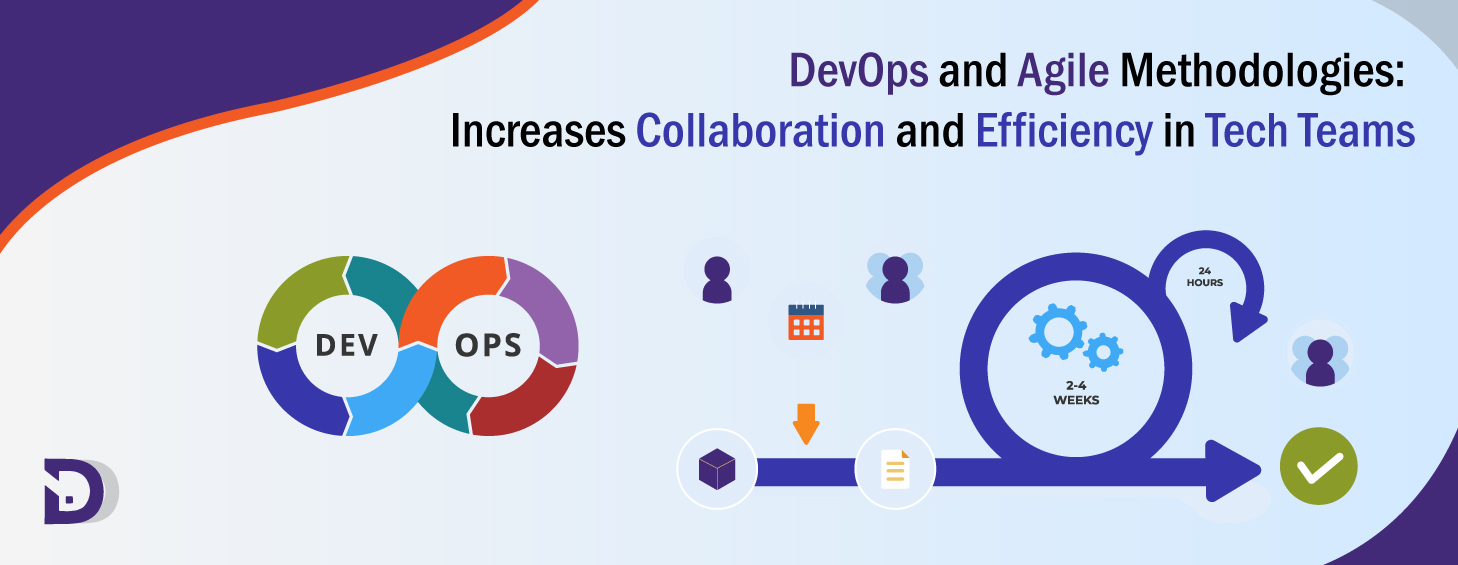
    DevOps and Agile Methodologies: Increases Collaboration and Efficiency in Tech Teams

    Introduction

    Definition and Overview..

    DevOps and Agile methodologies are well-known ways to improve the velocity of your modern software development, made brilliant by not just boosting collaboration but also optimizing operations. DevOps blends development (Dev) and operations or IT (Ops), all of which are focused on the speedy production of high-quality software. The topic was agile processes that use an iterative approach and self-organizing teams, and most significantly, it gave importance to customer feedback compared to traditional methods. The commonality The major thing both methodologies do is give priority to teamwork, communication, and a culture of continuous improvement. Tech teams are the optimal example of this, as collaboration is a critical component that directly impacts speed and success in software projects.

    Purpose of the Article

    In this blog, our primary goal is to explain how DevOps and Agile can improve the synergy among tech teams in any firm. This article looks at those methodologies to try and understand how they help create a better, more cohesive workplace by examining the principles, practices, and tools that surround them. The talk will cover how DevOps and Agile tear down silos, streamline processes and foster a culture of shared accountability leading to better outcomes on projects while making the most effective use of the team.

    Understanding DevOps and Agile Methodologies

    DevOps

    devOps

    DevOps is a set of practices that combines software development (Dev) and IT operations (Ops), which aims to deliver continuously, integrating them. Some core principles are Automation of processes, Collaboration Continuous Feedback & a new culture of shared responsibility. The ultimate aim is to cut down the software development lifecycle by not compromising on high-quality and resilient code.

    Common DevOps Tools and Practices: Automatically integrates code changes from multiple contributors, and ensures that these can be deployed quickly and reliably. To treat infrastructure provisioning as code+scripts that are also machine-readable Manage and provision computing (and potentially other) resources with computer-rendered scripts, a basic manifestation of meaning consistency & efficiency. Prometheus, Grafana & ELK Stack — Monitoring system performance and error logging to detect any problems before they occur Platforms such as Jenkins, Docker, Kubernetes, or Slack enable seamless process communication and automation between the DevOps team.

    Advantages of DevOps in Software Development and Operations: Increases the velocity with which it moves from development to production; this allows for quicker, more predictable releases. Removes silos between development and operations by fostering a more collaborative culture with common goals. This guarantees that your software is bug-free and more reliable, thus decreasing the possibility of bugs post-deployment. Streamlines infrastructure management making it easy to scale apps/services as required

    Agile Methodologies
    agile methodologies

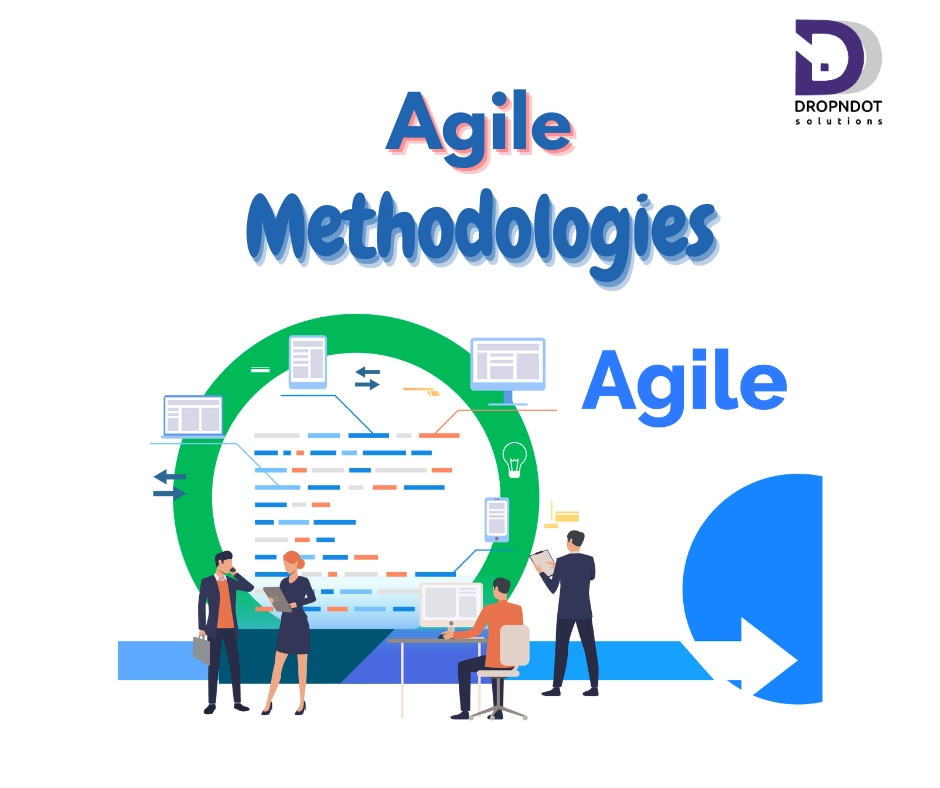
    Agile Methodologies: Agile methodologies are a group of software development approaches focused on iterative and flexible delivery for value, along with customer collaboration across iterations. Key concepts such as adjusting to change, regular delivery of working software, and collaboration with multiple parties throughout the project are more important than all else. By fostering a culture of ongoing improvement, Agile relies on the feedback loops built into it.

    The Advantages of Agile in Project Management and Development: Enables the team to adapt quickly when requirements, priorities, or market conditions change — ensuring that your final product meets stakeholder needs as they inevitably evolve. Continuous delivery and regular feedback loops will mean that your product remains parallel to what’s expected by the customers, this also helps in leading better customer satisfaction while at the same time reducing the risk of failure. Agile encourages a team to collaborate and work near its members and stakeholders together, which results in improved communication (inter-and intra) and understanding of what the goals are for this project. 

    Agile breaks projects down into small, manageable units and helps to keep them organized according to their importance so it allows features and improvements released faster. Festivities around retrospectives and iterative development entreat teams to examine performance each sprint, making course corrections that drive repeatable process improvement for optimized productivity AND quality.

    The Intersection of DevOps and Agile

    Complementary Nature

    DevOps & Agile Methodologies: DevOps and Agile methodologies have the same goal in sight which is to enhance the velocity and quality of software delivery. While Agile puts more impression on iterative development where the customer and developers continuously work together, DevOps underlines automation, operations efficiency, and continuous integration. Collectively, this helps create a complete software development and delivery pipeline from the moment you request code through to running in production ─ aligned with business goals.

    CI/CD (continuous integration, continuous deployment): This is a core DevOps practice that fits well with agile sprints and specifically ensures code changes are automatically integrated, tested, and deployed more frequently to production as opposed to the traditional longer time interval between when developers commit code into version control system until it reaches production. In an Agile sprint, teams develop work in short time-boxed development cycles to deliver small improvements or features. Agile sprints are improved upon when teams can quickly deploy their work at the end of each sprint using CI/CD pipelines. This enables fast, continuous delivery of the iterative development process alongside real-time deployment and feedback loops to build upon progress as it happens. When you incorporate CI/CD into Agile sprints, each sprint has the potential to deliver value to end users resulting in a deployable product increment at the end of that iteration.

    Shared Goals

    Value Delivery: One of the shared objectives for both DevOps and Agile methodologies is delivering value as fast, simply, and effectively to customers. Iterations of the development are regularly delivered allowing feedback to be continually added, automated and streamlined deployment is done in DevOps so that features/fixes can get into production much faster. Having this common focus means we can build the product based on real user needs and feedback which results in greater customer satisfaction…and often better alignment to business objectives.

    Iterative Development and Feedback Loops: The agile approach emphasizes iterative development in which, from one iteration to another, you repeatedly work on small pieces of capabilities that can be completed quickly. This fits in nicely with an iterative DevOps model that brings feedback loops throughout the development/deployment process— everything from automated testing to monitoring, and continuous delivery. By incorporating these feedback loops, issues are identified and addressed quickly which leads to continuous improvement of both the product as well as processes used in building it. That focus on iterating and feedback loops ensures greater cooperation within teams, as developers and operations personnel come together to see that every iteration is finished with a high level of quality while fulfilling the customer’s demand.

    Enhancing Collaboration in Tech Teams

    Breaking Down Silos

    Promote Cross-Functional Teams: One of the core values in DevOps and Agile methodologies is cross-functional teams made up of a mix of personnel with background experience in development, operations, and QA among other disciplines who come together to achieve one common goal. Cross-functional teams Split the typical silos and shame-free approach to Software development where everyone contributes knowledge & responsibility. DevOps and Agile methodologies foster collaboration between teams, making it easy to ensure everyone can work together towards the same outcomes by uniting them around shared objectives of priorities.

    Being Transparent and Open: open communication is an essential ingredient of both DevOps as well as Agile methodologies. Clusters and techniques like these drive continuous conversations with team members, stakeholders, customers, etc. With periodic updates, shared metrics, and a transparent view of the status of each project, everyone is on the same page. This type of open communication and transparency builds a strong foundation so that problems are captured early, resulting in reduced chances of misunderstandings hence higher collaboration between the team.

    Collaboration Tools and Practices

    Collaboration Tools (Slack, jira, confluence ): Communication tools are essential in the land of DevOps and Agile that support collaboration for project management, task tracking, and documentation.

    • Slack: Facilitates real-time communication and collaboration, enabling members of a team to discuss issues, post updates, or work together from different physically separated locations across time zones
    • Jira: Agile Software Among the best of breed in terms of popularity, the most widely used agile software for project management purposes by product teams. JIRA is a proprietary issue tracking product or say tool developed by Atlassian that allows bug tracking and deployment builds tasks to be expressed as ‘issues’ with its integration capability on its other products like Bitbucket ( source code repo)and Bamboo(Continuos Integration Server).
    • Confluence: Confluence, creates a solid foundation for your teams to document and share the knowledge they need every day in one central place.

    The difference is in the frequent stand-up, retrospective, and planning: Daily meetings that are a key practice of both DevOps and Agile methodologies with time for all team members to report about their work from yesterday, points out blocking situations experienced by each one and aligns on the goals for today. That is when agile retrospectives come into play, focusing on looking back into the team´s performance during a sprint and helping them identify areas of improvement and plan changes that can be made, generating continuous improvement. Collaborative sprint planning sessions allow the team to determine what will get done in enough detail for everyone on the team and add an element of rigor over a short-term horizon.

    Cultural Shifts

    Cultivating a Culture of Trust and Shared Responsibility: DevOps as well as Agile methodologies demand results in an entrenched culture where trust abides alongside the shoulders of shared responsibility. We encourage team members to own their tasks and will give guidance when they need it, but also expect that if you have a better idea or know how something should be done then we rely on your knowledge for this project to succeed. A culture of trust that encourages open, honest conversation not only allows people to look forward they also believe in themselves and their peers enough to see a radical new idea can work. Through sharing responsibility, these methodologies allow us to celebrate success together as a team which only makes collaboration and the unity of purpose stronger within teams.

    Stressing the Value of Team Unity and Mindful Ownership: In DevOps/Automated Server Environments, you will work in cohesion with multiple other workers where they expect each employee to control a large number of servers on their own. When no one can hide behind an excuse or a lack of knowledge, the team feels collective ownership and is more galvanized to make it work. In the world of DevOps and Agile methodologies, people as part of a team are supposed to mean exactly this having each other’s back where work shares its place & knowledge too regardless of difficult technical problems faced so that collaboration fosters well and delivers better results.

    Increasing Efficiency in Tech Teams

    Automation and Continuous Integration/Continuous Deployment (CI/CD)

    Automation: Automation is a key component of DevOps and Agile methodologies, which helps to cut down repetitive manual tasks that tend to be time-consuming or prone to errors. The ability to automate things like code testing, integration, and deployment means teams have a way of ensuring consistency (and therefore reliability) throughout all steps in the development lifecycle. Using Automation Can Also Create a Situation in Which Team Members Will No Longer Focus on Monotonous and Simple Tasks, Allowing Them to Use Time for More Important Things; and This Results in Work Being Completed Much Faster with Less Error!

    CI/CD Pipelines: Incubators in Whizzing Development Cycles CI/CD pipelines occupy the culmination of developer productivity originated when DevOps and Agile methodologies are orchestrated. Continuous Integration (CI) makes things easy by checking the code changes automatically and finally integrating relevant parts with the main branch, which helps teams figure out bugs as soon as possible. Continuous Deployment (CD) takes this a step further by automatically deploying code to production, allowing teams to push new features and updates quickly and collaboratively. CI/CD pipelines expedite development as the time between code in commit and production release is brought down, enabling quick responses to market demands or customer feedback.

    Agile Practices for Efficiency

    Development process: Agile methodologies focus on iterative development, a linear progression of constant feedback and work generally performed in short 1 to 4 weeks sprints. This way the teams can get feedback continuously and keep adjusting the product based on customer needs, preventing them from doing a lot of re-work at the end, hence decreasing risk. Feedback is essential – Regular continuous feedback allows the development teams to understand areas where there may be improvements and allows as well for fine-tuning of processes, which will, in turn, result in better outcomes delivered at greater speed.

    TIMEBOXING/Sprint Planning/Backlog Grooming: A method where a fixed unit of time is given to each task or activity to limit its completion within the specified timeframe and avoid scope creep. A sprint planning session is a collaborative process in which the Scrum team comes together to determine what will and won’t be worked on during the next iteration. Regular grooming and prioritization of the product backlog so that work is ready for teams to start on upcoming sprints, allowing them to highlight features first.

    Metrics and Continuous Improvement

    Measuring Team Performance with Metrics: Another key to both DevOps and Agile is metrics that give teams the hard numbers they need to evaluate their performance Areas for Teams up guide using Teams. The main metrics used are cycle time, lead time, deployment frequency, and defect rates all of which give insight into how effective teams deliver value as well as where bottlenecks can lie. This will help teams better align on implementing changes, ensure they have an understanding of the key contributors to efficiency, and when implemented consistently over a longer period holistically incentivize activities that reduce time.

    Use Continuous Improvement Processes: DevOps and Agile both depend on continuous improvement, with processes like Kaizen that encourage small changes in repeated cycles over a long period delivering big results. They continuously debate and discuss among the teams for better improvement approaches to structure their work in this manner to get more productivity on time. The dedication to continuous improvement, in fact; key factor behind striving for a learning and innovative culture where teams keep trying other PDSA cycles looking for measures of the best way possible trash reduction faster better results.

    Case Studies and Real-World Examples

    Successful Implementations

    Case Studies of Organizations Adopting DevOps with Agile Practices:

    Netflix: Being one of the earliest adopters of DevOps and Agile, Netflix leveraged these methods to develop a massively redundant scalable video streaming platform. Netflix, for example with the use of CI/CD pipelines and automated testings was able to decrease the time taken between deployments by nearly 10x at about a month per implementation initially.

    Spotify, using Agile methodologies — the Spotify Model of course is their key to cohesive teamwork throughout separate teams. It has continued to innovate at a break-neck pace by focusing on cross-functional squads and tribes, which have kept Spotify as one of the most competitive companies in the music streaming market.

    Amazon: The ability to make thousands of changes a day is due in part to Amazon taking up DevOps culture i.e. making the development team responsible for testing and deployment, instead of remaining siloed departments like it used to be, where each department throws virtually finished product over the wall(expectations) similar situation occurs when you integrate one automation expert with complete QA organization! Leveraging automation and continuous delivery Amazon has cut down on downtime and maintained system performance levels under high loads while significantly improving customer satisfaction.

    How they improved their collaboration and efficiency: In adopting DevOps, Netflix was able to transition from a monolithic architecture to microservices (meaning teams can work in parallel on different services.) This change not only helped make the team more productive but also enabled Netflix to scale its services better. At Spotify, agile practices such as regular stand-ups and retrospectives have helped to form a virtuous cycle of continuous improvement that has had knock-on effects when it comes to uncovering problems early. On one hand, it meant we could deploy new functionality more quickly, and on the other, our development process was far quicker to react. Amazon achieves this by combining the best of DevOps and Agile to create a fast development process where teams can conduct experiments and test new features quickly. This has not just boosted their efficiency but also enabled Amazon to keep on innovating and adjusting to meet customer requirements.

    Lessons Learned

    Common Hurdles and Their Resolution: Most organizations often struggle with adapting DevOps & Agile so to defeat cultural inertia, they resist change. For instance, Amazon began adopting these practices by showing the benefits through faster delivery times and better product quality instead of directly mandating they be used company-wide. The difficulties at Spotify were what presented the initial challenge of scaling Agile practices across a growing organization. We were tackling this by engineering the Spotify Model (which is doing wonders on autonomy and alignment at squads, tribes, chapters, etc.) to help us efficiently scale Agile collaborating like we always have done when building products from scratch. The company struggled to incorporate DevOps principles into its legacy systems. Over time, they have tackled this by refactoring and decomposing their monolithic architecture into microservices that allow for faster deployments.

    Key Takeaways and Best Practices: DevOps is not only a culture change, but it also needs understanding and mutual responsibility. The likes of Spotify and Amazon have proven that the ability to drive a culture in which teams depend on each other is crucial if businesses want to benefit from these methodologies. DevOps and Agile environments rely on automation as a primary driver for efficiency. Why outsource testing: Automation of test and deployment processes to decrease mistakes, save time, and free teams from tackling significantly more valuable work in the company. The success of DevOps and Agile methodologies is to constantly learn and change. Continuous retrospectives and loops such as the ones practiced through at organizations like Netflix, and Amazon allow teams to you know start identifying areas that may need improvements over a period leading them into making small incremental changes that in the longer run terms can have a much bigger impact.

    For tech teams, integrating DevOps and Agile methodologies comes with a lot of benefits to their side including increased collaboration among the other departments in addition to enhanced efficiency enabling them to deliver high-quality software more quickly. This allows these methodologies to even break down silos, develop pen communication and also bring the future of automation which makes a better environment that gives everything in one place. The DevOps and Agile landscape is ever-changing, so we can expect more innovations — like AI-infused automation and CI/CD techniques — to surface shortly which will reveal new horizons for how much organizations are willing to try things out by introducing real-world-centric challenges. 

    Nowadays if tech teams want to remain in the competition, they all will have to implement and fine-tune DevOps & Agile practices. Which they do to empower themselves with evolutionary continuous improvement so as not to be eliminated in a volatile and unpredictable landscape. Start with something like online classes, community boards, and industry publications that can give you a better understanding of these methodologies and how they will urge your skills.


  • Affordable SEO Services Boosting Your Online Presence

    Affordable SEO Services Boosting Your Online Presence

    In the dynamic world of online business, having a strong digital presence is crucial for success. One of the most effective ways to enhance your visibility on the internet is through Search Engine Optimization (SEO). However, many businesses, especially small and startups, often struggle to allocate a hefty budget for SEO services. This is where affordable SEO services come into play, offering cost-effective solutions to improve your website’s ranking without breaking the bank.

    Understanding the Importance of Affordable SEO Services:

    1. Affordable SEO Services: A Game-Changer for Small Businesses

    For small businesses with limited resources, investing in affordable SEO services can be a game-changer. These services are tailored to fit tight budgets while still providing valuable strategies to improve online visibility and drive organic traffic.

    2. Strategies for Affordable SEO Services that Deliver Results

    Affordable SEO services encompass a range of strategies aimed at optimizing your website for search engines without draining your financial resources. From keyword research and on-page optimization to link building and content creation, these services focus on cost-effective yet impactful methods to improve your website’s search engine ranking.

    3. The Cost-Effective Approach to Boosting Your Online Presence

    Contrary to the misconception that affordable SEO services compromise on quality, many providers adopt a strategic and cost-effective approach to deliver results. By prioritizing the most impactful SEO techniques, these services ensure that your website gains visibility without unnecessary expenditures.

    Benefits of Choosing Affordable SEO Services:

    1. Cost-Effectiveness Without Compromising Quality

    Affordable SEO services aim to provide maximum value for your investment. While keeping the costs in check, these services ensure that the quality of the SEO strategies implemented is not compromised. This balance is crucial for businesses looking to optimize their online presence on a budget.

    2. Tailored Solutions for Small Businesses

    Smaller enterprises often have unique challenges and requirements. Affordable SEO services understand these specific needs and tailor their strategies accordingly. This personalized approach ensures that small businesses receive the maximum benefit from their SEO investment.

    3. Long-Term Results on a Budget

    Investing in affordable SEO services is not just a short-term solution. These services focus on sustainable strategies that yield long-term results. By consistently implementing effective SEO techniques, your website can maintain and improve its search engine ranking over time without the need for constant hefty investments.

    4. Increased Organic Traffic and Visibility

    The primary goal of SEO is to increase organic traffic to your website. Affordable SEO services use targeted strategies to enhance your website’s visibility on search engines, driving more organic traffic. This, in turn, can lead to increased brand awareness and potential customer acquisition.

    5. Adaptability to Evolving Algorithms

    Search engine algorithms are constantly evolving, making it essential for SEO strategies to adapt. Affordable SEO services stay updated with these changes and adjust their techniques accordingly. This adaptability ensures that your website remains optimized and competitive in the ever-changing digital landscape.

    Strategies Employed by Affordable SEO Services:

    1. Keyword Research and Optimization

    The foundation of any successful SEO campaign is thorough keyword research. Affordable SEO services identify relevant keywords for your business and strategically integrate them into your website’s content. This optimization enhances your website’s chances of ranking higher in search engine results.

    2. On-Page Optimization

    On-page optimization involves optimizing individual pages on your website to improve their search engine visibility. Affordable SEO services focus on elements such as meta tags, headings, and content structure to enhance the relevance and readability of your web pages.

    3. Quality Content Creation

    Content is king in the world of SEO. Affordable SEO services prioritize the creation of high-quality, relevant, and engaging content for your website. This not only improves your search engine ranking but also enhances the overall user experience.

    4. Link Building

    Building a network of high-quality backlinks is a crucial aspect of SEO. Affordable SEO services employ ethical link-building strategies to establish your website’s authority and credibility in the eyes of search engines.

    5. Local SEO Optimization

    For businesses targeting a local audience, affordable SEO services implement local SEO strategies. This includes optimizing your Google My Business profile, local keyword targeting, and ensuring consistent business information across online directories.

    6. Mobile Optimization

    With an increasing number of users accessing the internet via mobile devices, mobile optimization is essential. Affordable SEO services ensure that your website is responsive and provides a seamless experience for mobile users, positively impacting your search engine ranking.

    7. Analytics and Performance Tracking

    To measure the success of their strategies, affordable SEO services utilize analytics tools to track website performance. This data-driven approach allows for continuous refinement of SEO strategies based on real-time results.

    8. Social Media Integration

    Social media presence is intertwined with SEO. Affordable SEO services may integrate social media optimization strategies to leverage these platforms for increased brand visibility and engagement.

    9. Competitor Analysis

    Understanding your competitors is crucial in the world of SEO. Affordable SEO services conduct thorough competitor analysis to identify opportunities and develop strategies that give your website a competitive edge.

    10. Technical SEO Optimization

    Technical aspects of SEO, such as website speed, crawlability, and indexability, play a significant role in search engine ranking. Affordable SEO services address these technical factors to ensure optimal performance. If you want to lean more about Google ranking factors visit here

    Choosing the Right Affordable SEO Service Provider:

    1. Transparent Pricing and Packages

    A reliable affordable SEO service provider is transparent about their pricing and packages. Clear communication about the services included in each package helps you make an informed decision based on your budget and requirements.

    2. Proven Track Record

    Before selecting an affordable SEO service provider, assess their track record. Look for client testimonials, case studies, and examples of successful campaigns. A provider with a proven history of delivering results is more likely to contribute to your online success.

    3. Customization Options

    Every business is unique, and one-size-fits-all solutions may not be effective. Choose an affordable SEO service provider that offers customization options to tailor their strategies to your specific business goals and challenges.

    Investing in affordable SEO services is a strategic decision for businesses looking to enhance their online presence without breaking the bank. By implementing a combination of cost-effective yet impactful strategies, these services empower businesses of all sizes to compete in the digital landscape. When choosing an affordable SEO service provider, prioritize transparency, a proven track record, and the ability to customize strategies to meet your unique business needs. With the right approach, affordable SEO services can be the key to unlocking sustained growth and success in the online realm.

    Your Go-To Choice for the Best and Cheapest SEO Services

    In the ever-evolving landscape of online business, having a strong digital presence is paramount. When it comes to optimizing your website for search engines, affordability is a crucial factor, and DropnDot Solutions stands out as the best and cheapest SEO services company in the market. Let’s delve into why DropnDot Solutions should be your preferred choice for cost-effective SEO solutions.

    1. Cheapest SEO Services Tailored for Your Budget

    At DropnDot Solutions, we understand the importance of cost-effective solutions for businesses of all sizes. Our commitment lies in providing the cheapest SEO services without compromising on quality. We tailor our packages to suit your budgetary constraints, ensuring that you get maximum value for every dollar spent.

    2. Transparent Pricing for Cheapest SEO Services

    One of the key reasons why DropnDot Solutions is the best choice for affordable SEO services is our transparent pricing model. We believe in open communication and clarity when it comes to the cost of our services. Our clients appreciate the honesty and straightforwardness of our pricing, making us a trusted partner for their SEO needs.

    3. Proven Track Record of Delivering Cheapest SEO Services with Results

    Our track record speaks for itself. DropnDot Solutions has consistently delivered top-notch SEO services at the most affordable rates, generating tangible results for our clients. We take pride in the success stories of businesses that have witnessed a significant boost in their online visibility and traffic through our cost-effective strategies.

    4. Customized Packages for Cheapest SEO Services

    We understand that every business is unique, and a one-size-fits-all approach doesn’t work. That’s why DropnDot Solutions offers customized packages for the cheapest SEO services. Whether you are a small startup or an established enterprise, our tailored solutions cater to your specific needs, ensuring you receive the most impactful SEO strategies within your budget constraints.

    5. Comprehensive Range of Cheapest SEO Services

    DropnDot Solutions is not just about affordability; we also pride ourselves on offering a comprehensive range of SEO services. From keyword research and on-page optimization to link building and content creation, our cheapest SEO services cover all aspects of search engine optimization, providing a holistic approach to improving your website’s ranking.

    6. Dedicated Team of Experts for Cheapest SEO Services

    Our team at DropnDot Solutions consists of seasoned professionals with a wealth of experience in the field of SEO. Despite offering the cheapest SEO services, we do not compromise on the expertise and dedication of our team. Our experts stay updated with the latest trends and algorithms to ensure that your website remains at the forefront of search engine results.

    7. Regular Monitoring and Reporting for Cheapest SEO Services**

    We believe in transparency and accountability. Our cheapest SEO services include regular monitoring and reporting, allowing you to track the progress of your campaign. We provide detailed insights into key performance indicators, enabling you to see the tangible impact of our strategies on your website’s visibility and traffic.

    8. Affordable SEO services for small businesses

    Small businesses often face budget constraints when it comes to digital marketing. DropnDot Solutions recognizes the challenges of startups and small enterprises, offering the best and cheapest SEO services specifically designed to address their unique needs. We believe in fostering the growth of businesses of all sizes through our affordable yet impactful SEO solutions.

    9. Quick and Visible Results with Cheapest SEO Services

    Our efficient and result-oriented approach ensures that you don’t have to wait endlessly to see the benefits of our cheapest SEO services. DropnDot Solutions is committed to delivering quick and visible results, helping you achieve higher search engine rankings and increased organic traffic within a short timeframe.

    10. Unmatched Customer Support for Cheapest SEO Services

    At DropnDot Solutions, we prioritize customer satisfaction. Our dedicated customer support team is always ready to assist you with any queries or concerns related to our cheapest SEO services. We believe in building lasting relationships with our clients, and our excellent customer support is a testament to our commitment to your success.

    DropnDot Solutions emerges as the best and cheapest SEO services company, offering a perfect blend of affordability, transparency, expertise, and results. If you are seeking cost-effective yet impactful SEO solutions to elevate your online presence, look no further than DropnDot Solutions – your trusted partner in achieving digital success without breaking the bank. Contact us for more details.

  • SEO Mastery: Outsmarting Your Competitors with Proven Strategies for Success

    SEO Mastery: Outsmarting Your Competitors with Proven Strategies for Success

    In the fiercely competitive landscape of online business, staying ahead of the game is crucial. One of the most effective strategies for optimizing your website’s visibility is understanding the keywords your competitors are using. Unraveling the mystery behind your competitor’s keyword strategy can provide invaluable insights, helping you refine your own SEO approach. In this comprehensive guide, we will delve into the various methods and tools available to uncover the keywords that are propelling your competitors to the top of search engine rankings.

    Understanding the Importance of Competitor Keyword Analysis

    Keywords are the building blocks of effective search engine optimization (SEO). Identifying the keywords your competitors are targeting can offer several advantages:

    1. Strategic Planning: Knowing your competitor’s keywords allows you to align your content strategy with theirs, ensuring you are targeting the same audience.

    2. Content Optimization: By understanding which keywords your competitors are ranking for, you can optimize your content to compete for the same search terms.

    3. Identifying Gaps: Analyzing your competitor’s keywords may reveal opportunities they have overlooked. This enables you to fill the gaps and target a broader range of relevant keywords.

    4. Staying Competitive: In the dynamic world of SEO, staying competitive requires continuous adaptation. Monitoring your competitor’s keyword strategy helps you stay abreast of industry trends and shifts in user behavior.

    Now, let’s explore the methods and tools you can use to uncover the keywords your competitors are leveraging.

    1. Manual Analysis of Competitor Websites

    Start by conducting a thorough manual analysis of your competitor’s website. Look for the following elements:

    – Meta Tags: Examine their meta titles and descriptions. These tags often provide a glimpse into the primary keywords they are targeting.

    – Header Tags: Analyze the header tags (H1, H2, H3, etc.) in their content. These tags are indicative of the hierarchy and importance of keywords within the content.

    – Content Body: Scrutinize the actual content on their pages. Identify the frequency and placement of keywords within the text.

    – URL Structure: Evaluate the structure of their URLs. Keywords in URLs can contribute to better search engine rankings.

    2. Utilize Browser Extensions

    Several browser extensions can simplify the process of analyzing competitor websites. Extensions like MozBar, Ahrefs, and SimilarWeb can provide quick insights into a website’s keywords, backlinks, and overall SEO performance.

    3. Competitor Analysis Tools

    Take advantage of specialized competitor analysis tools designed to unveil detailed insights into your competitor’s keyword strategy. Some popular tools include:

    SEMrush: This versatile tool not only identifies the keywords your competitors are ranking for but also provides data on their organic search positions, traffic, and more.

    Ahrefs: Known for its robust backlink analysis, Ahrefs also offers comprehensive keyword insights, including the ability to see which keywords are driving traffic to a competitor’s site.

    – SpyFu: SpyFu is designed specifically for competitor analysis. It allows you to see the keywords your competitors have bought on Google Ads, as well as their organic search rankings.

    4. Google Search Console

    If you have access to your competitor’s website data through Google Search Console, you can gain valuable insights into the keywords driving traffic to their site. While this method may not provide a comprehensive list, it can offer a glimpse into the most significant keywords.

    5. Social Media Analysis

    Keywords play a role not only in search engine rankings but also in social media visibility. Analyze your competitor’s social media profiles to identify the keywords they are emphasizing in their posts, bios, and hashtags.

    6. Customer Reviews and Feedback

    Explore customer reviews and feedback for your competitors’ products or services. Customers often use specific language and keywords when expressing their experiences. This can offer valuable insights into the keywords associated with your competitor’s brand.

    7. Google Trends

    Google Trends is an excellent tool for understanding the popularity of specific keywords over time. Compare the trends for keywords relevant to your industry and identify those on the rise. This can help you anticipate shifts in user behavior and adjust your keyword strategy accordingly.

    In the dynamic world of SEO, staying ahead of the competition requires continuous adaptation and strategic planning. Uncovering the keywords your competitors are using is a crucial step in refining your own SEO strategy. By combining manual analysis, browser extensions, specialized tools, and insights from social media and customer reviews, you can build a comprehensive understanding of your competitor’s keyword landscape.

    Remember that SEO is an ongoing process, and regular monitoring of your competitor’s keyword strategy is essential. As you integrate these insights into your own strategy, you’ll be better equipped to optimize your content, improve your search engine rankings, and ultimately outperform your competitors in the online arena. Stay vigilant, stay adaptive, and let the power of competitor keyword analysis propel your online presence to new heights.

    How to see what keywords your competitors are using Google Ads?

    Spying on your competitors’ Google Ads keywords can provide valuable insights into their advertising strategy, allowing you to refine your own approach. Here are several methods you can use to see what keywords your competitors are using in Google Ads:

    How to see what keywords your competitors are using Google Ads

    1. Google Ads Preview Tool:

     – Use Google’s Ad Preview and Diagnosis tool. This tool allows you to see the actual ads that are running for a specific keyword without affecting the performance of the ads. However, keep in mind that it won’t provide a comprehensive list of all keywords; rather, it gives you a glimpse of the current ads.

    2. Manual Google Searches:

    – Conduct manual searches on Google using relevant keywords related to your industry. Analyze the keywords used in these ads to get an idea of what your competitors are targeting.

    3. Google Ads Auction Insights:

    – If you’re already running Google Ads campaigns, you can use the Auction Insights report to see how your performance compares to your competitors. While this won’t show you the specific keywords, it provides information on impression share, average position, and overlap rate with other advertisers. It can give you an indication of who your main competitors are in the ad space.

    4. SEMrush:

    – SEMrush is a comprehensive SEO and PPC tool that allows you to analyze your competitors’ Google Ads strategy. Enter your competitor’s domain into SEMrush, and it will provide information on the keywords they are bidding on, the ad copy they are using, and even estimates of their monthly ad spend.

    5. SpyFu:

    – SpyFu is a dedicated competitor analysis tool for both SEO and PPC. With SpyFu, you can enter a competitor’s domain and see a list of all the keywords they have purchased on Google Ads, including the ad copies and the historical data. It’s a powerful tool for gaining insights into your competitors’ advertising strategies.

    6. AdWords Ad Preview and Diagnosis Tool:

    – This tool is available within the Google Ads platform. Enter a specific keyword, and it will show you the live ads that are currently running for that keyword. While it doesn’t provide a comprehensive list, it can give you a snapshot of the current advertising landscape for a particular keyword.

    7. Keyword Spy Tools:

    – There are various keyword spy tools available that focus on PPC advertising. Tools like iSpionage and AdPlexity allow you to enter a competitor’s domain and see the keywords they are targeting in their PPC campaigns. These tools often provide additional data such as ad copies, landing pages, and performance metrics.

    8. Google Ads Keyword Planner:

    – While primarily a tool for planning your own campaigns, the Google Ads Keyword Planner can also offer insights into what keywords might be relevant to your competitors. Enter their landing page or product/service offerings to get keyword suggestions.

    Remember, combining multiple methods and tools will give you a more comprehensive view of your competitors’ Google Ads strategy. Keep in mind that the effectiveness of these methods may vary, and it’s essential to stay ethical and within the bounds of applicable laws and regulations while conducting competitor analysis.

    How do you determine keyword competition?

    Determining keyword competition is a critical aspect of keyword research in the field of search engine optimization (SEO). The level of competition associated with a keyword can influence your ability to rank for it and the resources you need to allocate to succeed. Here are several methods to help you assess keyword competition:

    1. Google Keyword Planner:

    – Google Keyword Planner is a tool within Google Ads that provides insights into the average monthly searches for a keyword and its level of competition. It assigns a competition level ranging from low to high. While this metric is based on paid advertising competition, it can still give you a general idea of keyword competitiveness.

    2. SERP Analysis:

    – Conduct a manual analysis of the Search Engine Results Pages (SERPs) for your target keyword. Look at the websites that currently rank highly. If you see authoritative and well-established sites, it indicates higher competition. Assess the quality and relevance of the content on these pages.

    3. Backlink Analysis:

    – Use backlink analysis tools like Ahrefs or Moz to evaluate the backlink profiles of the top-ranking pages for a keyword. Higher competition keywords often have more backlinks, and sites with strong backlink profiles are generally harder to outrank.

    4. Domain Authority and Page Authority:

     – Check the Domain Authority (DA) and Page Authority (PA) of the websites that are ranking for your target keyword. Tools like Moz or Ahrefs can provide this information. If the top-ranking sites have high DA and PA, it signifies a more competitive landscape.

    5. Number of Competing Pages:

    – Use search engines to check the number of pages that directly compete for your chosen keyword. A simple way to do this is by putting the keyword in quotes in the search bar (e.g., “keyword”). The number of results will give you an idea of the competition.

    6. Long-Tail vs. Short-Tail Keywords:

    – Long-tail keywords (more specific, longer phrases) often have lower competition than short-tail keywords. Focusing on a combination of both can be a strategic approach, especially if you’re targeting a niche audience.

    7. Google Trends:

    – Google Trends can provide insights into the popularity of a keyword over time. A declining trend may indicate reduced competition, while a consistent or increasing trend could signal higher competition.

    8. Keyword Difficulty Tools:

    – Several tools specifically calculate keyword difficulty. SEMrush, Ahrefs, Moz, and other SEO tools offer a keyword difficulty metric that estimates how hard it is to rank for a particular keyword based on various factors.

    9. Competitor Analysis:

    – Analyze the keywords your targeting competitors are. If they are consistently ranking for high-competition keywords, it may indicate that those keywords are challenging to rank for.

    10. User Intent:

    – Consider the intent behind the keyword. Some keywords may have high competition because they represent broad topics with a lot of potential traffic. Others may be more specific and have lower competition but still attract highly targeted audiences.

    11. Local vs. Global Competition:

    – The level of competition can vary based on whether you’re targeting a local or global audience. Localized keywords may have lower competition, especially if you’re operating in a niche market.

    12. Seasonal Trends:

    – Take into account any seasonal fluctuations in keyword competition. Some keywords may become more competitive during specific times of the year.

    13. Google Ads CPC (Cost Per Click):

    – High CPC in Google Ads for a specific keyword often indicates strong competition. Advertisers are willing to pay more for keywords that are more challenging to rank for organically.

    By combining these methods, you can develop a comprehensive understanding of the competition associated with your target keywords. Keep in mind that keyword competition is dynamic, and regular monitoring is essential for adapting your strategy over time.

    How do I beat my competitors in SEO?

    Beating your competitors in SEO requires a strategic and multifaceted approach. It involves optimizing your website, content, and overall online presence to not only match but exceed the standards set by your competitors. Here’s a step-by-step guide on how to gain a competitive edge in SEO:

    1. Conduct Thorough Keyword Research:

    – Identify and target relevant keywords that align with your business goals. Focus on long-tail keywords and short-tail mix. Use tools like SEMrush,Google Keyword Planner, Ahrefs etc for comprehensive good keyword research.

    2. Understand Your Competitors:

    – SEO strategies analyze for your competitors.Identify the keywords they are targeting, the content they are creating, and their backlink profiles. Tools like Ahrefs, SEMrush and SpyFu can provide valuable insights.

    3. Create High-Quality, Relevant Content:

    – Develop content that is not only informative but also engages your audience. Aim to create content that is more valuable and comprehensive than what your competitors are offering. This could include in-depth guides, case studies, infographics, and multimedia content.

    4. Optimize On-Page SEO:

    – Ensure that every page on your website is optimized for the search engines.Elevate your online presence by fine-tuning meta titles, meta descriptions, header tags, and image alt tags. Ensure these elements are finely optimized to not only capture attention but also enhance search engine visibility, fostering a holistic and impactful digital footprint. Pay attention to keyword placement and ensure a natural and user-friendly flow.

    5. Improve Website Loading Speed:

    – Google considers page speed as a ranking factor. Optimize your website’s loading speed by compressing images, using browser caching, and minimizing HTTP requests. Google’s PageSpeed Insights can provide recommendations for improvement.

    6. Mobile Optimization:

    – Ensure your website is mobile-friendly. Google uses mobile-first indexing, so a mobile-friendly site is crucial for SEO success.

    7. Build Quality Backlinks:

    – Develop a strong backlink profile by earning high-quality, authoritative links. Focus on natural link-building strategies, such as creating shareable content, reaching out to influencers, and building relationships within your industry.

    8. Utilize Local SEO:

    – Optimize local search If your business has a local presence. Seize control of your online presence by claiming and optimizing your Google My Business listing. Cultivate customer engagement through encouraging reviews, and meticulously maintain consistency in your NAP (Name, Address, Phone number) information across various online directories. This trifecta of actions fortifies your digital identity, bolstering trust and discoverability in the online landscape.

    9. Regularly Update Content:

    – Keep your website’s content up-to-date. Google tends to favor fresh and relevant content. Regularly update blog posts, refresh outdated information, and add new content to keep your site dynamic.

    10. Optimize for Voice Search:

    – Embrace the era of voice-activated devices by tailoring your content for seamless voice search experiences. Infuse your messaging with the art of conversation and natural language, harmonizing with the way individuals engage in voice searches.

    11. Monitor and Analyze Performance:

    – Consistently gauge your website’s efficacy with the precision of tools like Google Analytics and Google Search Console. Keep a vigilant eye on pivotal indicators like organic traffic, keyword standings, and user interactions. Harness this wealth of data to craft judicious decisions and fine-tune your strategy for optimal performance.

    12. Adapt to Algorithm Changes:

    – Keep your finger on the pulse of search engine dynamics by staying abreast of algorithm updates. Remain vigilant and adaptable to evolving search landscapes, ensuring your strategies align with the latest algorithmic shifts for sustained online visibility.

    13. Invest in Technical SEO:

    – Address technical aspects of SEO, including crawl errors, XML sitemaps, and robots.txt. Ensure your website is easily crawlable by search engines, and fix any technical issues promptly.

    14. Social Media Presence:

       – While social media signals may not directly impact rankings, a strong social media presence can contribute to brand visibility and traffic. Share your content on social platforms and engage with your audience.

    Remember, SEO is a long-term strategy, and results may take time. Consistency, adaptability, and a commitment to delivering value to your audience are key to surpassing your competitors in the ever-evolving landscape of search engine optimization.

    If you want to get your compititor analysis report for free contact with us

  • Custom PHP app development – Elevate Your Online Presence.

    Custom PHP app development – Elevate Your Online Presence.

    In the dynamic landscape of the digital era, businesses are constantly seeking innovative ways to establish a robust online presence and deliver seamless user experiences. Custom PHP website development and custom PHP app development have emerged as powerful tools in this quest, enabling businesses to create tailored solutions that cater to their unique needs. This article delves into the world of custom PHP development, exploring its benefits, applications, and the crucial role it plays in shaping the future of digital experiences.

    Understanding Custom PHP Development:

    Custom PHP development refers to the creation of websites and applications using the PHP programming language with a personalized approach. Unlike off-the-shelf solutions, custom PHP development allows businesses to build platforms tailored to their specific requirements. This bespoke approach ensures a higher level of flexibility, scalability, and efficiency in meeting the distinct goals and objectives of the organization.

    Benefits of Custom PHP App Development:

    1. Tailored Solutions for Unique Business Needs:

    Custom PHP website development empowers businesses to address their specific requirements, whether it involves intricate functionalities, unique design elements, or seamless integration with existing systems. This tailored approach ensures that the final product aligns perfectly with the business’s goals.

    2. Scalability for Future Growth:

    One of the significant advantages of custom PHP development is its scalability. Businesses evolve over time, and a custom PHP website or app can easily adapt to changing needs, ensuring that the digital presence grows seamlessly alongside the business.

    3. Enhanced Performance and Speed:

    Custom PHP development allows for optimized coding, resulting in websites and applications that perform faster and more efficiently. This is crucial in today’s fast-paced digital landscape, where users expect instant responses and smooth interactions.

    4. Security at the Core:

    Security is a top priority in the digital realm, and custom PHP development offers the advantage of incorporating robust security measures. With tailor-made solutions, businesses can implement encryption, authentication, and other security features specific to their needs, safeguarding sensitive data.

    5. Cost-Effective in the Long Run:

    While the initial investment in custom PHP development may seem higher than using pre-built solutions, the long-term cost-effectiveness cannot be overstated. Custom solutions eliminate the need for unnecessary features and licensing fees, ensuring that businesses only pay for what they truly need.

    Cost Effective in the Long Run

    Applications of custom PHP app development:

    1. E-Commerce Solutions:

    Custom PHP development is widely used in creating e-commerce platforms tailored to the unique needs of businesses. From personalized shopping carts to secure payment gateways, custom PHP empowers online retailers to provide a seamless and enjoyable shopping experience for their customers.

    2. Content Management Systems (CMS):

    Content is king, and businesses often require dynamic and feature-rich CMS platforms. Custom PHP development allows for the creation of bespoke CMS solutions that enable businesses to manage and update their content effortlessly.

    3. Enterprise Resource Planning (ERP) Systems:

    Large enterprises with complex operations often rely on custom PHP development to build ERP systems that integrate various processes into a centralized platform. This ensures efficient resource management, streamlined workflows, and improved decision-making.

    4. Customer Relationship Management (CRM) Systems:

    Custom PHP development is instrumental in crafting CRM systems that cater to the unique needs of businesses in managing customer interactions, tracking leads, and improving overall customer satisfaction.

    5. Social Networking Platforms:

    Social media plays a crucial role in today’s interconnected world. Custom PHP development is commonly used to create social networking platforms with features specific to the targeted user base, fostering engagement and community building.

    The Role of Custom PHP App Development:

    As the usage of mobile devices continues to rise, custom PHP app development has become a pivotal aspect of digital strategy. Businesses are increasingly recognizing the need for mobile applications to connect with their audience on a more personal level. Custom PHP app development offers several advantages in this context.

    Custom PHP App Development

    1. Cross-Platform Compatibility:

    Custom PHP app development allows businesses to create applications that are compatible with multiple platforms, including iOS and Android. This ensures a broader reach and accessibility for the target audience.

    2. Optimized Performance:

    Custom PHP app development enables developers to optimize the app’s performance for specific devices and operating systems. This results in faster load times, smoother navigation, and an overall enhanced user experience.

    3. Integration with Web Services with custom php app development:

    Businesses often require seamless integration between their web and mobile platforms. Custom PHP app development facilitates this integration, ensuring consistency in data and user experience across different channels.

    4. Offline Functionality:

    Custom PHP apps can be designed to include offline functionality, allowing users to access certain features even when not connected to the internet. This is particularly valuable in scenarios where a stable internet connection is not guaranteed.

    5. Tailored User Interfaces:

    Every business has its unique branding and design preferences. Custom PHP app development allows businesses to create mobile applications with user interfaces that align with their brand identity, fostering brand recognition and loyalty.

    The Collaborative Approach in Custom PHP Development:

    Successful custom PHP development requires a collaborative approach involving various stakeholders, including business owners, developers, designers, and end-users. Here’s how each party contributes to the process:

    1. Understanding Business Requirements:

    Business owners play a crucial role in the initial stages by articulating their specific requirements, goals, and expectations. This information guides developers in crafting a solution that precisely aligns with the business’s vision.

    2. Designing User-Centric Interfaces:

    Designers come into play in creating user interfaces that are not only visually appealing but also intuitive and user-friendly. A seamless user experience is critical for the success of any custom PHP website or app.

    3. Efficient Development Process:

    Developers leverage their technical expertise to bring the envisioned solution to life. The use of PHP, being a server-side scripting language, allows for the creation of dynamic and interactive web pages, ensuring a robust foundation for the digital platform.

    4. Regular Testing and Quality Assurance:

    Quality assurance teams play a vital role in the development process by conducting rigorous testing to identify and rectify any bugs or issues. This iterative testing ensures that the final product is robust, secure, and performs optimally.

    5. User Feedback and Iterative Improvements:

    End-users are essential contributors to the success of custom PHP development. Collecting feedback from users and incorporating iterative improvements based on their experiences ensures that the website or app remains relevant and aligned with evolving user expectations.

    Case Studies: Realizing the Impact of Custom PHP Development

    1. XYZ E-Commerce:

    XYZ, a growing e-commerce brand, opted for custom PHP website development to create a platform that caters specifically to its niche market. The website features a personalized shopping experience, dynamic product recommendations, and a secure payment gateway tailored to the preferences of XYZ’s customers. The result is a highly responsive and user-friendly e-commerce platform that has significantly increased sales and customer satisfaction.

    2. ABC Mobile App:

    ABC, a service-oriented business, recognized the need for a mobile application to connect with its on-the-go customers. Custom PHP app development allowed ABC to create a cross-platform app that integrates seamlessly with its existing web services. The app’s offline functionality ensures that users can access essential features even when connectivity is limited, enhancing overall customer engagement.

    Challenges and Considerations in custom PHP app development:

    While custom PHP development offers numerous advantages, it’s essential to be aware of potential challenges and considerations:

    1. Custom PHP app development Time:

    Creating a custom PHP website or app takes time, especially when compared to using pre-built solutions. However, the investment in time pays off in the form of a tailored solution that meets the unique needs of the business.

    2. Cost Implications:

    Custom PHP development may require a higher initial investment compared to off-the-shelf solutions. Businesses need to carefully evaluate their budget and weigh the long-term benefits of a custom solution against the immediate cost considerations.

    3. Skill Requirements:

    Effective custom PHP development requires skilled professionals with expertise in PHP programming and related technologies. Businesses may need to invest in training or hire experienced developers to ensure the success of their custom development projects.

    4. Maintenance and Updates:

    Custom PHP websites and apps require ongoing maintenance and updates to address security vulnerabilities, add new features, and ensure compatibility with evolving technologies. Businesses need to plan for the long-term maintenance of their custom solutions.

    Custom PHP website development and custom PHP app development have become indispensable tools for businesses seeking to establish a unique and impactful online presence. The ability to tailor digital solutions to specific business needs, coupled with the flexibility and scalability offered by PHP, makes custom development a strategic choice in the ever-evolving digital landscape.

    As businesses continue to navigate the complexities of the digital realm, the role of custom PHP development will only become more pronounced. Whether it’s crafting personalized e-commerce experiences, building robust content management systems, or creating engaging mobile applications, businesses can harness the power of PHP to unlock limitless possibilities in delivering unparalleled digital experiences. With a collaborative approach, a keen understanding of business requirements, and a commitment to ongoing improvement, custom PHP development stands as a beacon for those aiming to carve their unique path in the digital sphere.

    Why you should choose Dropndot Solution as a custom php web development company/custom php application development company

    In the realm of bespoke digital solutions, Dropndot Solution stands out as a leading custom PHP web development company and custom PHP application development company. With a commitment to delivering tailored solutions that perfectly align with your business objectives, Dropndot Solution leverages the power of PHP to create dynamic, secure, and high-performance websites and applications.

    Why Choose Dropndot Solution for custom PHP app development?

    1. Expertise in Custom PHP Web Development:

    As a dedicated custom PHP web development company, Dropndot Solution brings a wealth of expertise to the table. The team’s proficiency in PHP programming ensures the creation of websites that are not only visually stunning but also functionally robust, meeting the unique needs of your business.

    2. Comprehensive custom PHP development services:

    Dropndot Solution excels as a custom PHP application development company, offering end-to-end services to transform your ideas into fully functional and feature-rich applications. Whether you need a cross-platform mobile app or a dynamic web application, their team has the skills to bring your vision to life.

    3. Tailored Solutions for Your Business using custom PHP app development:

    At Dropndot Solution, the emphasis is on understanding your business requirements thoroughly. The custom PHP solutions crafted by the team are tailored to fit your unique needs, ensuring that the end product aligns seamlessly with your brand identity and goals.

    4. Proven Track Record of Success:

    With a portfolio that showcases successful projects across various industries, Dropndot Solution has earned a reputation for delivering excellence. Their track record of satisfied clients attests to their commitment to quality and customer satisfaction.

    5. Innovative Approach to PHP Development:

    Dropndot Solution adopts an innovative approach to PHP development, staying abreast of the latest industry trends and technologies. This ensures that the custom PHP websites and applications they create are not only cutting-edge but also capable of adapting to the evolving digital landscape.

    6. Cross-Platform Compatibility:

    As a custom PHP application development company, Dropndot Solution understands the importance of reaching a broad audience. Their expertise in creating cross-platform applications ensures that your digital presence is accessible to users on both iOS and Android devices.

    7. Scalability for Future Growth:

    Dropndot Solution’s custom PHP solutions are designed with scalability in mind. Whether your business experiences rapid growth or evolves over time, their development approach ensures that your website or application can scale seamlessly to meet changing demands.

    8. Focus on Security and Reliability:

    Security is a top priority for Dropndot Solution. Their custom PHP web development services incorporate robust security measures, ensuring that your digital assets are protected from potential threats. The reliability of their solutions contributes to a smooth and secure user experience.

    9. Transparent and Collaborative Process:

    Dropndot Solution believes in transparency and collaboration throughout the development process. From the initial consultation to the final delivery, you are kept informed and involved, ensuring that the end product meets and exceeds your expectations.

    Choosing Dropndot Solution as your custom PHP web development company/custom PHP application development company means partnering with a team dedicated to turning your digital aspirations into reality. With a focus on innovation, security, and client satisfaction, Dropndot Solution emerges as a trusted ally in your journey toward a distinctive and impactful online presence.

    Explore the possibilities with Dropndot Solution’s custom PHP development services. Visit our service page https://www.dropndot.com/service/custom-php/ to learn more about how they can elevate your digital presence with tailored solutions crafted to perfection.

  • Dropndot with Responsive design and some technologies

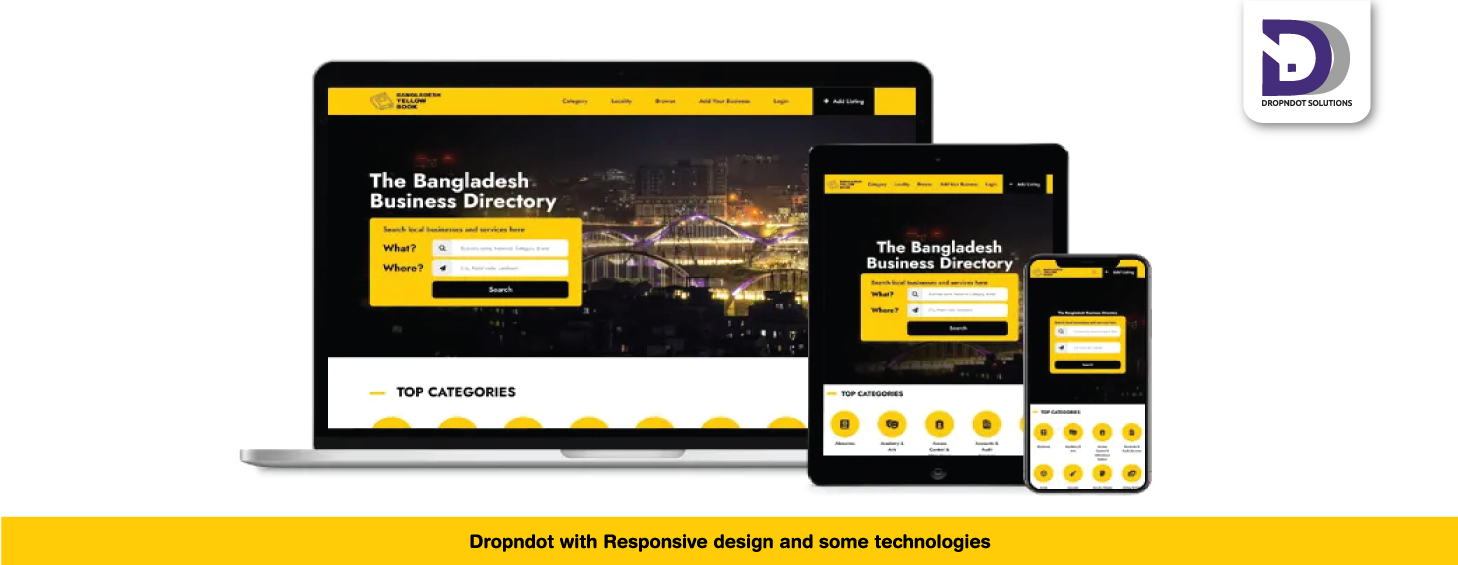
    Dropndot with Responsive design and some technologies

    2011 was very important for dropndot limited. In this year we have achieved many success as well lose some. It was the 2nd year with DD. We have learned some technology such as how to do responsive design, shopify and start working with html5, css3 etc. We are still learning the technique of html5 in different purpose.

    Now most of our clients want mobile version of a website. To providing mobile version of a website, responsive design helps us lots. Using this technique we can build a website for laptop, tablet or iphone with a single css and html file. During the design we have to keep in mind it should be a responsive design.

    Another technique, we are working, is microformat and I loved the words “Designed for humans first and machines second”. A microformat is a web-based approach to semantic markup which seeks to re-use existing HTML/XHTML tags to convey metadata and other attributes in web pages and other contexts that support (X)HTML, such as RSS. This approach allows software to process information intended for end-users automatically.

  • I love pixel perfection!

    I love pixel perfection!

    At dropndot we follow 4 basic steps for a full web project development:

    1. Sales
    2. Design
    3. Markup
    4. Development

    It’s a common practice for our Markup Engineers to make the markups pixel perfect according to the design and it’s like a challenge for us to keep the design as it is for all major browsers like firefox, chrome, safari, internet explorer etc. It’s a common practice for most of the PHP Developers to finish the development with some broken markups as sometime it’s really difficult to maintain the consistency for different versions of internet explorer. But it’s me and my team who care about pixel perfections in development phase. We do some special care about markup, code commenting, database normalization, naming convention and bug testing in development phase.

    So when we live a project, you hardly get a clue to say that it’s a broken site! Or if you really find something like this, you should think that, it was the design.

    Well, we also assure you about the timeline. The process we maintain not only guarantee the quality but also stick us to the time frame. Everyone here is a performer. So they work for their own good which brings out a successful something.

    Thanks for reading.

  • Few success stories

    Few success stories

    Wow! We have completed our.Net based CMS. Now we are providing .net based solution to our clients and increased our service line. This custom CMS has same features as our PHP based custom CMS and I am sure our client will love it for it’s user friendly features. Thanks to Jitu for his excellent work.

    (more…)
  • New Journey Started from DD

    New Journey Started from DD

    We are team of five people organized a new company one month ago. We have same vision and long experience on similar area. By this short time we have developed software, web application and design some websites. I would like to thank our colleges for their hard work, to our clients and well wishers who help us for starting a smooth journey.

    We are providing some services such as web design, web application development, Software interface design and development, and web solution using different open source software. We are planning to extend our product and service line. I hope we can extent our product line within few months.

    Thanks again to visit us.